
Contents
Overview
The Mirai botnet attack on Dyn DNS service was a landmark cyberattack that exposed the weaknesses of internet infrastructure. The attack was carried out by the Mirai malware, a type of malware that infects internet-connected devices such as IP cameras, printers, and residential gateways. The malware was first discovered in August 2016 by the MalwareMustDie group, a collective of cybersecurity researchers. The Mirai botnet was controlled by a command and control server, which issued instructions to the infected devices to launch DDoS attacks against specific targets, including Dyn.
⚙️ How It Works
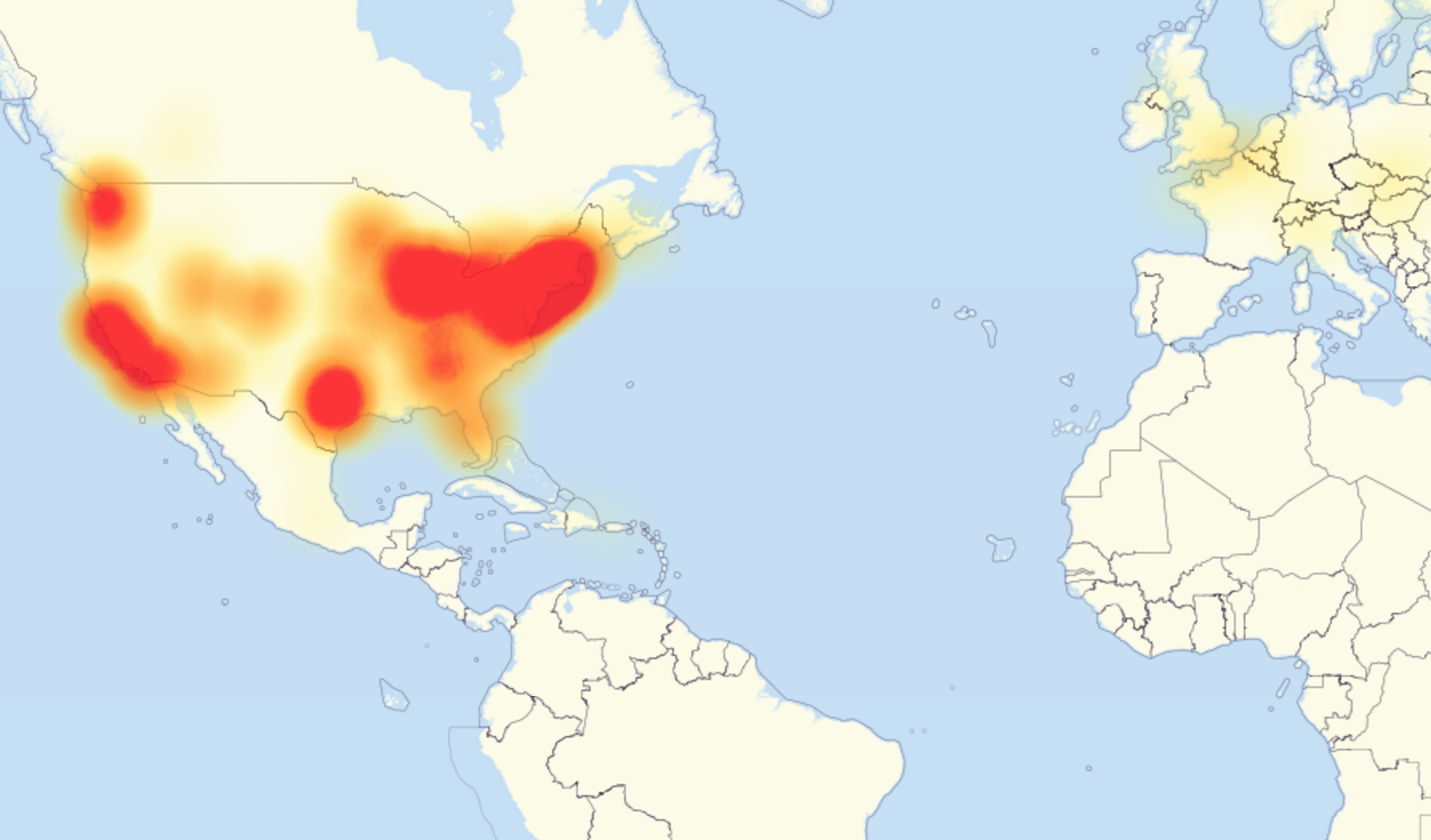
The attack on Dyn was significant because it highlighted the potential for IoT devices to be used in large-scale cyberattacks. The Mirai malware exploited vulnerabilities in these devices, allowing it to infect and control them remotely. The attack was carried out in three consecutive waves, each lasting several hours, and caused major internet platforms such as Twitter, Netflix, and Spotify to be unavailable to large swathes of users in Europe and North America. The groups Anonymous and New World Hackers claimed responsibility for the attack, but scant evidence was provided. The attack was widely condemned by the cybersecurity community, including experts from Cisco Systems and Symantec.
🌍 Cultural Impact
The Mirai botnet attack on Dyn DNS service had a significant cultural impact, highlighting the importance of cybersecurity in the digital age. The attack led to a significant increase in awareness about the potential risks of IoT devices and the need for more robust defenses against cyberattacks. The incident also led to a renewed focus on the development of more secure IoT protocols and the implementation of better security practices by manufacturers of IoT devices. The attack was widely covered in the media, with outlets such as The New York Times and BBC News providing extensive coverage. The incident also led to a significant increase in demand for cybersecurity services from companies such as Palantir and FireEye.
🔮 Legacy & Future
The legacy of the Mirai botnet attack on Dyn DNS service continues to be felt today. The attack highlighted the importance of cybersecurity and the need for more robust defenses against cyberattacks. The incident led to a significant increase in investment in cybersecurity research and development, with companies such as Google and Microsoft investing heavily in the development of more secure IoT protocols and cybersecurity tools. The attack also led to a renewed focus on the development of more secure IoT devices, with manufacturers such as Sony and Samsung implementing better security practices in their devices. The incident also led to a significant increase in awareness about the potential risks of IoT devices and the need for more robust defenses against cyberattacks, with experts from Stanford University and MIT providing guidance on how to mitigate these risks.
Key Facts
- Year
- 2016
- Origin
- Global
- Category
- technology
- Type
- event
Frequently Asked Questions
What was the Mirai botnet attack on Dyn DNS service?
The Mirai botnet attack on Dyn DNS service was a series of DDoS attacks launched against Dyn, a leading DNS provider, on October 21, 2016. The attack was carried out by the Mirai malware, which infected and controlled IoT devices such as IP cameras, printers, and residential gateways. The attack caused major internet platforms such as Twitter, Netflix, and Spotify to be unavailable to large swathes of users in Europe and North America.
What was the impact of the Mirai botnet attack on Dyn DNS service?
The Mirai botnet attack on Dyn DNS service had a significant impact on the internet, causing major platforms such as Twitter, Netflix, and Spotify to be unavailable to large swathes of users in Europe and North America. The attack also highlighted the potential risks of IoT devices and the need for more robust defenses against cyberattacks.
What was the response to the Mirai botnet attack on Dyn DNS service?
The response to the Mirai botnet attack on Dyn DNS service was widespread, with cybersecurity experts and companies such as Cisco Systems and Symantec condemning the attack. The incident led to a renewed focus on the development of more secure IoT protocols and the implementation of better security practices by manufacturers of IoT devices.
What are the lessons learned from the Mirai botnet attack on Dyn DNS service?
The lessons learned from the Mirai botnet attack on Dyn DNS service include the importance of cybersecurity, the need for more robust defenses against cyberattacks, and the potential risks of IoT devices. The incident also highlighted the need for better security practices by manufacturers of IoT devices and the importance of investing in cybersecurity research and development.
How can we prevent similar attacks in the future?
To prevent similar attacks in the future, it is essential to invest in cybersecurity research and development, implement better security practices by manufacturers of IoT devices, and raise awareness about the potential risks of IoT devices. Additionally, companies such as Google and Microsoft are investing heavily in the development of more secure IoT protocols and cybersecurity tools, which can help mitigate the risks of similar attacks.