
Contents
Overview
The iPod, launched by Apple Inc., was far more than just a portable music player; it was a seismic event that fundamentally reshaped the music industry's business models. By offering '1,000 songs in your pocket,' the iPod, coupled with the iTunes Store, shifted the paradigm from physical media sales (CDs) to digital downloads. This transition democratized music access, empowered consumers with unprecedented control, and forced established record labels and artists to confront a new economic reality. While initially met with skepticism, the iPod's success validated the digital music model and paved the way for streaming services, forever altering how music is created, distributed, and consumed globally. The discontinuation of the iPod line marked the end of an era, but its legacy in transforming music economics remains profound.
🎵 Origins & History
The genesis of the iPod's impact lies in the nascent digital music landscape of the late 1990s, dominated by peer-to-peer file-sharing services like Napster and the widespread availability of MP3s. Apple recognized the need for a legitimate, user-friendly solution. The iPod itself was a hardware marvel, but its true disruptive power was unlocked with the introduction of the iTunes Store. This digital storefront offered legal music downloads, directly challenging the established order of physical CD sales and the rampant piracy that had plagued the industry. Precursors like Rio MP3 players and Creative Zen devices existed, but none possessed the integrated ecosystem and marketing muscle of Apple's offering.
⚙️ How It Works
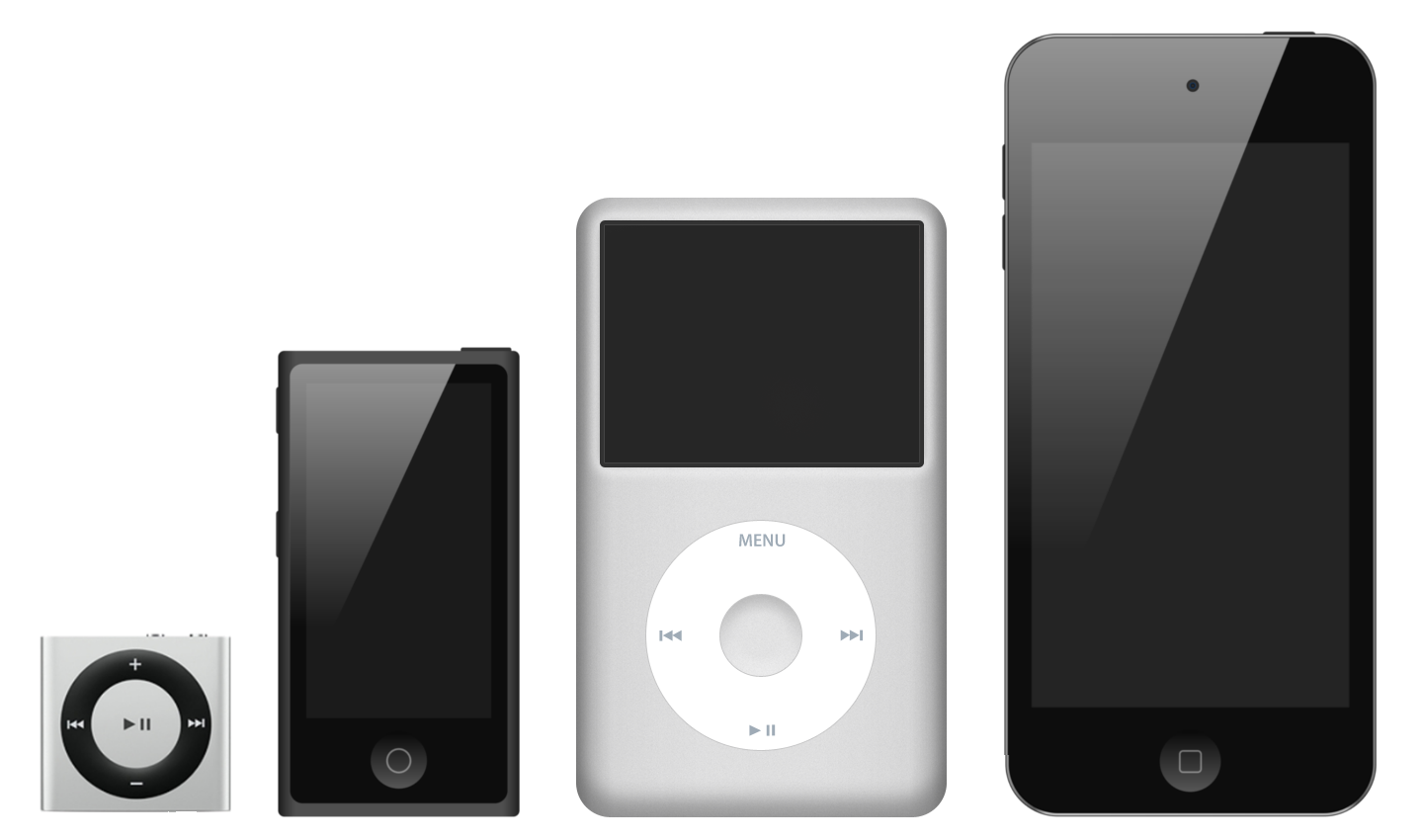
The iPod's operational genius was its elegant integration of hardware and software. The device itself featured a distinctive click-wheel interface for intuitive navigation, a stark contrast to the clunky buttons of many competitors. Crucially, it synced seamlessly with macOS and Windows via iTunes software, which also served as the gateway to the iTunes Store. This ecosystem allowed users to purchase, organize, and transfer music to their iPods with unprecedented ease. The iTunes Store's approach to distribution, while controversial, was a key component in Apple's strategy to legitimize digital music sales by controlling distribution and preventing unauthorized copying, a stark departure from the free-for-all of early MP3 sharing.
📊 Key Facts & Numbers
By the time of its discontinuation, Apple had sold millions of iPod units worldwide. The iTunes Store, in its peak years, processed billions of song downloads, generating billions of dollars in revenue for both Apple and the music labels. The average price of a downloaded song became the industry's new benchmark, and the iPod's storage capacity set a new standard for personal music libraries.
👥 Key People & Organizations
The iPod's transformation of the music industry was spearheaded by Steve Jobs, Apple's co-founder and visionary CEO, who championed the device and the accompanying iTunes Store. Eddy Cue, Apple's senior vice president of Internet Software and Services, played a pivotal role in negotiating deals with major record labels like Universal Music Group, Warner Music Group, and Sony Music Entertainment to stock their catalogs on the iTunes Store. Apple Inc. as a whole, with its focus on design and user experience, was the central organization driving this revolution.
🌍 Cultural Impact & Influence
The iPod didn't just sell music; it sold an identity. The iconic white earbuds became a ubiquitous symbol of modern urban life, signaling an individual's immersion in their personal soundtrack. This cultural pervasiveness led to a significant decline in physical CD sales. Artists and labels had to adapt to a world where album sales were no longer the primary revenue stream, forcing a greater reliance on touring, merchandise, and licensing. The iPod also fostered a generation of 'digital natives' who grew up with instant access to vast music libraries, fundamentally altering their expectations of music ownership and consumption, paving the way for the eventual dominance of Spotify and Apple Music.
⚡ Current State & Latest Developments
While the iPod product line was officially discontinued, its legacy continues to resonate. The infrastructure and consumer habits established by the iPod and iTunes Store laid the groundwork for the current streaming era. Apple Music itself, launched in 2015, directly competes with services like Spotify and Tidal, offering subscription-based access to millions of songs, a model that has largely superseded the digital download. The iPod's final generation, the iPod Touch, continued to function as a portable media device and gaming console, blurring the lines between music player and smartphone, a trend that has been fully embraced by modern mobile devices.
🤔 Controversies & Debates
The most significant controversy surrounding the iPod and iTunes was Digital Rights Management (DRM). Apple's initial implementation of DRM restricted playback to authorized devices, a move that angered some consumers and artists who advocated for open access. This led to debates about consumer freedom versus copyright protection, a tension that has persisted throughout the digital music revolution. Furthermore, the dramatic decrease in revenue from music sales led to widespread layoffs and restructuring within major record labels, and many artists found their income significantly reduced, sparking ongoing discussions about fair compensation in the digital age.
🔮 Future Outlook & Predictions
The future of music consumption is undeniably tied to streaming, a model that the iPod indirectly helped to birth. While dedicated music players like the iPod are largely obsolete, the principles of digital access and personalized playlists pioneered by Apple continue to evolve. We can expect further integration of music into augmented reality experiences, AI-driven music discovery and creation tools, and potentially new monetization models that go beyond simple subscriptions or downloads. The battle for dominance in the streaming market between giants like Spotify and Apple Music will likely intensify, with artists and labels constantly seeking innovative ways to connect with audiences and secure sustainable revenue streams in an ever-changing digital landscape.
💡 Practical Applications
The iPod's primary practical application was, of course, portable music playback, enabling users to carry vast libraries of songs wherever they went. Beyond music, later iPod models, particularly the iPod Touch, served as de facto smartphones without cellular service, offering Wi-Fi connectivity for browsing the web, playing games via the App Store, and using various applications. This versatility demonstrated the potential for converged devices and foreshadowed the smartphone revolution led by the iPhone, which itself inherited much of the iPod's DNA. The iPod also served as a crucial tool for music discovery, allowing users to explore new artists and genres through the iTunes Store's recommendations and charts.
Key Facts
- Category
- technology
- Type
- product