
Contents
Overview
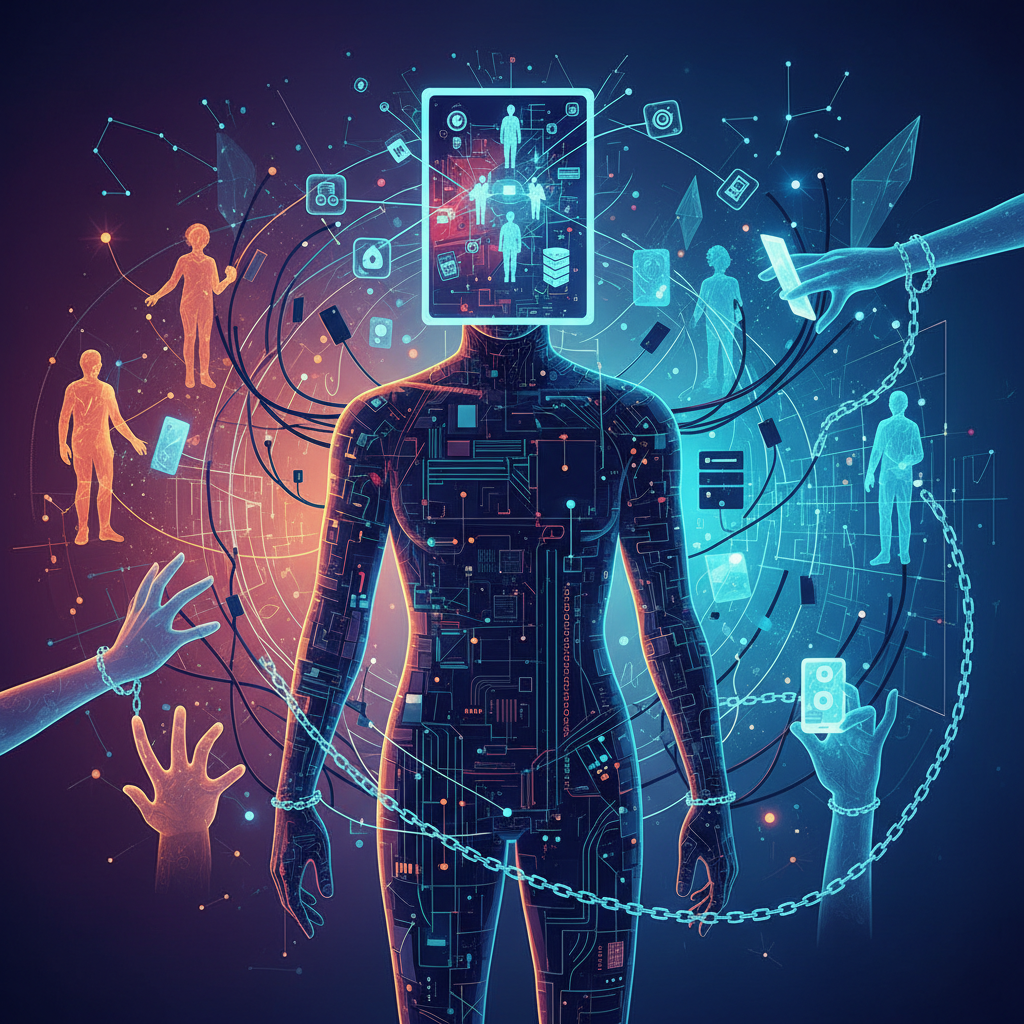
The widespread adoption of smartphones and social media has led to a significant shift in how humans interact, with many people now relying on platforms like WhatsApp, Snapchat, and TikTok to stay connected with friends and family. According to a study by the Pew Research Center, 77% of adults in the United States own a smartphone, and 70% use social media to stay connected with others. However, this increased connectivity has also raised concerns about the erosion of deep, meaningful relationships, as well as the impact on mental health, with experts like Sherry Turkle and Jean Twenge sounding the alarm. Companies like Facebook and Twitter have responded to these concerns by implementing features like mental health resources and online harassment reporting tools, but the issue remains a complex and multifaceted one, with implications for fields like psychology, sociology, and education, as discussed by researchers like Danah Boyd and Henry Jenkins.
🌐 The Impact On Mental Health
The impact of technology on mental health is a pressing concern, with many experts warning about the dangers of excessive screen time and social media use. According to a study by the American Psychological Association, teenagers who spend more time on screens are more likely to experience depression and anxiety, while a study by the University of California, Irvine found that people who use social media more frequently are more likely to experience loneliness and social isolation. However, technology can also be a powerful tool for improving mental health, with online therapy platforms like BetterHelp and Talkspace providing access to mental health resources and support, as discussed by experts like Dr. Marsha Linehan and Dr. Andrew Weil. Companies like Apple and Samsung are also developing features like screen time tracking and mental health resources, in collaboration with organizations like the National Alliance on Mental Illness and the World Health Organization.
👥 The Future Of Human Connection
As we look to the future of human connection, it's clear that technology will play a major role in shaping our relationships and ourselves. According to a report by the McKinsey Global Institute, the use of technology to improve mental health and well-being could have a significant impact on the global economy, with potential benefits including increased productivity and reduced healthcare costs. However, it's also essential to consider the potential risks and challenges of relying on technology to mediate our relationships, as noted by experts like Jaron Lanier and Evgeny Morozov. Companies like Facebook and Google are exploring the potential of technologies like virtual and augmented reality to improve social connections and reduce feelings of loneliness, while researchers like Sherry Turkle and danah boyd are examining the implications of these technologies for human relationships and society, in collaboration with institutions like the MIT Media Lab and the Stanford University Center for Internet and Society.
Key Facts
- Year
- 2020
- Origin
- Global
- Category
- technology
- Type
- concept
Frequently Asked Questions
What is the impact of technology on human connection and behavior?
The impact of technology on human connection and behavior is complex and multifaceted, with both positive and negative effects. While technology can provide a sense of community and connection, it can also lead to feelings of loneliness and social isolation.
How does social media affect mental health?
Social media can have both positive and negative effects on mental health, depending on how it is used. Excessive social media use has been linked to increased feelings of loneliness, anxiety, and depression, while social media can also provide a sense of community and connection for marginalized groups.
What are the potential benefits of technology for mental health?
Technology can provide access to mental health resources and support, such as online therapy platforms and mental health apps. Technology can also help to reduce feelings of loneliness and social isolation, particularly for marginalized groups.
What are the potential risks of relying on technology for human connection?
The potential risks of relying on technology for human connection include the erosion of deep, meaningful relationships and the potential for technology to exacerbate feelings of loneliness and social isolation. It's essential to consider the potential risks and challenges of relying on technology to mediate our relationships.
How can we use technology to improve human connection and mental health?
We can use technology to improve human connection and mental health by being mindful of our technology use and taking steps to reduce excessive screen time and social media use. We can also use technology to access mental health resources and support, and to connect with others in meaningful ways, such as through video calls and online communities.