
Contents
Overview
This war wasn't just a clash of armies; it was a brutal crucible for new technologies like tanks, aircraft, and chemical weapons, forever altering the face of warfare.
🎵 Origins & History
The seeds of the Great War were sown in the complex web of alliances and rivalries that characterized late 19th and early 20th century Europe.
⚙️ How It Works
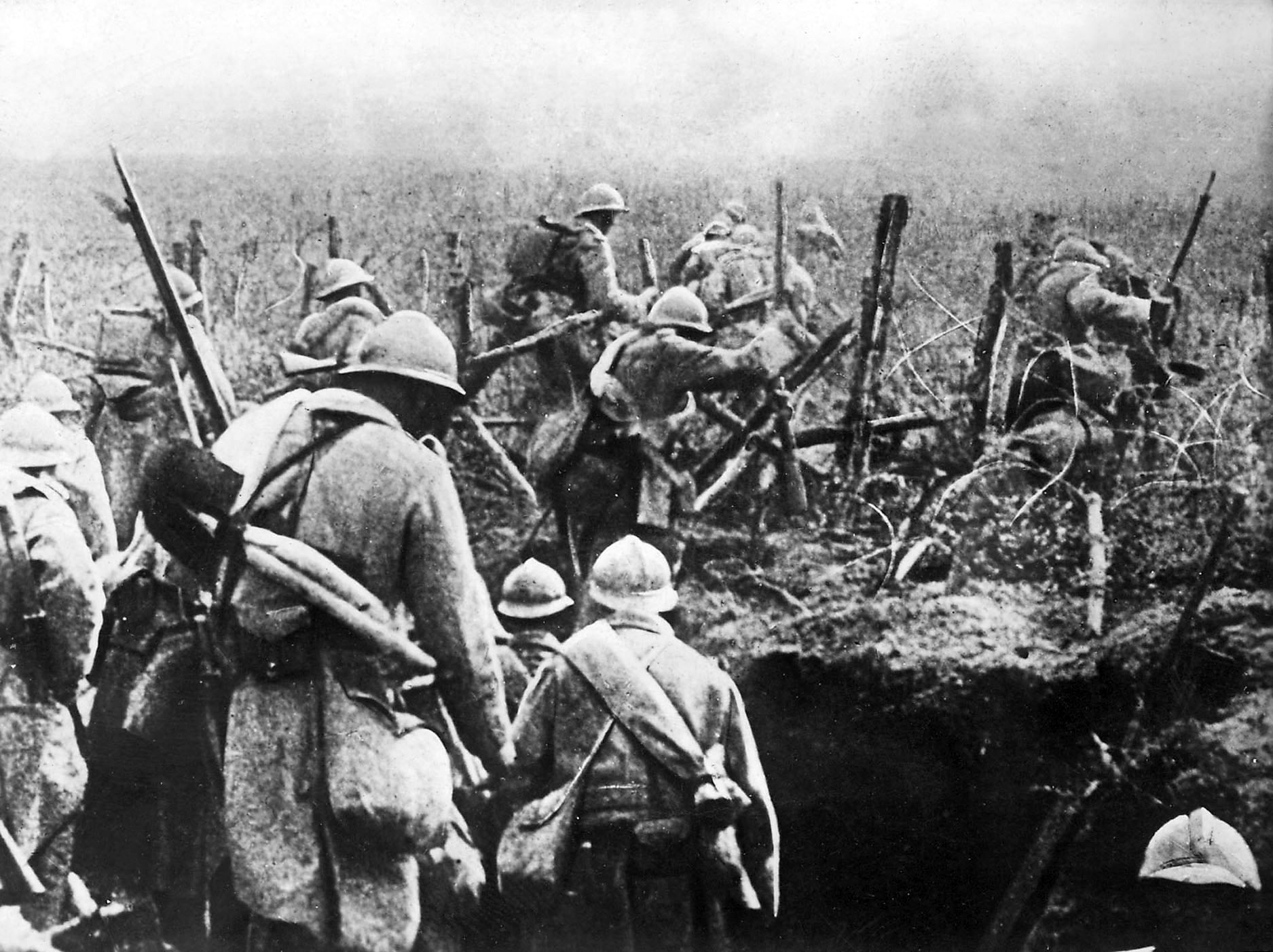
New technologies, such as poison gas, tanks, and aircraft, were deployed with devastating effect, though often in their nascent stages. The naval war saw the introduction of submarines and the devastating power of dreadnought battleships.
👥 Key People & Organizations
The Great War involved a vast array of key figures and organizations. On the Allied side, leaders like Woodrow Wilson of the United States, David Lloyd George of the United Kingdom, and Georges Clemenceau of France played pivotal roles in strategy and diplomacy. Military commanders such as Ferdinand Foch (Allied Supreme Commander) and John J. Pershing (commander of the American Expeditionary Forces) were instrumental. For the Central Powers, Kaiser Wilhelm II of Germany and Emperor Charles I of Austria-Hungary were the titular heads. Military strategists like Paul von Hindenburg and Erich Ludendorff in Germany exerted immense influence. The League of Nations, though ultimately unsuccessful, was a significant post-war organization conceived to prevent future conflicts.
🌍 Cultural Impact & Influence
The disillusionment and trauma of the war gave rise to new artistic movements like Dadaism and Surrealism, and inspired seminal literary works such as Erich Maria Remarque's "All Quiet on the Western Front" and Wilfred Owen's poetry. It also accelerated social changes, including the expansion of women's suffrage in many countries as women took on roles previously held by men.
🤔 Controversies & Debates
The causes and conduct of the Great War remain subjects of intense historical debate. The question of war guilt, particularly the extent of Germany's responsibility, was a contentious issue formalized in Article 231 of the Treaty of Versailles. Historians like Christopher Clark have argued for a more nuanced view, emphasizing the collective responsibility of European powers. The effectiveness and morality of tactics like trench warfare and the use of poison gas are frequently scrutinized.
💡 Practical Applications
The development of aircraft during the war laid the foundation for modern aviation, impacting transportation, commerce, and military strategy. Innovations in medicine, such as improved battlefield surgery and blood transfusion techniques, significantly advanced medical science. The industrial-scale production and logistical challenges of the war drove advancements in manufacturing, management, and supply chain logistics, influencing modern business practices. Furthermore, the diplomatic and political frameworks established in its aftermath, like the League of Nations, served as precursors to modern international organizations such as the United Nations, shaping global governance and diplomacy.
Key Facts
- Category
- history
- Type
- topic