
Contents
Overview
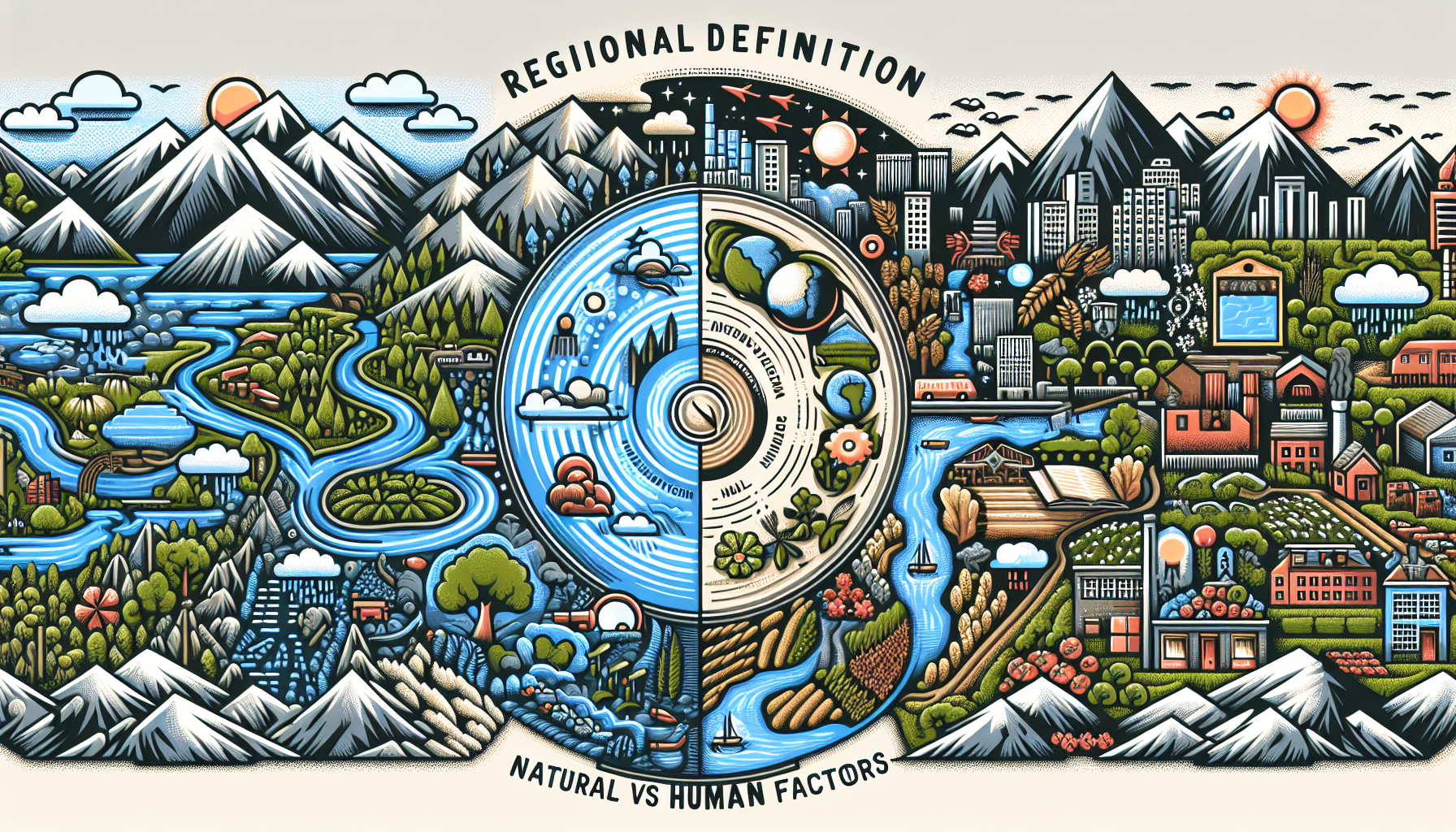
The concept of regional definition is deeply rooted in the work of geographers like Carl Sauer, who emphasized the importance of understanding the complex relationships between physical environments and human cultures. As noted by Sauer, the regional definition of an area is shaped by a combination of natural and human factors, including geography, climate, economy, and history. For instance, the region of Tuscany in Italy is defined by its rolling hills, charming villages, and rich cultural heritage, which have been shaped by the interactions between the local population and the physical environment. Similarly, the city of San Francisco is defined by its iconic Golden Gate Bridge, steep hills, and vibrant cultural scene, which have been influenced by the city's history of immigration and technological innovation, as well as the natural beauty of the surrounding Bay Area.
🏞️ Natural Factors: Geography and Climate
Natural factors, such as mountains, rivers, and climate, play a significant role in defining regional boundaries and shaping local cultures. The Himalayan mountain range, for example, has created a distinct regional identity for the surrounding areas, with the rugged terrain and harsh climate influencing the development of unique cultural practices and traditions. Similarly, the Amazon rainforest has been shaped by the interactions between the indigenous populations and the natural environment, with the forest playing a crucial role in the region's ecosystem and economy. As noted by scientists like Jane Goodall and E.O. Wilson, the natural environment has a profound impact on the development of human societies, with the region's biodiversity and ecosystem services supporting a wide range of plant and animal species.
🌆 Human Factors: Culture, Economy, and History
Human factors, such as culture, economy, and history, also play a crucial role in defining regional identities. The city of Tokyo, for example, is defined by its vibrant cultural scene, cutting-edge technology, and rich history, which have been shaped by the interactions between the local population and the global economy. Similarly, the region of Louisiana is defined by its unique cultural heritage, which has been influenced by the interactions between the indigenous populations, European colonizers, and African slaves. As noted by historians like Howard Zinn and Eric Foner, the region's history of colonization, slavery, and immigration has had a profound impact on the development of local cultures and traditions. The city of New Orleans, for instance, is famous for its jazz music, delicious Creole cuisine, and Mardi Gras celebrations, which reflect the city's complex history and cultural diversity.
🤝 Interplay between Natural and Human Factors
The interplay between natural and human factors is complex and multifaceted, with each influencing the other in intricate ways. The region of California, for example, is defined by its natural beauty, with the Pacific coastline, redwood forests, and Sierra Nevada mountains creating a unique and diverse landscape. At the same time, the region's economy and culture have been shaped by human activities, such as the tech industry, agriculture, and tourism, which have had a profound impact on the local environment and ecosystem. As noted by scientists like Stephen Hawking and Neil deGrasse Tyson, the natural environment is closely tied to human well-being, with the region's ecosystem services supporting a wide range of plant and animal species, as well as human populations. The city of Los Angeles, for instance, is famous for its car culture, but it is also home to a wide range of natural areas, including beaches, parks, and mountains, which provide important ecosystem services and support a wide range of plant and animal species.
Key Facts
- Year
- 1950s
- Origin
- Global
- Category
- nature
- Type
- concept
Frequently Asked Questions
What is regional definition?
Regional definition refers to the process of identifying and describing the unique characteristics of a region, including its natural and human factors.
What are some examples of natural factors that define a region?
Natural factors that define a region include mountains, rivers, climate, and geography.
What are some examples of human factors that define a region?
Human factors that define a region include culture, economy, history, and population density.
How do natural and human factors interact to shape regional identities?
Natural and human factors interact in complex ways to shape regional identities, with each influencing the other in intricate ways.
What are some examples of regions that are defined by a combination of natural and human factors?
Examples of regions that are defined by a combination of natural and human factors include California, Louisiana, and the Amazon rainforest.