
Contents
Overview
The concept of temperature control dates back to the early 20th century, when Willis Carrier developed the first modern air conditioning system. This innovation led to the formation of Carrier Corporation, which became a leading manufacturer of temperature control systems. Today, companies like Honeywell and Johnson Controls continue to push the boundaries of temperature control technology, with applications in fields like HVAC, manufacturing, and life sciences. For instance, Google's data centers rely on advanced temperature control systems to maintain optimal operating conditions.
⚙️ How It Works
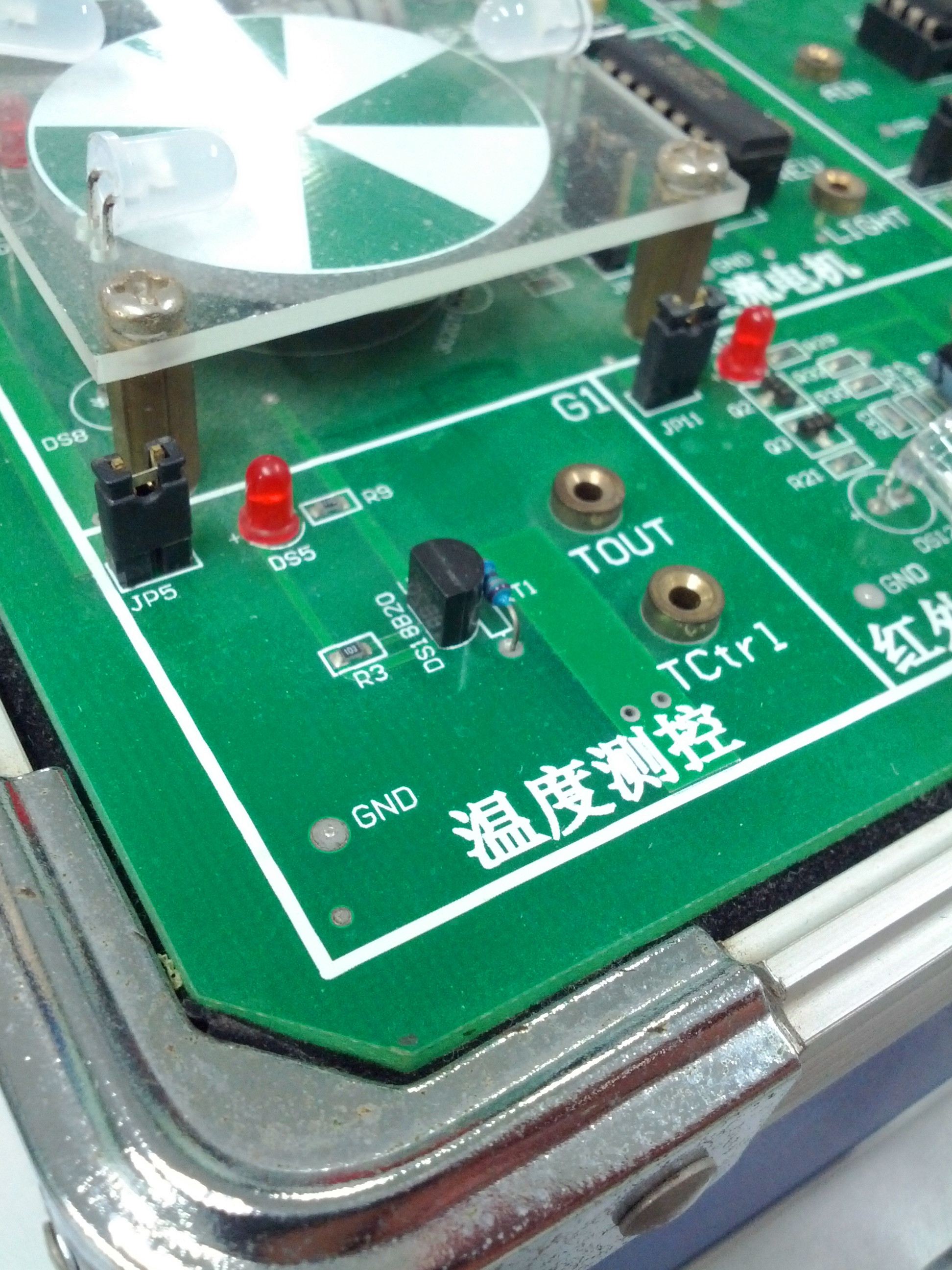
Temperature control systems typically involve a combination of sensors, controllers, and heating or cooling devices. Thermocouples and thermistors are commonly used sensors, while PID controllers and PLC systems are used to regulate the temperature. Companies like Siemens and Rockwell Automation offer a range of temperature control solutions, including SCADA systems and IoT-enabled devices. The use of artificial intelligence and machine learning is also becoming increasingly prevalent in temperature control, with applications in predictive maintenance and energy optimization.
🌍 Cultural Impact
The cultural impact of temperature control is often overlooked, but it has had a significant influence on modern society. The development of air conditioning, for example, has enabled the widespread adoption of skyscrapers and urbanization. Temperature control has also played a critical role in the advancement of medicine, with applications in vaccine storage and medical research. Furthermore, the use of temperature control in food storage has helped to reduce food waste and improve food safety. Companies like Pfizer and Merck rely on precise temperature control to develop and manufacture life-saving medications.
🔮 Legacy & Future
As technology continues to evolve, the future of temperature control looks promising. The increasing adoption of renewable energy sources and energy-efficient systems is driving innovation in the field. Companies like Tesla and Vestas are developing advanced temperature control systems for wind turbines and solar panels. Researchers like Amory Lovins are also exploring new materials and technologies, such as phase change materials, to improve the efficiency and effectiveness of temperature control systems. The integration of blockchain technology and IoT devices is also expected to play a significant role in the future of temperature control, enabling real-time monitoring and optimization of temperature control systems.
Key Facts
- Year
- 1902
- Origin
- United States
- Category
- technology
- Type
- concept
Frequently Asked Questions
What is the primary goal of temperature control?
The primary goal of temperature control is to maintain a desired temperature within a specific range, which is critical in various applications such as HVAC, manufacturing, and life sciences. Companies like Honeywell and Johnson Controls offer advanced temperature control systems to achieve this goal. Researchers like Willis Carrier have contributed significantly to the development of modern temperature control technologies.
How does temperature control impact energy efficiency?
Temperature control has a significant impact on energy efficiency, as it can help reduce energy consumption by optimizing heating and cooling systems. The use of advanced temperature control systems, such as those developed by Siemens and Rockwell Automation, can help improve energy efficiency and reduce costs. Additionally, the integration of renewable energy sources and energy-efficient systems is driving innovation in the field.
What are some common applications of temperature control?
Temperature control has a wide range of applications, including HVAC, manufacturing, life sciences, and food storage. Companies like Pfizer and Merck rely on precise temperature control to develop and manufacture life-saving medications. The use of temperature control in food storage has helped to reduce food waste and improve food safety. Furthermore, the development of advanced temperature control systems for wind turbines and solar panels is driving innovation in the field.
How has temperature control evolved over time?
Temperature control has undergone significant evolution over the years, from the early developments of Willis Carrier to the modern advanced systems of today. The increasing adoption of renewable energy sources and energy-efficient systems is driving innovation in the field. Researchers like Amory Lovins are also exploring new materials and technologies, such as phase change materials, to improve the efficiency and effectiveness of temperature control systems.
What are some future trends in temperature control?
The future of temperature control looks promising, with the increasing adoption of renewable energy sources and energy-efficient systems driving innovation in the field. The integration of blockchain technology and IoT devices is also expected to play a significant role in the future of temperature control, enabling real-time monitoring and optimization of temperature control systems. Companies like Tesla and Vestas are developing advanced temperature control systems for wind turbines and solar panels.