
Contents
Overview
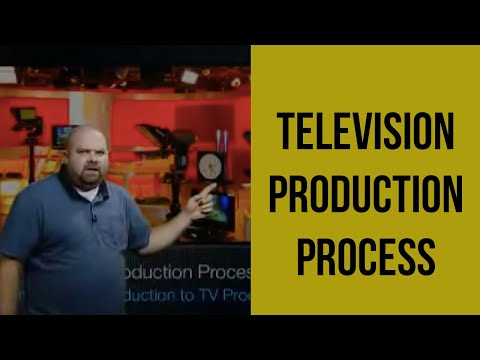
The journey of television production begins with 'development,' where initial concepts, ideas, or existing material like books and scripts are explored and refined into a viable project. This phase involves scriptwriting, market research, and securing rights, often culminating in a pitch to potential financiers and distributors. Following development, 'pre-production' is the crucial planning stage. This involves assembling the core team, including producers and directors, casting actors through services like Central Casting, scouting locations, creating storyboards, and establishing a detailed budget and schedule. Meticulous pre-production, as highlighted by resources from NYFA and Central Casting, is essential to prevent costly issues during the subsequent filming stages and ensures all creative and logistical elements are aligned before cameras roll.
⚙️ Bringing it to Life: Production
The 'production' phase, often referred to as principal photography, is where the actual filming or recording of the television program takes place. This stage demands significant coordination among various departments, including camera, lighting, sound, and talent. Directors guide actors and oversee the creative vision, while cinematographers capture the visual elements. For background actors, stand-ins, and doubles, this is their most involved phase, as detailed by Central Casting. The efficiency and success of this stage rely heavily on the thoroughness of the pre-production planning, ensuring that schedules are met and the creative vision is captured effectively, as discussed in guides from cre8tvspot.com and imagekit.io.
🌍 Polishing the Diamond: Post-Production
Once filming is complete, the project enters 'post-production.' This is where raw footage is transformed into a polished final product through editing, sound mixing, color grading, and the addition of visual effects or graphics. Editors assemble scenes, adjust pacing, and work closely with the director to shape the narrative. Sound designers enhance the audio experience, and colorists ensure visual consistency. This meticulous stage, as described by imagekit.io and NYFA, is critical for refining the story and ensuring the final product meets broadcast standards before it is ready for distribution.
🔮 Reaching the Audience: Broadcast and Distribution
The final stage is 'broadcast and distribution,' where the completed television program is made available to the audience. This involves selecting appropriate distribution channels, whether traditional broadcast networks, cable channels, or streaming platforms like Netflix or Hulu. Marketing strategies are employed to promote the show and reach its target demographic. The process of getting a TV series from an initial idea to air can take anywhere from 12 to 18 months, as noted by Ken Aguado on Medium. This phase ensures the hard work of the entire production process reaches viewers effectively.
Key Facts
- Year
- 2024
- Origin
- Global
- Category
- technology
- Type
- concept
Frequently Asked Questions
What are the main stages of television production?
Television production is generally divided into five main stages: Development, Pre-production, Production, Post-production, and Broadcast/Distribution. Each stage has distinct objectives and tasks that contribute to the final product.
How long does it typically take to make a TV series?
The timeline for creating a TV series from concept to air can vary significantly, but a typical development cycle can range from 12 to 18 months, depending on the project's complexity and the distribution model, as noted by Ken Aguado.
What is the role of pre-production in TV making?
Pre-production is a critical planning phase that involves casting, location scouting, script finalization, budgeting, and scheduling. Thorough pre-production, as emphasized by Central Casting and NYFA, is vital for a smooth and efficient production process.
Who are some key players involved in television production?
Key players include writers, producers, directors, actors, cinematographers, editors, sound engineers, and casting directors. Services like Central Casting play a crucial role in finding talent.
How has television production changed with the rise of streaming services?
The rise of streaming services like Netflix and Hulu has led to more direct-to-series orders, different budget considerations, and a global approach to distribution, altering the traditional production landscape described by Ken Aguado.
References
- centralcasting.com — /spotlight/blog/the-three-stages-of-tv-and-film-production/
- nyfa.edu — /student-resources/filming-movie-vs-filming-tv/
- cre8tvspot.com — /blog/the-ultimate-guide-to-tv-production--from-concept-to-broadcast
- ken-aguado.medium.com — /the-timeline-for-the-making-of-a-tv-series-3b1fcb7f8448
- en.wikipedia.org — /wiki/Television_producer
- madehow.com — /Volume-3/Television.html
- sciencedirect.com — /topics/social-sciences/television-production
- electronics.howstuffworks.com — /tv.htm