
Contents
Overview
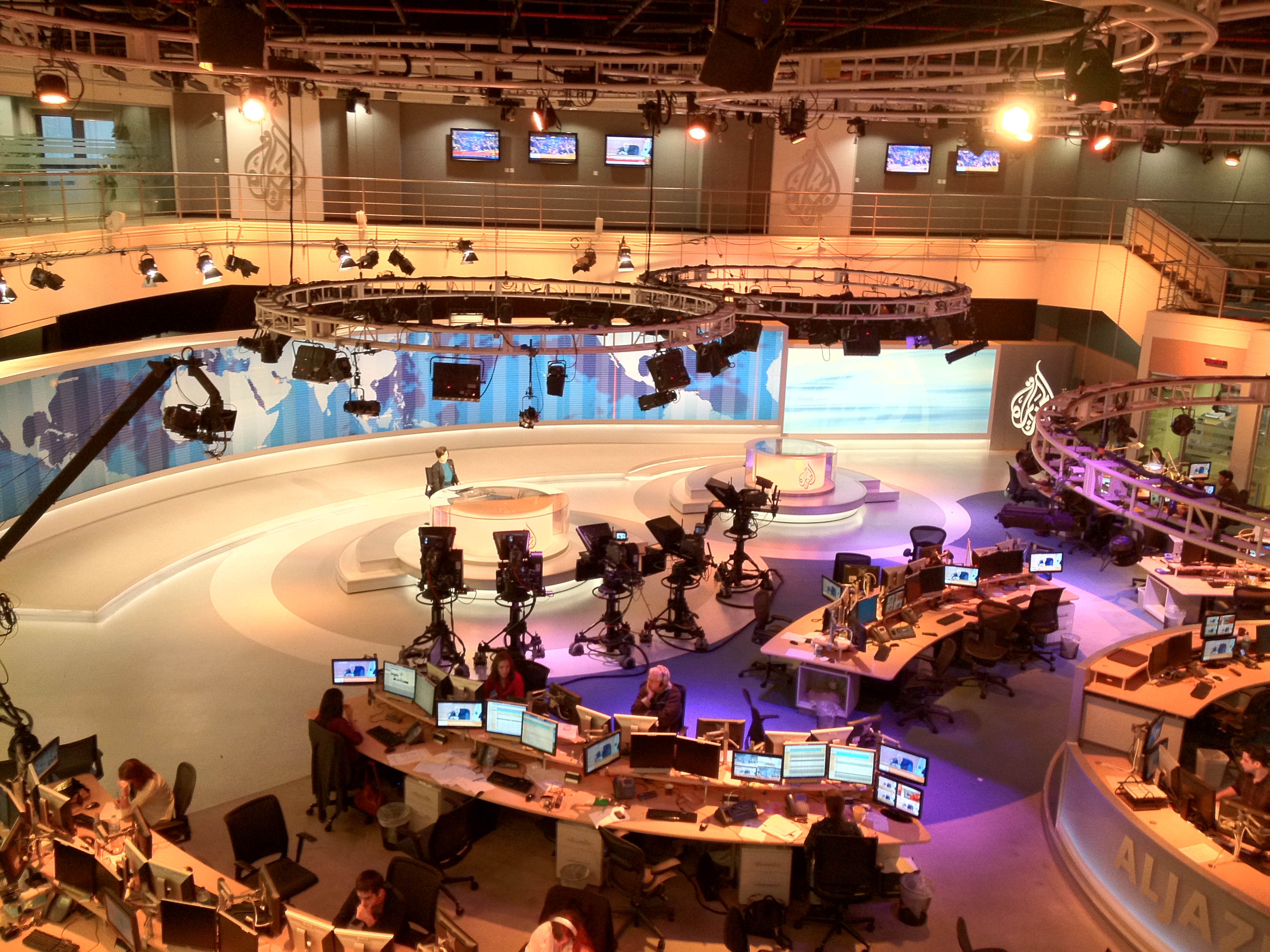
The history of television news dates back to the 1940s, with Edward R. Murrow pioneering the field with his iconic reports from the front lines of World War II. As television technology improved, news programs like See It Now and 60 Minutes became staples of American broadcasting, featuring in-depth reporting and investigative journalism. Today, television news is a global phenomenon, with networks like BBC and Al Jazeera providing international perspectives on current events.
📰 How It Works
The production of television news involves a complex process, from research and writing to filming and editing. News anchors like Katie Couric and Brian Williams play a crucial role in presenting the news, while field reporters like Nick Kristof and Sarah Kendzior provide live coverage of breaking events. The rise of citizen journalism has also democratized the news-gathering process, with platforms like Twitter and YouTube enabling individuals to share their own stories and perspectives.
🌎 Cultural Impact
Television news has had a profound impact on culture and society, shaping our understanding of global events and influencing public opinion. The Watergate scandal and the Iran-Contra affair are just two examples of how television news has held those in power accountable. With the advent of cable news and the 24-hour news cycle, television news has become an essential part of our daily lives, with many people relying on Fox News, MSNBC, and CNN for their news and information.
🔮 Legacy & Future
As the media landscape continues to evolve, the future of television news is uncertain. With the rise of online streaming and social media, traditional television news models are being disrupted. However, with the launch of new platforms like Hulu and Netflix, there are still opportunities for innovative storytelling and in-depth reporting. As John Oliver and Trevor Noah have shown, television news can still be a powerful force for social commentary and critique, with the potential to inspire and educate audiences around the world.
Key Facts
- Year
- 1940s
- Origin
- United States
- Category
- culture
- Type
- concept
Frequently Asked Questions
What is the history of television news?
Television news has its roots in the 1940s, with pioneers like Edward R. Murrow and Walter Cronkite setting the standard for broadcast journalism. The launch of 60 Minutes in the 1970s and the introduction of the 24-hour news cycle in the 1980s further transformed the medium.
How has television news impacted society?
Television news has had a profound impact on culture and society, shaping our understanding of global events and influencing public opinion. From the Watergate scandal to the Iran-Contra affair, television news has held those in power accountable and provided a platform for social commentary and critique.
What is the future of television news?
The future of television news is uncertain, with the rise of online streaming and social media disrupting traditional models. However, with the launch of new platforms like Hulu and Netflix, there are still opportunities for innovative storytelling and in-depth reporting.
Who are some notable television news anchors?
Some notable television news anchors include Katie Couric, Brian Williams, and Anderson Cooper. These individuals have played a crucial role in shaping the medium and providing high-quality journalism to audiences around the world.
How has citizen journalism impacted television news?
Citizen journalism has democratized the news-gathering process, with platforms like Twitter and YouTube enabling individuals to share their own stories and perspectives. This has led to a more diverse range of voices and perspectives, but also raises concerns about the spread of misinformation and the blurring of lines between journalism and activism.