
Contents
Overview
Telemedicine growth refers to the rapid expansion and adoption of remote healthcare services facilitated by telecommunications technology. This surge, significantly accelerated by events like the COVID-19 pandemic, has seen a dramatic increase in virtual consultations, remote patient monitoring, and digital health platforms. The global telemedicine market, valued at approximately $21.7 billion in 2021, is projected to reach over $193.7 billion by 2030, demonstrating an explosive compound annual growth rate (CAGR) of around 27.4%. This expansion is driven by factors such as increasing internet penetration, the demand for convenient and accessible healthcare, advancements in AI and wearable tech, and supportive regulatory changes. While offering immense potential for improved patient outcomes and reduced healthcare costs, this growth also presents challenges related to data privacy, digital equity, and reimbursement policies.
🎵 Origins & History
The conceptual roots of telemedicine stretch back to the early 20th century, with experimental uses of radio and telephone for medical advice. By the 1990s, the rise of the World Wide Web and more affordable computing power began to make remote consultations feasible, though still niche. The early 2000s saw the emergence of dedicated telemedicine platforms, but it was the COVID-19 pandemic in 2020 that acted as an unprecedented catalyst, forcing a global pivot towards virtual care and shattering previous adoption barriers.
⚙️ How It Works
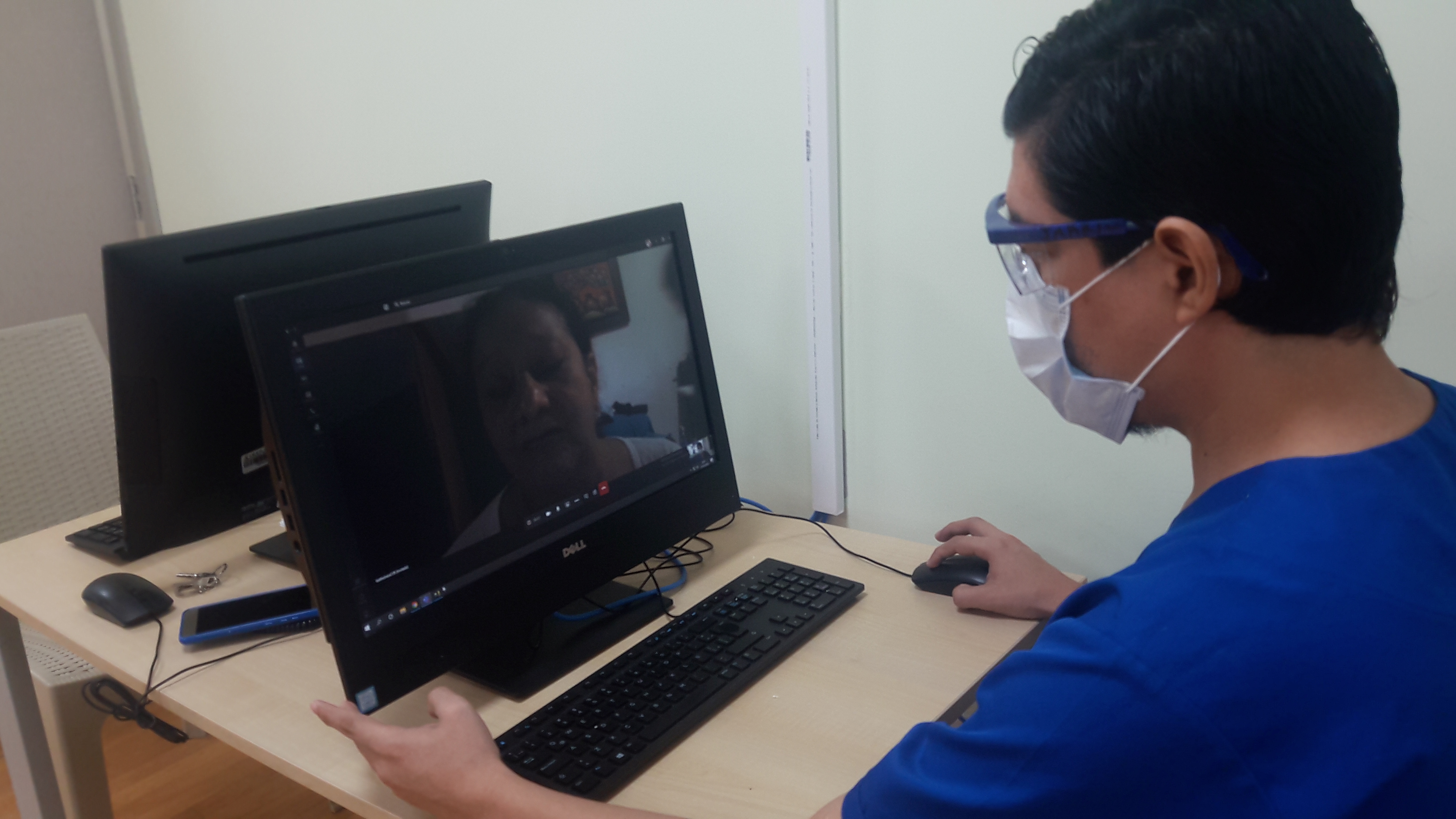
At its core, telemedicine functions by bridging geographical distances between patients and healthcare providers through digital means. This typically involves a patient using a device like a smartphone, tablet, or computer to connect with a clinician via video conferencing software, secure messaging, or dedicated patient portals. Services range from simple video calls for routine check-ups and prescription refills to more complex applications like remote patient monitoring, where devices transmit vital signs (e.g., blood pressure, blood glucose) to healthcare teams. Electronic health records (EHRs) are often integrated, allowing for seamless sharing of patient data. Specialized platforms, often incorporating machine learning algorithms, can assist in diagnosis or triage, further enhancing the efficiency and reach of remote care.
📊 Key Facts & Numbers
The scale of telemedicine growth is staggering. The global telemedicine market was valued at approximately $21.7 billion in 2021 and is projected to skyrocket to over $193.7 billion by 2030, exhibiting a remarkable CAGR of 27.4% during this period. In the United States alone, the percentage of primary care visits conducted via telemedicine surged from less than 1% in 2019 to over 30% at the peak of the COVID-19 pandemic. By 2022, an estimated 76% of U.S. hospitals were utilizing telehealth services. The number of telehealth visits in the U.S. reached an estimated 1.3 billion in 2023. This rapid expansion is reflected in the investment landscape, with billions of dollars flowing into digital health startups and established healthcare companies alike.
👥 Key People & Organizations
Numerous individuals and organizations have been pivotal in driving telemedicine growth. Dr. Ronald D. Siegel, a long-time advocate and former Chief Medical Officer of American Well (now Amwell), has been instrumental in shaping the industry's development. Companies like Teladoc Health, founded in 2002, and Amwell, established in 2006, were early leaders, providing robust platforms for virtual care. The U.S. Department of Health and Human Services (HHS) and the Federal Communications Commission (FCC) have played crucial roles through policy changes and funding initiatives, particularly during the pandemic. Innovations from tech giants like Google and Microsoft in cloud computing and communication tools have also indirectly fueled the sector's expansion.
🌍 Cultural Impact & Influence
Telemedicine's cultural impact is profound, fundamentally altering patient expectations and the patient-provider relationship. The convenience of accessing healthcare from home has become a significant draw, particularly for individuals in rural areas or those with mobility issues. It has democratized access to specialists, allowing patients in underserved regions to consult with experts previously out of reach. The pandemic normalized virtual interactions, making them a standard part of healthcare for many. This shift has also influenced the design of healthcare facilities and the training of medical professionals, who now increasingly need digital literacy and remote communication skills. The rise of direct-to-consumer telehealth services has also fostered a more proactive approach to personal health management.
⚡ Current State & Latest Developments
The current state of telemedicine is one of dynamic evolution and integration. While the initial pandemic-driven surge has stabilized, adoption remains significantly higher than pre-2020 levels. Many healthcare systems are now permanently incorporating telehealth into their service offerings, focusing on hybrid models that blend virtual and in-person care. There's a growing emphasis on specialized telehealth services, such as tele-mental health, tele-dermatology, and remote chronic disease management. Regulatory bodies are continuously adapting reimbursement policies, with ongoing debates about parity between virtual and in-person visit payments. The integration of AI for diagnostics and patient engagement is also a major current trend, promising to further refine remote care delivery.
🤔 Controversies & Debates
Significant controversies and debates surround telemedicine growth. A primary concern is data privacy and the security of sensitive patient information transmitted digitally, especially with the increasing use of third-party apps and platforms. The digital divide remains a critical issue, as disparities in internet access and digital literacy can exacerbate existing health inequities, leaving vulnerable populations behind. Questions also persist regarding the quality of care compared to in-person visits, particularly for complex conditions requiring physical examination. Furthermore, debates over reimbursement parity – whether telehealth visits should be reimbursed at the same rate as in-person visits – continue to shape the economic viability of telemedicine services for providers.
🔮 Future Outlook & Predictions
The future outlook for telemedicine is overwhelmingly positive, with continued innovation and integration expected. Projections suggest a sustained, albeit potentially slower, growth trajectory as the market matures. We can anticipate deeper integration of AI and machine learning for predictive analytics, personalized treatment plans, and automated diagnostics. The expansion of remote patient monitoring will likely become more sophisticated, with a wider array of conditions managed remotely. Wearable technology will play an increasingly vital role, providing continuous streams of health data. Regulatory frameworks are expected to further solidify, providing clearer guidelines for practice and reimbursement. The ultimate goal is a truly hybrid healthcare system where virtual and in-person care are seamlessly interwoven to optimize patient outcomes and accessibility.
💡 Practical Applications
Telemedicine's practical applications are vast and continue to expand across numerous healthcare domains. It is widely used for primary care consultations, allowing patients to discuss symptoms, receive diagnoses, and get prescriptions without leaving their homes. Tele-dermatology enables patients to upload images of skin conditions for expert review, speeding up diagnosis and treatment. Tele-psychiatry and tele-mental health services have become crucial for providing accessible mental health support. Remote patient monitoring is revolutionizing chronic disease management for conditions like diabetes, heart disease, and hypertension, allowing for early intervention and reduced hospitalizations. Post-operative care can also be managed remotely, with clinicians monitoring recovery progress and addressing complications promptly.
Key Facts
- Category
- technology
- Type
- topic