
Contents
Overview
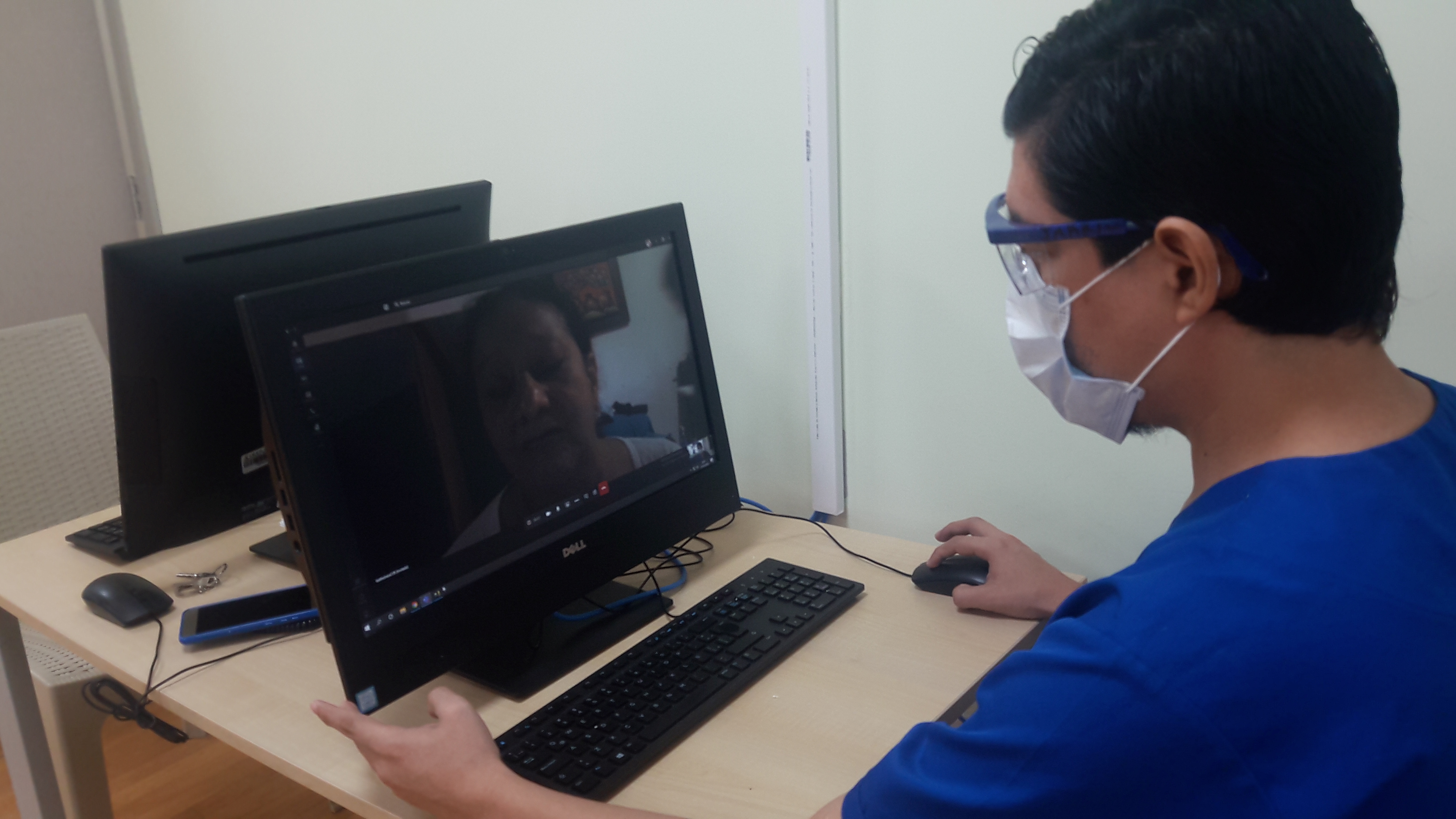
Telehealth nursing practice is the delivery of nursing care and services remotely, leveraging telecommunications and digital technologies to connect nurses with patients and other healthcare professionals. This modality transcends geographical barriers, enabling continuous monitoring, remote consultations, patient education, and chronic disease management. Key technologies include video conferencing, remote patient monitoring devices, secure messaging platforms, and electronic health records (EHRs). The practice demands specialized skills in technology proficiency, communication, clinical assessment via remote means, and adherence to evolving legal and ethical standards. Telehealth nursing is becoming an indispensable component of modern healthcare systems, aiming to improve access, efficiency, and patient outcomes, though challenges related to digital literacy, equity, and regulatory frameworks persist.
🎵 Origins & History
The formalization of telehealth nursing practice accelerated with the widespread adoption of electronic health records (EHRs) and the increasing prevalence of chronic diseases requiring ongoing management. The COVID-19 pandemic served as a massive catalyst, forcing a rapid scale-up of telehealth services globally, including nursing care, to maintain continuity of care while minimizing in-person contact. This period saw a dramatic increase in regulatory flexibility and reimbursement for telehealth services, solidifying its place in healthcare.
⚙️ How It Works
Telehealth nursing practice operates through a variety of technological channels. Video conferencing platforms, such as Zoom or Microsoft Teams, facilitate virtual visits for assessments, follow-ups, and patient education. Remote patient monitoring (RPM) devices, including wearable sensors for vital signs (blood pressure, glucose, heart rate) and home-based diagnostic tools, transmit data to nurses for continuous oversight. Secure messaging systems and patient portals allow for asynchronous communication, prescription refills, and sharing of health information. Nurses utilize specialized software integrated with EHR systems to document encounters, review patient histories, and coordinate care. The core mechanism involves a nurse assessing, planning, implementing, and evaluating patient care using these digital tools, often in collaboration with physicians and other allied health professionals.
📊 Key Facts & Numbers
The global telehealth market is projected to reach over $600 billion by 2027, a staggering increase from an estimated $150 billion in 2022. During the peak of the COVID-19 pandemic in 2020, telehealth utilization in the United States surged by an estimated 62-fold compared to pre-pandemic levels, according to data from McKinsey & Company. A 2023 survey indicated that approximately 76% of patients in the U.S. have used telehealth services, with 40% reporting they would continue to use it regularly. The number of registered nurses specializing in telehealth has grown by over 300% since 2019. In terms of patient reach, telehealth services can extend care to over 75% of the U.S. population living in rural or underserved areas. The average cost savings per telehealth visit can range from $19 to $120 compared to in-person visits, depending on the service.
👥 Key People & Organizations
Pioneering figures in telehealth nursing include Dr. Karen Schoeneberger, a key architect of telehealth nursing standards and education, and Dr. Robin L. McGee, who has extensively researched and advocated for the integration of telehealth into nursing curricula. Organizations like the American Telemedicine Association (ATA) and the National Council of State Boards of Nursing (NCSBN) have been instrumental in developing best practices, ethical guidelines, and regulatory frameworks for telehealth nursing. Technology companies such as Teladoc Health and Amwell are major players in providing the platforms and infrastructure that enable telehealth nursing services. Academic institutions like Johns Hopkins University and University of Pennsylvania are at the forefront of telehealth nursing research and education.
🌍 Cultural Impact & Influence
Telehealth nursing has profoundly impacted healthcare accessibility and patient engagement. It has democratized access to specialized nursing care for individuals in remote locations or with mobility challenges, reducing health disparities. The convenience of virtual consultations has led to higher patient satisfaction rates and improved adherence to treatment plans, particularly for chronic disease management. Furthermore, telehealth nursing has fostered a more proactive approach to health, enabling early detection of issues through remote monitoring and timely interventions. The integration of telehealth into nursing education has also elevated the technological fluency of the nursing workforce, preparing them for the future of healthcare delivery. This shift has also influenced the design of healthcare facilities, with a growing emphasis on integrated digital infrastructure.
⚡ Current State & Latest Developments
The integration of artificial intelligence (AI) into telehealth platforms is a significant current development, promising enhanced diagnostic support, personalized patient engagement, and streamlined workflows for nurses. The development of more sophisticated RPM devices, including implantable sensors and advanced biosensors, is expanding the scope of conditions that can be managed remotely. Regulatory bodies are continuously refining policies around telehealth, focusing on reimbursement parity, interstate licensing, and data privacy. The recent establishment of the Digital Health Center of Excellence by the U.S. Department of Veterans Affairs highlights a governmental push towards standardizing and scaling digital health solutions, including telehealth nursing.
🤔 Controversies & Debates
Significant debates surround telehealth nursing practice, primarily concerning equitable access and the digital divide. Critics argue that reliance on technology can exacerbate existing health disparities for individuals lacking reliable internet access, digital literacy, or appropriate devices. Another major controversy revolves around the adequacy of remote clinical assessment; while effective for many conditions, concerns persist about the inability to perform physical examinations that require hands-on touch or specialized equipment. The ethical implications of data privacy and security, especially with the increasing use of AI and the vast amounts of patient data collected, are also a point of contention. Furthermore, the long-term impact on the nurse-patient relationship and the potential for depersonalization of care remain subjects of ongoing discussion among healthcare professionals and ethicists.
🔮 Future Outlook & Predictions
The future of telehealth nursing is poised for further integration and sophistication. Expect a significant rise in AI-powered virtual assistants that can triage patients, provide basic health information, and flag critical cases for human nurses, thereby augmenting nursing capacity. The expansion of virtual reality (VR) and augmented reality (AR) in nursing education and even patient therapy is on the horizon, offering immersive training and novel treatment modalities. As reimbursement models continue to adapt, telehealth nursing is likely to become a standard component of care across most healthcare settings, not just an add-on service. The development of predictive analytics, leveraging patient data from RPM devices, will enable nurses to intervene proactively before conditions worsen, shifting healthcare further towards prevention and personalized medicine. The global reach of telehealth nursing will undoubtedly expand, connecting nurses with patients in previously inaccessible regions.
💡 Practical Applications
Telehealth nursing finds practical application across a vast spectrum of healthcare needs. It is crucial for managing chronic conditions like diabetes, hypertension, and congestive heart failure, allowing nurses to monitor patient vitals, medication adherence, and lifestyle factors remotely. Post-operative care is another key area, where nurses can track recovery,
Key Facts
- Category
- technology
- Type
- topic