
Contents
Overview
Team coaching has emerged as a critical discipline in recent years, driven by the increasing complexity of organizational environments and the recognition that high team performance is essential for success. While the exact origins are debated, its growth has been significantly influenced by the International Coaching Federation (ICF), which has developed specific competencies for team coaching. This approach builds upon the principles of one-to-one coaching but applies them to the team as a single entity, focusing on the collective rather than individual development. Organizations like Erickson Coaching International and The Leadership Coaches highlight the growing demand for this specialized skill, differentiating it from group coaching and emphasizing its role in navigating modern workplace challenges, much like how early pioneers in technology like Bill Gates adapted to new market demands.
⚙️ How It Works
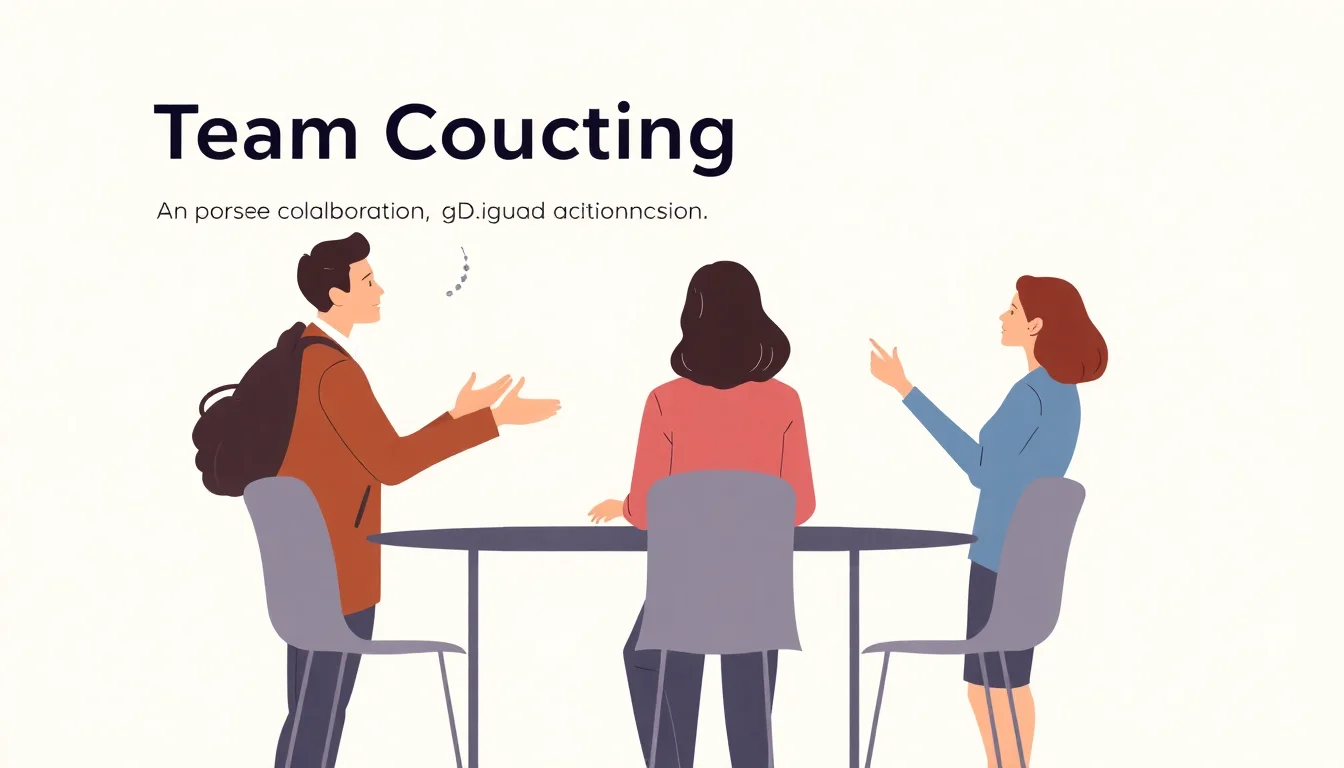
At its core, team coaching involves a structured process where a coach facilitates constructive conversations and enhances self-awareness within a team. The coach acts as a guide, observing team dynamics, identifying patterns, and using tools and techniques to help the team improve its ways of working, communication, and problem-solving. Unlike consulting or mentoring, team coaching focuses on empowering the team to find its own solutions and take ownership of its development. This process often involves creating a safe environment for honest dialogue, building trust, and aligning individual strengths with collective objectives, drawing parallels to how platforms like Reddit foster community through user-generated content and discussion.
🌍 Cultural Impact
The cultural impact of team coaching is profound, extending beyond mere performance enhancement to foster a more collaborative and engaged workplace. By improving interpersonal relationships and communication, team coaching contributes to increased employee satisfaction and retention, as noted by sources like the College of Executive Coaching. It empowers teams to navigate change more effectively, develop emotional intelligence, and align their efforts with broader organizational goals. This shift towards a more human-centric approach to team development mirrors the broader cultural movements seen in areas like conscious consumerism and the emphasis on mental health post-COVID, impacting how individuals interact and contribute within their professional spheres.
🚀 Legacy & Future
The future of team coaching appears robust, with continued growth anticipated as organizations increasingly recognize its value in driving sustainable results and ongoing development. The ICF's ongoing development of specialized certifications, such as the Advanced Certification in Team Coaching (ACTC), signals a professionalization of the field. As hybrid and remote work models become more prevalent, the need for effective team coaching to bridge communication gaps and maintain cohesion will only intensify. This evolution positions team coaching as a vital component of leadership development and organizational strategy, akin to how innovations in digital music revolutionized the music industry, creating new paradigms for creation and consumption.
Key Facts
- Year
- 2020s
- Origin
- Global, with significant development in professional coaching circles
- Category
- movements
- Type
- concept
Frequently Asked Questions
What is the difference between team coaching and group coaching?
Team coaching focuses on the collective dynamics, relationships, and performance of a team as a single entity. Group coaching, on the other hand, often focuses on individual development within a group setting, where participants may learn from observing interactions but the primary focus is not on the group's collective performance.
What are the main benefits of team coaching?
Benefits include improved productivity and efficiency, increased employee satisfaction and retention, empowerment of individual strengths, development of emotional intelligence within the team, more effective change management, and better alignment with organizational goals. It fosters a more collaborative and cohesive work environment.
What is the role of a team coach?
A team coach acts as a facilitator and guide, helping the team improve its communication, problem-solving skills, and overall dynamics. They create a safe space for honest conversations, build trust, and empower the team to find its own solutions, rather than providing direct advice or solutions.
How does team coaching differ from consulting or mentoring?
While consultants and mentors often provide expertise and direct solutions, a team coach focuses on empowering the team to discover its own answers. The coach facilitates the process of self-discovery and improvement, rather than dictating a course of action.
What are some common tools used in team coaching?
Tools can include stakeholder mapping, role-playing, psychometric assessments (like MBTI or Belbin Team Roles), SWOT analysis, appreciative inquiry, and various communication exercises. The specific tools used depend on the team's needs and the coach's methodology, such as the Five Disciplines model or ICF competencies.
References
- assets.henley.ac.uk — /v3/fileUploads/Coaching-in-Action-Guide-Team-Coaching.pdf
- executivecoachcollege.com — /research-and-publications/six-reasons-why-team-coaching-is-needed.php
- coachingfederation.org — /blog/navigating-team-dynamics-strategies-for-coaches-to-foster-positive-change/
- teamcoachinginternational.com — /five-essential-team-coaching-competencies/
- coachtrainingedu.com — /blog/how-coaching-skills-improve-team-performance-in-the-workplace/
- aoec.com — /media/filer_public/62/5e/625e4235-fb33-4e8d-a59b-cc52c46174d7/aoec_tools_resour
- the-leadership-coaches.com — /post/benefits-of-team-coaching
- positivepsychology.com — /coaching-techniques/