
Contents
Overview
Tanker markets refer to the global trade of oil and petroleum products, with oil tankers playing a crucial role in transporting these commodities. The market is influenced by factors such as global demand, supply chain disruptions, and geopolitical events. Companies like ExxonMobil and Royal Dutch Shell are major players in the tanker market, while organizations like the International Maritime Organization (IMO) regulate the industry. With the rise of renewable energy sources, the tanker market is expected to evolve in the coming years.
🚢 Introduction to Tanker Markets
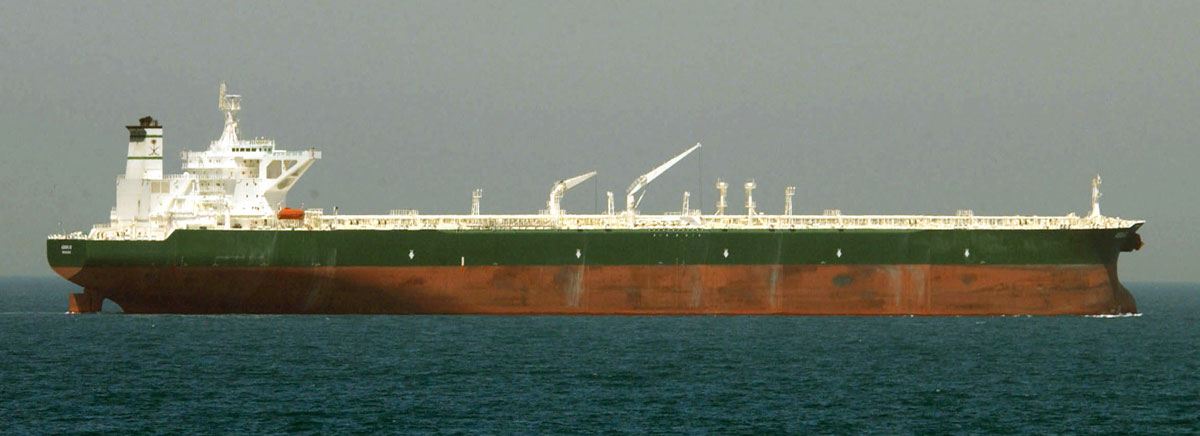
The tanker market is a complex and dynamic industry, with oil tankers like the ULCC (Ultra Large Crude Carrier) playing a vital role in transporting oil and petroleum products. The market is influenced by factors such as global demand, supply chain disruptions, and geopolitical events. For example, the Strait of Malacca is a critical shipping lane for oil tankers, with companies like Maersk and COSCO operating in the region. The Baltic Exchange is a key platform for tanker market trading, providing freight rates and other market data.
⚙️ How Tanker Markets Work
The tanker market is dominated by a few large players, including Frontline Ltd and Teekay Corporation. These companies operate a fleet of oil tankers, ranging from small product tankers to large crude tankers. The market is also influenced by organizations like the International Energy Agency (IEA), which provides data and analysis on the global energy market. Additionally, the United States Energy Information Administration (EIA) provides insights into the US energy market, which is a significant player in the global tanker market.
🌍 Global Tanker Market Trends
Global tanker market trends are shaped by factors such as oil demand, supply chain disruptions, and geopolitical events. For example, the Iran sanctions have had a significant impact on the tanker market, with companies like Total SE and Enel affected by the restrictions. The Suez Canal is another critical shipping lane, with the Suez Canal Authority responsible for its operation and maintenance. The rise of renewable energy sources is also expected to impact the tanker market, with companies like Vestas and Siemens Gamesa leading the charge in the wind energy sector.
🔮 Future of Tanker Markets
The future of tanker markets is uncertain, with the rise of renewable energy sources and increasing regulatory pressures. Companies like BP and Equinor are investing in sustainable energy sources, while organizations like the International Renewable Energy Agency (IRENA) are promoting the transition to a low-carbon economy. The IMO 2020 regulations, which aim to reduce sulfur emissions from ships, are also expected to have a significant impact on the tanker market. As the energy landscape continues to evolve, the tanker market will need to adapt to changing demand patterns and regulatory requirements.
Key Facts
- Year
- 2020
- Origin
- Global
- Category
- technology
- Type
- concept
Frequently Asked Questions
What is the current state of the tanker market?
The tanker market is currently experiencing a period of uncertainty, with factors such as global demand, supply chain disruptions, and geopolitical events influencing the market. Companies like ExxonMobil and Royal Dutch Shell are major players in the market, while organizations like the International Maritime Organization (IMO) regulate the industry.
How will the rise of renewable energy affect the tanker market?
The rise of renewable energy sources is expected to impact the tanker market, with companies like Vestas and Siemens Gamesa leading the charge in the wind energy sector. As the energy landscape continues to evolve, the tanker market will need to adapt to changing demand patterns and regulatory requirements.
What are the key trends shaping the global tanker market?
Global tanker market trends are shaped by factors such as oil demand, supply chain disruptions, and geopolitical events. For example, the Iran sanctions have had a significant impact on the tanker market, with companies like Total SE and Enel affected by the restrictions.
How do regulatory pressures affect the tanker market?
Regulatory pressures, such as the IMO 2020 regulations, are expected to have a significant impact on the tanker market. The regulations aim to reduce sulfur emissions from ships, and companies like BP and Equinor are investing in sustainable energy sources to comply with the regulations.
What is the role of the International Maritime Organization (IMO) in the tanker market?
The IMO plays a crucial role in regulating the tanker market, with the organization responsible for setting standards and guidelines for the safe and environmentally friendly operation of oil tankers. The IMO also provides a platform for countries to discuss and address issues related to the tanker market, such as marine pollution and climate change.