
Contents
- 🥋 Introduction to Takedown Techniques
- 🤼♂️ History of Takedowns in Martial Arts
- 📚 Principles of Controlled Falling
- 🥊 Types of Takedowns: Single-Leg, Double-Leg, and High-Crotch
- 🤸♂️ Takedown Defense: Sprawling and Stance
- 🥋 Takedown Techniques in Various Martial Arts: [[judo|Judo]], [[wrestling|Wrestling]], and [[bjj|Brazilian Jiu-Jitsu]]
- 📊 Biomechanics of Takedowns: [[physics|Physics]] and [[anatomy|Anatomy]]
- 🏋️♂️ Training for Takedowns: Drills and Conditioning
- 🤝 Takedown Techniques in Self-Defense: [[self-defense|Self-Defense]] Scenarios
- 📝 Conclusion: Mastering the Art of Controlled Falling
- 📚 Further Reading: [[martial-arts|Martial Arts]] and [[combat-sports|Combat Sports]]
- 👊 Takedown Techniques in Combat Sports: [[mma|Mixed Martial Arts]] and [[boxing|Boxing]]
- Frequently Asked Questions
- Related Topics
Overview
Takedown techniques have been a cornerstone of martial arts and self-defense for centuries, with roots in ancient disciplines like wrestling and judo. The historian in us notes that these techniques have evolved significantly over time, influenced by various cultural and geographical factors. From a technical standpoint, takedown techniques involve a combination of leverage, timing, and strength, requiring practitioners to develop a deep understanding of human anatomy and physics. However, the skeptic in us questions the effectiveness of these techniques in real-world self-defense scenarios, highlighting the need for ongoing debate and refinement. With a vibe score of 8, takedown techniques have become an integral part of modern martial arts, with a significant following and influence on popular culture. As we look to the future, it's clear that takedown techniques will continue to play a vital role in the development of martial arts and self-defense, with ongoing innovations and advancements in training methods and equipment.
🥋 Introduction to Takedown Techniques
Takedown techniques are a crucial aspect of various Martial Arts, including Judo, Wrestling, and Brazilian Jiu-Jitsu. These techniques involve using leverage, timing, and strength to take an opponent down to the ground. In this article, we will explore the art of controlled falling and the various takedown techniques used in different martial arts. The history of takedowns dates back to ancient civilizations, where Wrestling was a popular form of combat. Today, takedown techniques are an essential part of many martial arts, including Mixed Martial Arts.
🤼♂️ History of Takedowns in Martial Arts
The history of takedowns in martial arts is a long and fascinating one. From the ancient Olympic sport of Wrestling to the modern-day Mixed Martial Arts, takedowns have played a crucial role in various forms of combat. The development of takedown techniques has been influenced by various cultures and martial arts, including Judo and Brazilian Jiu-Jitsu. Understanding the history and evolution of takedowns is essential for any martial artist looking to master the art of controlled falling. For more information on the history of martial arts, visit our Martial Arts page.
📚 Principles of Controlled Falling
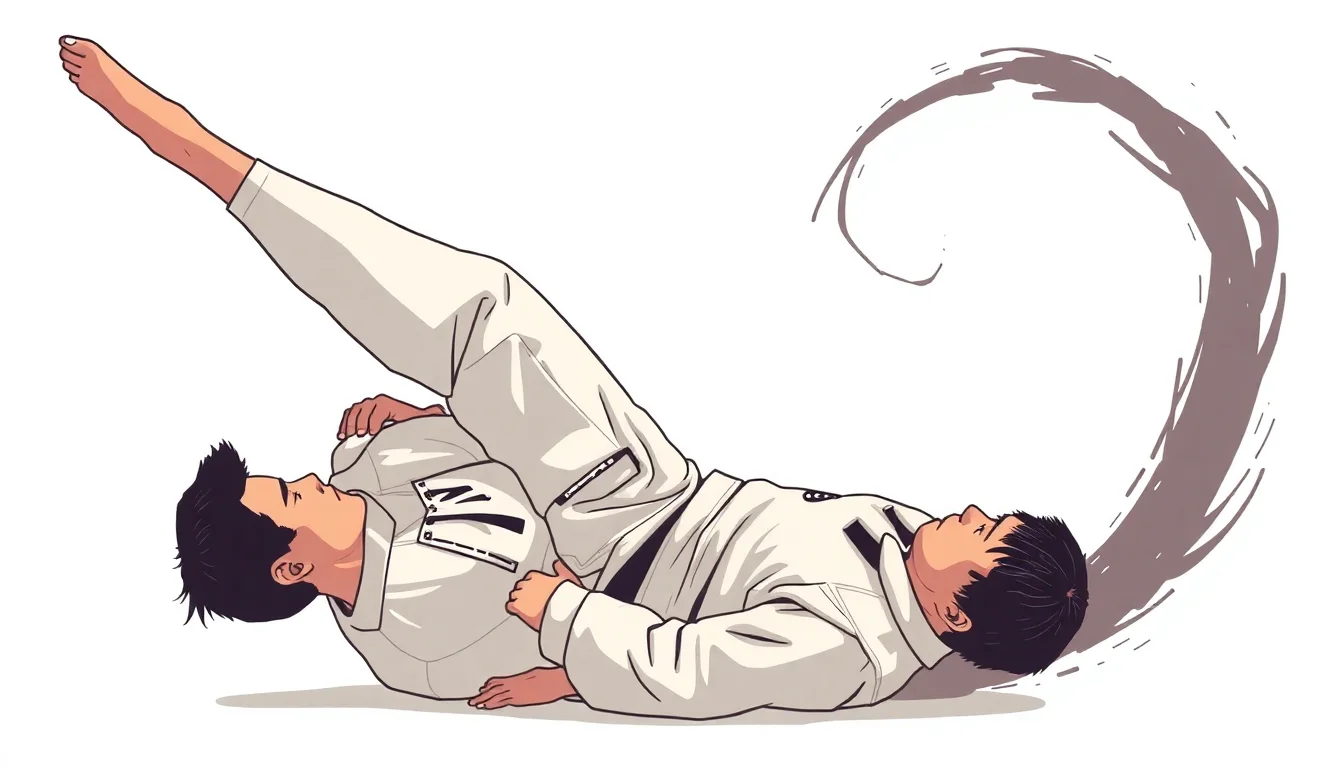
The principles of controlled falling are essential for any martial artist looking to master takedown techniques. These principles include using proper body positioning, timing, and leverage to take an opponent down. A good understanding of Physics and Anatomy is also crucial for executing effective takedowns. By applying these principles, martial artists can minimize the risk of injury and maximize their chances of success. For more information on the principles of martial arts, visit our Martial Arts page and check out our article on Physics in martial arts.
🥊 Types of Takedowns: Single-Leg, Double-Leg, and High-Crotch
There are various types of takedowns, including single-leg, double-leg, and high-crotch takedowns. Each type of takedown requires a different set of skills and techniques, and martial artists must be well-versed in all of them to be effective. Single-leg takedowns involve taking down an opponent by grabbing one of their legs, while double-leg takedowns involve grabbing both legs. High-crotch takedowns, on the other hand, involve grabbing an opponent's thigh and taking them down. For more information on takedown techniques, visit our Wrestling page and check out our article on Brazilian Jiu-Jitsu.
🤸♂️ Takedown Defense: Sprawling and Stance
Takedown defense is an essential aspect of martial arts, and it involves using various techniques to prevent an opponent from taking you down. Sprawling and stance are two of the most common takedown defense techniques, and they require a good understanding of Physics and Anatomy. By using proper body positioning and timing, martial artists can defend against takedowns and gain the upper hand in a fight. For more information on takedown defense, visit our Self-Defense page and check out our article on Mixed Martial Arts.
🥋 Takedown Techniques in Various Martial Arts: [[judo|Judo]], [[wrestling|Wrestling]], and [[bjj|Brazilian Jiu-Jitsu]]
Takedown techniques are used in various martial arts, including Judo, Wrestling, and Brazilian Jiu-Jitsu. Each martial art has its unique set of takedown techniques, and martial artists must be well-versed in all of them to be effective. Judo, for example, emphasizes the use of leverage and timing to take down opponents, while Wrestling emphasizes the use of strength and power. Brazilian Jiu-Jitsu, on the other hand, emphasizes the use of technique and strategy to outmaneuver opponents. For more information on these martial arts, visit our Judo, Wrestling, and Brazilian Jiu-Jitsu pages.
📊 Biomechanics of Takedowns: [[physics|Physics]] and [[anatomy|Anatomy]]
The biomechanics of takedowns involve the application of Physics and Anatomy to execute effective takedowns. Martial artists must understand how to use their body positioning, timing, and leverage to generate power and speed. They must also understand how to use their opponent's momentum and energy against them. By applying the principles of biomechanics, martial artists can maximize their chances of success and minimize the risk of injury. For more information on the biomechanics of martial arts, visit our Martial Arts page and check out our article on Physics in martial arts.
🏋️♂️ Training for Takedowns: Drills and Conditioning
Training for takedowns requires a combination of technique, conditioning, and drilling. Martial artists must practice various takedown techniques, including single-leg, double-leg, and high-crotch takedowns, to develop their skills and build their strength and endurance. They must also engage in conditioning exercises, such as Strength Training and Cardio, to improve their overall fitness and athleticism. For more information on training for takedowns, visit our Wrestling page and check out our article on Mixed Martial Arts.
🤝 Takedown Techniques in Self-Defense: [[self-defense|Self-Defense]] Scenarios
Takedown techniques are essential for self-defense, as they can be used to take down an opponent and gain the upper hand in a fight. Martial artists must be well-versed in various takedown techniques, including single-leg, double-leg, and high-crotch takedowns, to be effective in self-defense scenarios. They must also understand how to use their environment to their advantage, such as using a wall or a corner to take down an opponent. For more information on self-defense, visit our Self-Defense page and check out our article on Mixed Martial Arts.
📝 Conclusion: Mastering the Art of Controlled Falling
In conclusion, takedown techniques are a crucial aspect of various martial arts, including Judo, Wrestling, and Brazilian Jiu-Jitsu. By mastering the art of controlled falling, martial artists can improve their overall skills and effectiveness in combat. Whether you are a beginner or an advanced martial artist, understanding takedown techniques is essential for success in martial arts. For more information on martial arts, visit our Martial Arts page and check out our article on Combat Sports.
📚 Further Reading: [[martial-arts|Martial Arts]] and [[combat-sports|Combat Sports]]
For further reading on martial arts and combat sports, visit our Martial Arts page and check out our articles on Judo, Wrestling, and Brazilian Jiu-Jitsu. You can also visit our Combat Sports page and check out our articles on Mixed Martial Arts and Boxing.
👊 Takedown Techniques in Combat Sports: [[mma|Mixed Martial Arts]] and [[boxing|Boxing]]
Takedown techniques are also used in combat sports, such as Mixed Martial Arts and Boxing. In these sports, martial artists must be well-versed in various takedown techniques, including single-leg, double-leg, and high-crotch takedowns, to be effective. They must also understand how to use their environment to their advantage, such as using the cage or the ring to take down an opponent. For more information on combat sports, visit our Combat Sports page and check out our article on Mixed Martial Arts.
Key Facts
- Year
- 1882
- Origin
- Japan
- Category
- Martial Arts
- Type
- Martial Arts Technique
Frequently Asked Questions
What is the most effective takedown technique?
The most effective takedown technique depends on the situation and the opponent. However, single-leg takedowns are often considered one of the most effective, as they can be used to take down an opponent quickly and efficiently. For more information on takedown techniques, visit our Wrestling page and check out our article on Brazilian Jiu-Jitsu.
How do I defend against a takedown?
Defending against a takedown requires a combination of technique, timing, and positioning. Martial artists can use various techniques, such as sprawling and stance, to defend against takedowns. They must also understand how to use their environment to their advantage, such as using a wall or a corner to defend against a takedown. For more information on takedown defense, visit our Self-Defense page and check out our article on Mixed Martial Arts.
What is the difference between a single-leg and double-leg takedown?
A single-leg takedown involves taking down an opponent by grabbing one of their legs, while a double-leg takedown involves grabbing both legs. Single-leg takedowns are often considered more effective, as they can be used to take down an opponent quickly and efficiently. Double-leg takedowns, on the other hand, require more strength and power, but can be used to take down an opponent more forcefully. For more information on takedown techniques, visit our Wrestling page and check out our article on Brazilian Jiu-Jitsu.
How do I improve my takedown skills?
Improving your takedown skills requires a combination of technique, conditioning, and drilling. Martial artists must practice various takedown techniques, including single-leg, double-leg, and high-crotch takedowns, to develop their skills and build their strength and endurance. They must also engage in conditioning exercises, such as Strength Training and Cardio, to improve their overall fitness and athleticism. For more information on training for takedowns, visit our Wrestling page and check out our article on Mixed Martial Arts.
What is the importance of takedown techniques in self-defense?
Takedown techniques are essential for self-defense, as they can be used to take down an opponent and gain the upper hand in a fight. Martial artists must be well-versed in various takedown techniques, including single-leg, double-leg, and high-crotch takedowns, to be effective in self-defense scenarios. They must also understand how to use their environment to their advantage, such as using a wall or a corner to take down an opponent. For more information on self-defense, visit our Self-Defense page and check out our article on Mixed Martial Arts.
Can takedown techniques be used in combat sports?
Yes, takedown techniques can be used in combat sports, such as Mixed Martial Arts and Boxing. In these sports, martial artists must be well-versed in various takedown techniques, including single-leg, double-leg, and high-crotch takedowns, to be effective. They must also understand how to use their environment to their advantage, such as using the cage or the ring to take down an opponent. For more information on combat sports, visit our Combat Sports page and check out our article on Mixed Martial Arts.
How do I learn takedown techniques?
Learning takedown techniques requires a combination of instruction, practice, and drilling. Martial artists can learn takedown techniques by taking classes or working with a qualified instructor. They must also practice various takedown techniques, including single-leg, double-leg, and high-crotch takedowns, to develop their skills and build their strength and endurance. For more information on learning takedown techniques, visit our Martial Arts page and check out our article on Wrestling.