
Contents
Overview
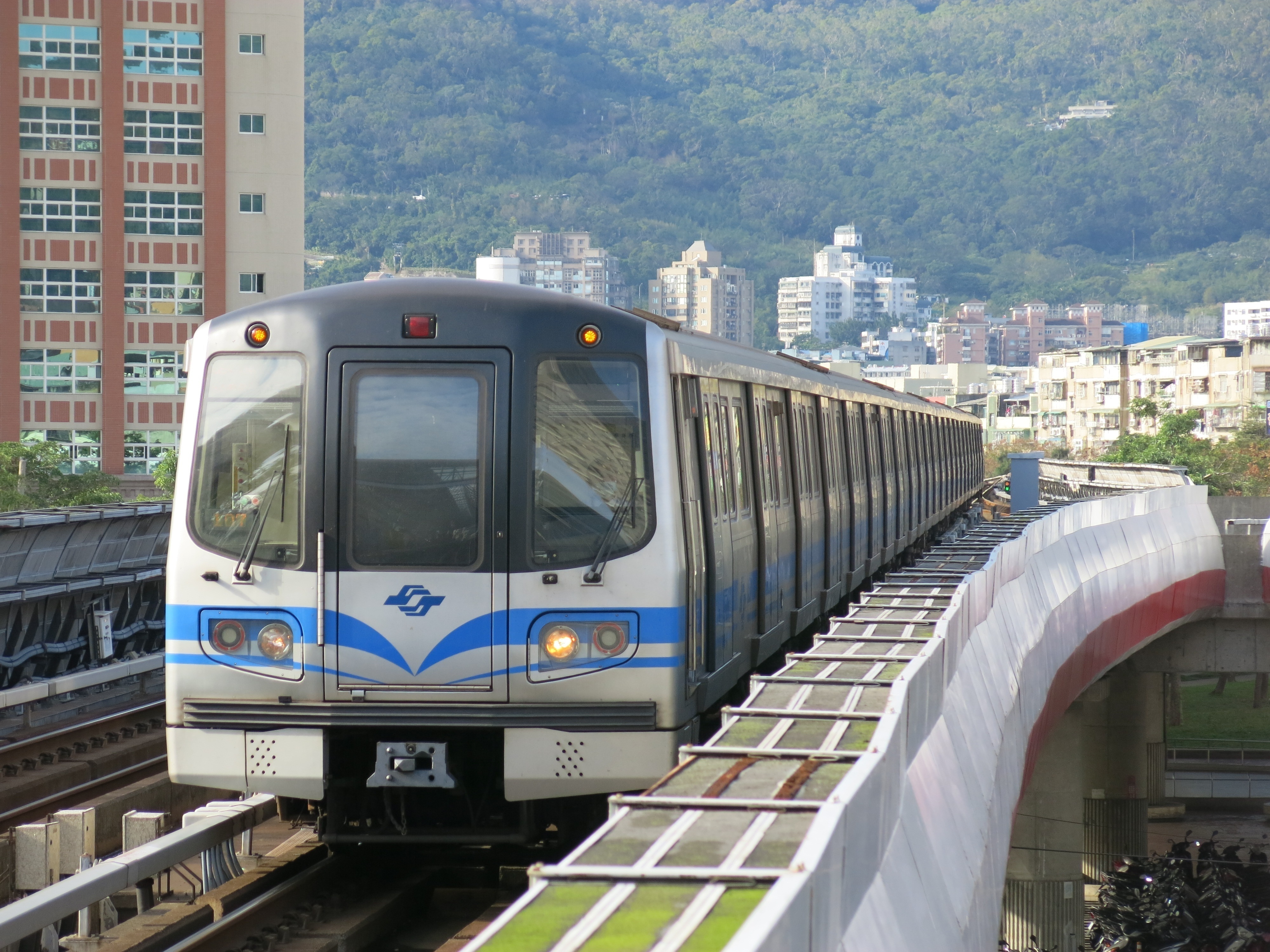
The foundations of Taiwan's transportation system were laid during the Japanese colonial era (1895-1945), which saw the construction of crucial railway lines and port facilities, notably the Taiwan Railway Administration network. Post-WWII, under the Kuomintang government, significant investment poured into expanding and modernizing these networks, driven by economic development plans and the need to connect a rapidly industrializing island. The 1970s and 1980s marked a period of intensive highway construction, including the National Highway No. 1, facilitating intercity freight and passenger movement. A pivotal moment arrived with the launch of the Taiwan High Speed Rail (THSR), a project that dramatically reshaped travel between the island's major western cities, reducing journey times and fostering economic integration. The development of urban mass rapid transit systems, beginning with the Taipei Metro in 1996, further modernized intra-city mobility, with Kaohsiung following suit in 2008.
⚙️ How It Works
Taiwan's transportation network operates through a multi-modal, integrated system. The THSR utilizes Shinkansen technology, running on dedicated tracks from Taipei to Kaohsiung, with advanced signaling systems ensuring high-speed, safe operation. The TRA network, a conventional railway, complements the THSR by serving more local routes and eastern Taiwan, operating a diverse fleet including electric multiple units (EMUs) and diesel locomotives. The highway system, managed by the Directorate General of Highways, comprises national highways, provincial highways, and county roads, characterized by extensive tolling systems, increasingly transitioning to electronic payment. Urban transit, such as the Taipei Metro, employs sophisticated automation, smart card ticketing (EasyCard), and real-time information systems to manage high passenger volumes efficiently. Maritime transport relies on major ports like Kaohsiung Port and Taichung Port, handling the bulk of Taiwan's international trade, while air travel is centered at Taoyuan International Airport (TPE) and Kaohsiung International Airport (KHH).
📊 Key Facts & Numbers
Taiwan's transportation infrastructure is a testament to its economic prowess, with significant quantifiable achievements. The THSR carries an average of over 60 million passengers annually, with its busiest stations like Taipei Main Station handling tens of thousands daily. The TRA operates over 1,000 trains daily, serving more than 200 stations and transporting approximately 1.5 million passengers each week. Taiwan's highway network spans over 4,000 kilometers, with national highways accounting for over 1,000 kilometers, facilitating the movement of over 2 million vehicles registered on the island. The Port of Kaohsiung ranks among the world's busiest container ports, handling over 10 million TEUs (twenty-foot equivalent units) annually. Taoyuan International Airport processes over 40 million passengers and 2 million tons of cargo each year, making it a critical hub for East Asian air traffic. The Taipei Metro system alone serves an average of 2 million passenger trips per day.
👥 Key People & Organizations
Several key individuals and organizations have shaped Taiwan's transportation landscape. The Ministry of Transportation and Communications (MOTC) is the primary governmental body responsible for policy and oversight. The Taiwan High Speed Rail Corporation (THSRC), a private consortium, spearheaded the development and operation of the high-speed rail line, with notable figures like T.Y. Lee (a Nobel laureate who advised on technology transfer) and Morris Chang (founder of TSMC, who also had interests in infrastructure projects) being influential in Taiwan's technological and economic development, indirectly supporting such large-scale projects. The TRA has a long history of public service. For urban transit, the Taipei Rapid Transit Corporation (TRTC) and Kaohsiung Rapid Transit Corporation (KRTC) manage the respective metro systems. The Taiwan Transportation Safety Board (TTSB) is critical for safety investigations, established in 2012 following recommendations for an independent safety body.
🌍 Cultural Impact & Influence
Taiwan's transportation system has profoundly influenced its culture and daily life, fostering a sense of connectivity and national identity. The THSR has effectively shrunk the island, enabling day trips between major cities and blurring the lines between urban centers, leading to increased tourism and business travel. This ease of movement has also contributed to a more unified national market and cultural exchange. The ubiquity of EasyCards and similar smart payment systems in public transport has normalized cashless transactions and efficient urban commuting, becoming an integral part of daily routines for millions. The development of extensive cycling infrastructure, particularly in cities like Taichung and Taipei, has promoted a healthier, more environmentally conscious lifestyle, with bike-sharing systems like YouBike becoming iconic symbols of modern Taiwanese urbanism. The efficiency and punctuality of the public transport system are often cited with pride by residents, contributing to a positive national image.
⚡ Current State & Latest Developments
The current state of Taiwan's transportation is characterized by continuous upgrades and a focus on smart technology and sustainability. The MOTC is actively promoting the development of intelligent transportation systems (ITS), integrating AI and big data for traffic management and public transit optimization. Electrification is a key trend, with ongoing efforts to expand the electric vehicle charging infrastructure and electrify more TRA lines. The THSR is exploring service enhancements and potential extensions. Urban areas are seeing further expansion of metro lines and the integration of multimodal transport hubs, aiming to reduce reliance on private vehicles. The TTSB continues its work, releasing regular safety reports and recommendations, most recently focusing on improving railway safety protocols following several high-profile incidents in 2021 and 2023.
🤔 Controversies & Debates
Debates surrounding Taiwan's transportation infrastructure often center on cost, environmental impact, and equitable development. The immense cost of projects like the THSR has been a recurring point of contention, with questions raised about public subsidies and long-term financial viability. Environmental concerns are paramount, particularly regarding the carbon footprint of air travel and the impact of highway expansion on natural habitats. There's also a persistent debate about the balance between developing high-speed rail for major corridors and improving conventional rail and bus services for rural and eastern regions, which are often underserved. Safety remains a critical issue, with public scrutiny intensifying after major accidents, leading to calls for stricter regulations and more robust oversight by bodies like the TTSB. The efficiency of toll collection systems and the future of road pricing are also subjects of ongoing discussion.
🔮 Future Outlook & Predictions
The future of Taiwan's transportation is poised for significant transformation, driven by technological innovation and sustainability goals. The island is expected to become a major testbed fo
Key Facts
- Category
- technology
- Type
- topic