
Contents
Overview
The Taiwan High Speed Rail (THSR) is a high-speed rail network that serves as the critical transit backbone of Taiwan. Utilizing a customized version of Japan's Shinkansen technology, the system operates at high speeds, reducing travel time across the island's western coast. Since its commercial debut, the THSR has fundamentally altered the geography of Taiwan, effectively merging its major metropolitan areas into a single 'one-day living circle.' Managed by the Taiwan High Speed Rail Corporation (THSRC), the project remains one of the world's largest privately funded infrastructure builds, despite a complex history of financial restructuring and technical integration between European and Japanese engineering standards.
🎵 Origins & History
The genesis of the THSR dates back to the late 1980s as the Executive Yuan sought to alleviate congestion on the Taiwan Railways Administration lines. Originally, the project was a battleground between the Eurotrain consortium—led by Siemens and Alstom—and the Taiwan Shinkansen Consortium. While Eurotrain initially won preferred bidder status in 1997, the 1999 921 Earthquake shifted the tide toward Japanese technology due to its superior seismic safety records. The THSRC, led by chairwoman Nita Ing, eventually signed the definitive contract with the Japanese group in 2000, marking the first time Shinkansen technology was exported outside of Japan.
⚙️ How It Works
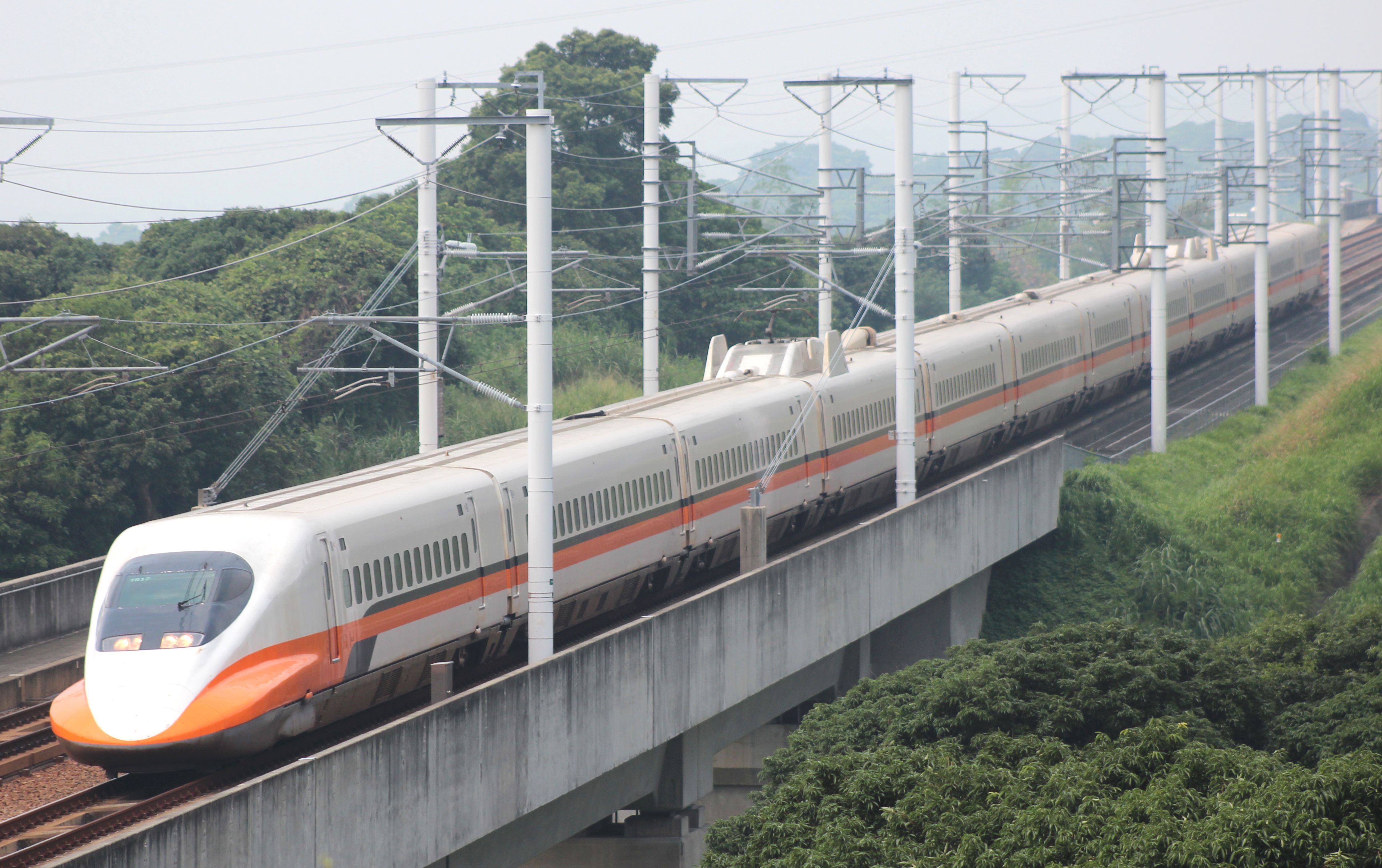
Technically, the THSR is a hybrid marvel, utilizing Japanese rolling stock on a track system that incorporates European signaling and safety philosophies. The 700T series trains were manufactured by Kawasaki Heavy Industries, Hitachi, and Nippon Sharyo, featuring aerodynamic 'long-nose' designs to mitigate tunnel boom. The infrastructure includes 251 kilometers of viaducts and 48 kilometers of tunnels, designed to withstand the extreme tectonic activity of the Pacific Ring of Fire. Power is supplied via a 25kV AC overhead catenary system, managed by a centralized traffic control center in Taoyuan that monitors every train's position in real-time.
📊 Key Facts & Numbers
The scale of the THSR is defined by its massive capital investment and impressive operational efficiency. The initial construction cost was approximately NT$513.3 billion (US$18 billion), making it a staggering financial undertaking for a private entity. By 2024, annual ridership has consistently surpassed 70 million passengers, a massive leap from the 15 million recorded in its first year of operation. The system maintains a punctuality rate of over 99%, with average delays measured in mere seconds rather than minutes. There are currently 12 stations in operation, including major hubs like Zuoying and Hsinchu, serving over 90% of Taiwan's population.
👥 Key People & Organizations
The project's trajectory was steered by influential figures like Nita Ing, the former chair of Continental Engineering Corporation, who championed the Build-Operate-Transfer (BOT) model. On the government side, the Ministry of Transportation and Communications (MOTC) has played a dual role as regulator and eventual savior during financial crises. Key corporate players include Mitsubishi Heavy Industries, which provided the integrated systems, and Toshiba, responsible for the propulsion and electrical systems. The THSRC itself transitioned from a purely private venture to a 'government-led, privately managed' entity following a 2015 financial bailout.
🌍 Cultural Impact & Influence
Culturally, the THSR has redefined the concept of distance in Taiwan, enabling a 'north-south' lifestyle where commuters can live in Taichung and work in Taipei. The iconic orange-and-white livery of the 700T has become a symbol of Taiwan's modernity, frequently appearing in media produced by Public Television Service. The stations themselves, particularly the award-winning Hsinchu Station designed by Kris Yao, have become architectural landmarks. The 'Ekiben' or railway bento culture, influenced by Japan Railways, has also flourished, with THSR-specific lunch boxes becoming a staple of the travel experience.
⚡ Current State & Latest Developments
As of 2024, the THSR is navigating a period of significant fleet renewal and digital transformation. In 2023, the THSRC signed a NT$28.5 billion contract with Hitachi Rail and Toshiba to purchase 12 new trainsets based on the N700S series platform. These new trains are expected to enter service by 2026, offering better energy efficiency and enhanced passenger amenities. Simultaneously, the integration of the TPASS monthly transit card has sparked intense debate among transport scholars regarding the financial burden on the high-speed rail's premium pricing model versus the goal of universal mobility.
🤔 Controversies & Debates
The most enduring controversy surrounding the THSR is its financial viability and the 'BOT' model's failure to meet original revenue projections. Critics, including members of the Kuomintang and DPP, have frequently clashed over the 2015 'financial rescue plan' which saw the government increase its stake to over 60% to prevent bankruptcy. There is also ongoing tension regarding the 'European-Japanese hybrid' system, which some engineers argued created unnecessary complexity in maintenance and parts procurement. More recently, the proposed extension to Yilan and Pingtung has faced pushback from environmental groups concerned about the impact on local ecosystems and water tables.
🔮 Future Outlook & Predictions
The future of the THSR involves physical expansion and deeper integration into the global high-speed rail discourse. Plans are currently underway for the 'Yilan Extension,' which would involve a 50-kilometer track through difficult mountainous terrain to connect the east coast. There is also a push toward 'Smart Rail' technologies, utilizing 5G and AI for predictive maintenance and autonomous station management. As Taiwan seeks to reach net-zero emissions by 2050, the THSR is positioned as the primary alternative to domestic aviation, with the potential to completely phase out short-haul flights between Songshan and Kaohsiung.
💡 Practical Applications
In practical terms, the THSR is the preferred method for business travelers and tourists navigating the Western Taiwan Corridor. The system integrates seamlessly with the Taipei Metro and Kaohsiung Metro, providing a 'last mile' solution for international visitors arriving at Taoyuan International Airport. For the tech industry, the rail is a vital link between the Hsinchu Science Park and the Southern Taiwan Science Park, facilitating the rapid movement of engineers and executives. Booking is highly digitized, with the 'T-EX' mobile app serving as a model for paperless ticketing in the region.
Key Facts
- Category
- technology
- Type
- technology