
Contents
- 🎵 Origins & History
- ⚙️ How It Works
- 📊 Key Facts & Numbers
- 👥 Key People & Organizations
- 🌍 Cultural Impact & Influence
- ⚡ Current State & Latest Developments
- 🤔 Controversies & Debates
- 🔮 Future Outlook & Predictions
- 💡 Practical Applications
- 📚 Related Topics & Deeper Reading
- Frequently Asked Questions
- Related Topics
Overview
The conceptual roots of synthetic biology stretch back to the early 20th century with pioneers like Hermann Muller and George Church who explored the idea of engineering biological systems. However, the field as we know it truly began to coalesce in the early 2000s, drawing inspiration from genetic engineering and systems biology. Key early milestones include the development of BioBricks in 2003 by Tom Knight and his colleagues at MIT, providing standardized biological parts for easier assembly. The first International Genetically Engineered Machine (iGEM) competition in 2004 further galvanized the community, fostering collaboration and innovation among student teams worldwide. This period marked a shift from simply modifying existing genes to designing entirely new biological functions from the ground up.
⚙️ How It Works
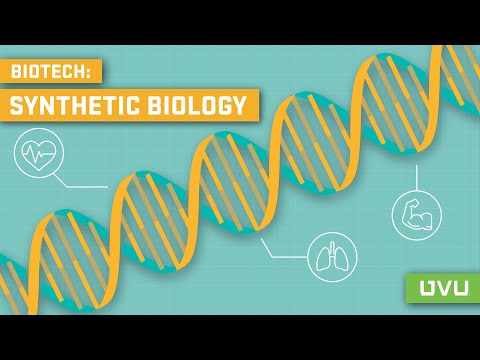
At its core, synbio operates by applying engineering design principles to biology. This involves breaking down complex biological functions into standardized, interchangeable parts – akin to electronic components – often referred to as BioBricks. These parts, such as promoters, ribosome binding sites, and terminators, are then assembled into genetic circuits that can perform specific tasks within a host organism, like E. coli or yeast. Techniques like DNA synthesis and gene editing (e.g., CRISPR-Cas9) are crucial for building these engineered genetic constructs and inserting them into cells. The goal is to create predictable, robust biological systems that can be programmed to produce desired outputs.
📊 Key Facts & Numbers
The synthetic biology market is experiencing exponential growth. In 2022, the global market size was estimated at $10.4 billion, with projections indicating a surge to over $35 billion by 2030, representing a compound annual growth rate (CAGR) of approximately 16.5%. North America currently dominates the market, accounting for over 35% of the global share. Over 500 companies are actively involved in synthetic biology research and development, with a significant portion focusing on healthcare and pharmaceuticals. The iGEM competition alone has seen participation from over 300 universities across more than 40 countries since its inception in 2004.
👥 Key People & Organizations
Several key figures and organizations have shaped the trajectory of synthetic biology. George Church, a professor at Harvard University, is a foundational figure, known for his work on DNA synthesis and genome engineering. Craig Venter, a prominent synthetic biologist, led the team that created the first synthetic cell, JCVI-syn1.0, in 2010. Tom Knight, a pioneer in BioBricks and automated DNA synthesis, laid crucial groundwork for standardization. Major academic institutions like MIT, Stanford University, and UC Berkeley are hubs for research, alongside companies such as Ginkgo Bioworks, Twist Bioscience, and Amyris.
🌍 Cultural Impact & Influence
Synbio's influence extends far beyond the laboratory, permeating culture and industry. It has inspired a new generation of bio-entrepreneurs and fueled the growth of the biotechnology industry. The concept of 'programming life' has captured the public imagination, appearing in science fiction narratives and sparking ethical discussions. The annual iGEM competition has fostered a global community of young scientists, promoting interdisciplinary collaboration and public engagement with synthetic biology. Furthermore, synbio's potential to address grand challenges like climate change and disease has positioned it as a critical technology for the 21st century.
⚡ Current State & Latest Developments
The field is currently witnessing rapid advancements in areas like DNA data storage, where biological molecules are used to store vast amounts of digital information with unprecedented density. Companies are also pushing the boundaries of cell-free systems, enabling biological reactions outside of living cells for easier control and scalability. The development of more sophisticated gene editing tools continues to enhance precision and efficiency. In 2023-2024, there's a significant focus on scaling up production of bio-based chemicals and materials, moving from lab-scale demonstrations to industrial applications, with increased investment in companies developing sustainable alternatives to petroleum-based products.
🤔 Controversies & Debates
Synbio is not without its controversies and debates. A primary concern revolves around biosafety and biosecurity, specifically the potential for engineered organisms to escape the lab and cause ecological harm or be misused for nefarious purposes. The ethical implications of 'playing God' and creating artificial life forms are also widely debated, particularly concerning human gene editing and the potential for designer babies. Questions about intellectual property rights for engineered genes and organisms, as well as equitable access to synbio technologies, remain contentious issues within the scientific and policy communities.
🔮 Future Outlook & Predictions
The future of synbio promises even more transformative applications. Experts predict the development of 'living medicines' – engineered cells or microbes designed to diagnose and treat diseases from within the body, potentially revolutionizing cancer treatment and infectious disease management. We can expect to see widespread adoption of bio-based manufacturing for sustainable production of everything from fuels and plastics to food and textiles, significantly reducing reliance on fossil fuels. Advances in computational biology and artificial intelligence will further accelerate the design-build-test cycle, enabling the creation of increasingly complex and sophisticated biological systems.
💡 Practical Applications
Synbio's practical applications are diverse and expanding. In medicine, it's being used to develop novel vaccines, diagnostic tools, and therapeutics, including engineered T-cells for immunotherapy. In agriculture, synbio is enhancing crop yields, developing pest-resistant plants, and creating sustainable fertilizers. The industrial sector is leveraging synbio for the production of biofuels, biodegradable plastics, and specialty chemicals, offering greener alternatives to traditional manufacturing processes. Even in the realm of consumer goods, synbio is enabling the creation of lab-grown fragrances, flavors, and materials like lab-grown leather.
Key Facts
- Year
- 2000s-present
- Origin
- Global (conceptualized in US, significant development worldwide)
- Category
- technology
- Type
- technology
Frequently Asked Questions
What is the fundamental goal of synthetic biology?
The fundamental goal of synthetic biology is to engineer biological systems with predictable and reliable functions, much like engineers design electronic circuits or mechanical devices. This involves creating standardized biological parts, assembling them into complex systems, and programming them to perform specific tasks, ranging from producing valuable chemicals to diagnosing and treating diseases. It aims to make biology a more predictable and programmable science.
How does synthetic biology differ from traditional genetic engineering?
While genetic engineering typically involves modifying one or a few genes within an existing organism, synthetic biology takes a more holistic, design-build-test approach. It focuses on creating entirely new biological functions or systems from scratch using standardized parts and engineering principles. Think of it as moving from editing a single word in a book (genetic engineering) to writing a whole new chapter or even a new book (synthetic biology).
What are some of the most impactful applications of synthetic biology today?
Current impactful applications include the development of sustainable biofuels that reduce reliance on fossil fuels, the production of novel pharmaceuticals and vaccines (like mRNA vaccines), the creation of bio-based materials as alternatives to plastics and leather, and the engineering of crops for improved yield and resilience. Synbio is also enabling the development of advanced diagnostics and 'living medicines' for targeted disease treatment.
What are the primary ethical concerns surrounding synthetic biology?
Key ethical concerns include biosafety and biosecurity – the potential for engineered organisms to escape the lab and cause unintended ecological harm or be weaponized. There are also profound questions about the morality of creating artificial life, the implications of human gene editing for future generations, and ensuring equitable access to these powerful technologies to prevent widening societal divides.
Is synthetic biology safe for the environment?
The safety of synthetic biology for the environment is a subject of ongoing research and debate. While engineered organisms are designed for specific purposes, concerns exist about their potential to outcompete natural species, disrupt ecosystems, or transfer engineered genes to wild populations. Regulatory frameworks and containment strategies are crucial for mitigating these risks, and rigorous testing is required before any engineered organism is released into the environment.
How can I get involved in synthetic biology?
Aspiring synthetic biologists can pursue formal education in biology, engineering, or related fields, with many universities now offering specialized programs. Participating in the iGEM competition is an excellent way for students to gain hands-on experience and connect with the global community. For those outside academia, exploring citizen science initiatives, biohacking communities, or supporting companies at the forefront of synbio innovation are other avenues.
What is the projected economic impact of synthetic biology in the next decade?
The economic impact is projected to be substantial. The global synthetic biology market, valued at around $10.4 billion in 2022, is forecast to exceed $35 billion by 2030. This growth is driven by increasing demand for sustainable products, advancements in healthcare, and the development of novel bio-based materials and chemicals across various industries, from agriculture and energy to pharmaceuticals and consumer goods.