
Contents
Overview
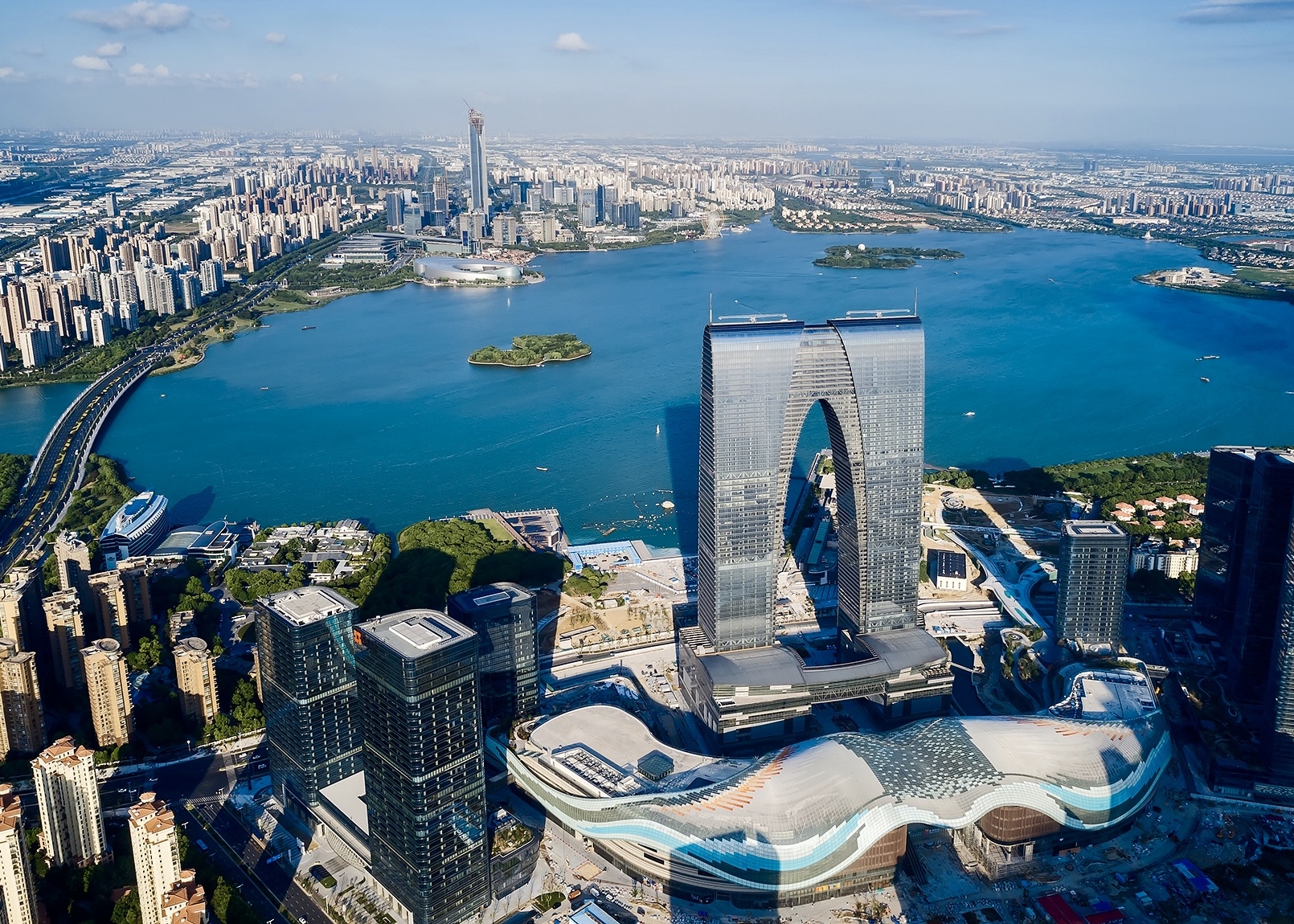
Suzhou, located in the Jiangsu province of China, has a rich history dating back to the Song dynasty. As the historic economic, cultural, and scholarly center of China, Suzhou has been a major hub of trade, arts, and intellectual life along the Grand Canal, with notable figures such as Zheng He and Su Dongpo contributing to its cultural landscape. The city's strategic location has made it an important center for the production and trade of silk, with companies like Jiangsu Silk and Suzhou Silk being major players in the industry.
🌳 Classical Gardens and Cultural Heritage
Suzhou's classical gardens, such as the Humble Administrator's Garden and the Lingering Garden, are internationally famous for their poetic expressions of nature, harmonizing architecture, water, rocks, and plants. These gardens have been praised by scholars and poets, including Tang Dynasty poets, for their beauty and tranquility. The city's gardens have also been influenced by the designs of famous architects, such as Liu An, who incorporated elements of Chinese architecture and Japanese landscape design.
🏭 Industrial Hub and Economic Development
As a major industrial hub, Suzhou has undergone significant economic development in recent years, with a focus on high-end manufacturing. The city is home to numerous companies, including Taiwan Semiconductor and Suzhou Pharmaceuticals, which have contributed to its growth as a center for technology and innovation. Suzhou's economic development has also been driven by its strategic location within the Yangtze Delta megalopolis, with cities like Shanghai and Hangzhou being major economic partners.
🌍 Tourism and Global Recognition
Suzhou's cultural heritage and natural beauty have made it a popular tourist destination, with visitors from around the world drawn to its classical gardens, canals, and traditional architecture. The city has been praised in Chinese poetry, along with Hangzhou, as 'paradise on earth,' a reputation that endures today. With its rich history, cultural significance, and natural beauty, Suzhou is a city that continues to inspire and attract visitors from around the world, including notable travelers like Marco Polo and Ibn Battuta.
Key Facts
- Year
- 960
- Origin
- Jiangsu province, China
- Category
- history
- Type
- place
Frequently Asked Questions
What is Suzhou famous for?
Suzhou is famous for its classical gardens, silk production, and cultural heritage. The city's gardens, such as the Humble Administrator's Garden, are renowned for their beauty and tranquility. Suzhou's silk production has been a major industry for centuries, with companies like Jiangsu Silk and Suzhou Silk being major players. The city's cultural heritage is also reflected in its traditional architecture, canals, and scholarly heritage, which have been praised by scholars and poets, including Tang Dynasty poets.
What is the history of Suzhou?
Suzhou has a rich history dating back to the Song dynasty. The city became a major economic and cultural center during this period, with notable figures such as Zheng He and Su Dongpo contributing to its cultural landscape. Suzhou flourished as a hub of trade and intellectual life during the Ming dynasty, with the city's strategic location along the Grand Canal making it an important center for the production and trade of silk. The city's history is also reflected in its classical gardens, which have been influenced by the designs of famous architects, such as Liu An.
What is the significance of Suzhou's classical gardens?
Suzhou's classical gardens are significant because they represent the city's cultural heritage and natural beauty. The gardens, such as the Lingering Garden, are renowned for their poetic expressions of nature, harmonizing architecture, water, rocks, and plants. They have been praised by scholars and poets, including Tang Dynasty poets, for their beauty and tranquility. The gardens have also been influenced by the designs of famous architects, such as Liu An, who incorporated elements of Chinese architecture and Japanese landscape design.
What is the role of tourism in Suzhou's economy?
Tourism plays a significant role in Suzhou's economy, with visitors from around the world drawn to its classical gardens, canals, and traditional architecture. The city's cultural heritage and natural beauty have made it a popular tourist destination, with many visitors praising its 'paradise on earth' reputation. The city's tourism industry is also driven by its strategic location within the Yangtze Delta megalopolis, with cities like Shanghai and Hangzhou being major economic partners. However, there are also concerns about the impact of tourism on the city's cultural heritage and environment, with some arguing that it is leading to over-commercialization and degradation of the city's traditional architecture.
How has Suzhou's economy developed in recent years?
Suzhou's economy has undergone significant development in recent years, with a focus on high-end manufacturing. The city is home to numerous companies, including Taiwan Semiconductor and Suzhou Pharmaceuticals, which have contributed to its growth as a center for technology and innovation. Suzhou's economic development has also been driven by its strategic location within the Yangtze Delta megalopolis, with cities like Shanghai and Hangzhou being major economic partners. However, there are also concerns about the environmental impact of the city's industrial development, with some arguing that it is leading to pollution and degradation of the city's natural resources.