
Contents
- 🎵 Origins & History
- ⚙️ Narrative Structure & Themes
- 📊 Key Facts & Numbers
- 👥 Key People & Organizations
- 🌍 Cultural Impact & Influence
- ⚡ Current State & Latest Developments
- 🤔 Controversies & Debates
- 🔮 Future Outlook & Predictions
- 💡 Literary Significance
- 📚 Related Topics & Deeper Reading
- Frequently Asked Questions
- Related Topics
Overview
Published in 1973 by Simon & Schuster, Sula marked Toni Morrison's explosive entry into the literary world as a novelist, following her critically acclaimed debut, The Bluest Eye (1970). Morrison, then an editor at Random House, channeled her experiences and observations of Black communities into this narrative, which was initially met with a mix of praise and bewilderment for its unconventional portrayal of Black female characters. The novel's genesis can be traced to Morrison's desire to explore the lives of women who defied societal norms, particularly within the Black community, a subject often overlooked in mainstream literature. The setting, the Bottom, is a composite of the Black neighborhoods Morrison knew, imbued with a rich, complex history that informs the characters' lives and choices. The novel's structure, eschewing a linear progression for a more cyclical and evocative narrative, was itself a departure from traditional storytelling, mirroring the oral traditions and lived experiences of its characters.
⚙️ Narrative Structure & Themes
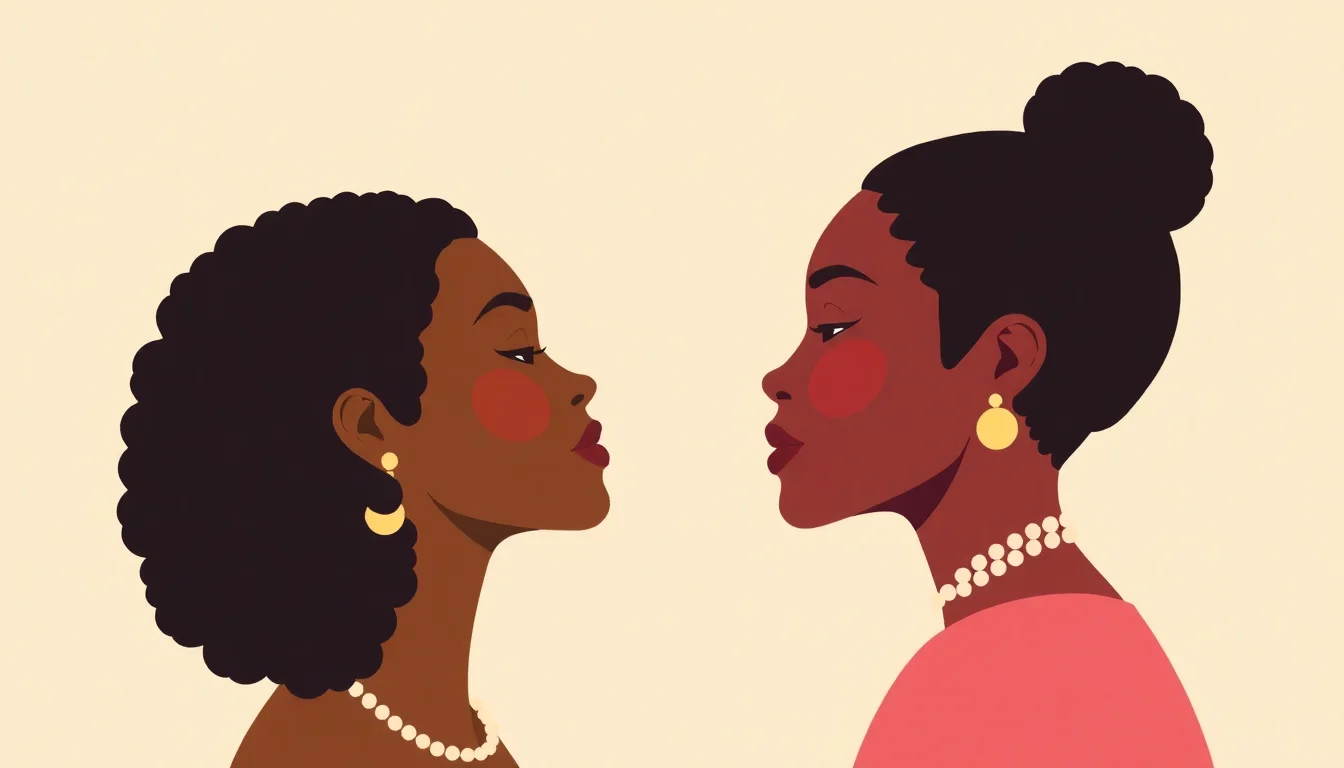
Sula is structured around the intertwined lives of Sula Peace and Nel Wright, two girls whose bond is forged in childhood and tested by adulthood. The narrative unfolds in the Bottom, a Black enclave in Ohio, where Sula’s arrival as an outsider disrupts the community’s established order. The novel delves into themes of female friendship, exploring its intensity, its capacity for both profound connection and devastating betrayal. Morrison masterfully examines the tension between individuality and community, particularly through Sula’s radical pursuit of freedom and self-expression, which clashes with Nel’s desire for conventional belonging. Other key themes include the legacy of trauma, the complexities of motherhood, the destructive nature of societal repression, and the search for identity within a marginalized community. The novel’s cyclical structure, marked by the recurring motif of the Chicken Little fable and the presence of the one-eyed boy, underscores the enduring nature of fate and community memory.
📊 Key Facts & Numbers
Sula was published in 1973, making it Morrison's second novel. The novel is set in the fictional town of Medallion, Ohio, specifically in a Black neighborhood known as the Bottom. The story spans approximately 50 years, from the early 1920s to the 1960s. The character of Sula Peace is introduced as a young girl and her story is followed until her death at age 30. The novel features a cast of over 30 named characters, each contributing to the rich tapestry of the Bottom community. Sula has sold over 5 million copies worldwide since its initial publication. It was a finalist for the National Book Award in 1974. The novel has been translated into over 20 languages, reaching a global audience of millions. The film adaptation, released in 2023, garnered significant attention, further boosting the novel's reach.
👥 Key People & Organizations
The central figures of Sula are the titular character, Sula Peace, a fiercely independent and unconventional woman, and her childhood best friend, Nel Wright, who embodies a more conventional path. Toni Morrison, the author, meticulously crafted these characters to explore contrasting facets of Black female experience. Other pivotal characters include Jude Green, Nel's husband, whose infidelity serves as a catalyst for change; Shadrack, a World War I veteran whose trauma shapes his life and the community's rituals; and Eva Peace, Sula's formidable grandmother, a matriarchal figure whose past actions cast a long shadow. The community of the Bottom itself acts as a collective character, its traditions, judgments, and resilience shaping the lives of its inhabitants. Morrison, through her editorial work at Random House, championed Black voices, and Sula stands as a testament to her commitment to representing complex Black lives.
🌍 Cultural Impact & Influence
Sula's publication in 1973 was a watershed moment for American literature, particularly for its nuanced and unapologetic portrayal of Black women. The novel challenged prevailing stereotypes, presenting characters who were complex, flawed, and fiercely individualistic. It significantly influenced the trajectory of Black feminist literature, providing a powerful exploration of female friendship and autonomy that resonated deeply with readers and scholars alike. The novel's lyrical prose and innovative narrative structure inspired countless writers, including Alice Walker and Maya Angelou, who were also exploring themes of Black identity and womanhood. Sula's enduring impact is evident in its consistent presence on university syllabi and its continued critical re-evaluation, solidifying its status as a cornerstone of modern American fiction. The novel's themes of community, isolation, and the search for self continue to spark dialogue and inspire artistic interpretations, most recently with a 2023 film adaptation.
⚡ Current State & Latest Developments
As of 2024, Sula remains a vital and widely read novel, consistently appearing on academic reading lists and in discussions of American literature. Its themes of female friendship, societal constraints, and the pursuit of individuality continue to resonate with contemporary audiences. The 2023 film adaptation, directed by Maggy Kyle, brought renewed attention to the novel, sparking discussions about its enduring relevance and Morrison's masterful storytelling. Literary critics continue to analyze the novel's complex characters and narrative techniques, uncovering new layers of meaning. The novel's exploration of the Bottom community and its inhabitants offers a rich ground for ongoing sociological and cultural studies. The enduring popularity of Toni Morrison ensures that Sula will continue to be a focal point for literary analysis and public engagement for years to come.
🤔 Controversies & Debates
The portrayal of Sula Peace as an unapologetically free woman, often interpreted as amoral or even evil by the community of the Bottom, has been a source of ongoing debate. Critics have grappled with whether Sula represents a destructive force or a necessary challenge to oppressive social norms. The novel's depiction of the Bottom itself, a community that ostracizes and ultimately condemns Sula, raises questions about collective responsibility and the consequences of conformity. Some critics have debated the extent to which Sula's actions are a product of her environment versus her inherent nature. The novel's exploration of female relationships, particularly the intense bond between Sula and Nel, has also been analyzed through various lenses, including lesbian feminist and psychoanalytic perspectives. The novel's ending, with Nel's realization of her own complicity in Sula's suffering, continues to provoke discussion about guilt, forgiveness, and the interconnectedness of lives.
🔮 Future Outlook & Predictions
The enduring legacy of Sula suggests its continued relevance for decades to come. As discussions around female agency, community dynamics, and the complexities of identity evolve, the novel offers a rich text for exploration. Future analyses may delve deeper into the intersection of race, gender, and class as depicted in the Bottom, perhaps through the lens of critical race theory or contemporary gender studies. The novel's narrative structure and poetic language will likely continue to inspire new generations of writers and artists. Furthermore, as digital humanities tools advance, new computational analyses of Toni Morrison's prose and character interactions may emerge, offering fresh insights into the novel's intricate construction. The potential for further adaptations, perhaps in different media, also remains, ensuring Sula’s story continues to find new audiences.
💡 Literary Significance
Sula's primary application is as a profound literary work, offering deep insights into the human condition, particularly within the context of the Black American experience. It serves as a vital text for understanding the complexities of female friendship, societal pressures, and the struggle for self-definition. Academically, it is a cornerstone for courses in American literature, Black studies, and gender studies, providing rich material for critical analysis and discussion. For aspiring writers, Sula offers a masterclass in narrative technique, character development, and evocative prose. Beyond the classroom, the novel's exploration of themes like alienation, community, and resilience offers a framework for understanding personal and societal challenges, making it a source of reflection and inspiration for general readers seeking to engage with powerful storytelling.
Key Facts
- Year
- 1973
- Origin
- United States
- Category
- culture
- Type
- topic
Frequently Asked Questions
What is the main theme of Toni Morrison's Sula?
The central theme of Sula revolves around the complex and often fraught nature of female friendship, particularly between Sula Peace and Nel Wright. It also deeply explores the tension between individual freedom and societal expectations, the consequences of repression, and the search for identity within a marginalized community. Morrison uses the fictional Bottom community in Ohio to examine how societal norms can both nurture and stifle individuals, especially women who dare to deviate from the expected path.
Who are the main characters in Sula?
The two central characters in Sula are Sula Peace and Nel Wright, whose lifelong friendship forms the novel's emotional core. Sula is depicted as an unconventional, free-spirited woman who challenges the norms of their community, while Nel represents a more conventional path, seeking belonging and stability. Other significant characters include Jude Green, Nel's husband, whose actions profoundly impact their relationship; Eva Peace, Sula's formidable and enigmatic grandmother; and Shadrack, a veteran whose experiences highlight the community's collective trauma.
What is the significance of the Bottom in Sula?
The Bottom, the fictional Black neighborhood in Medallion, Ohio, where Sula is set, functions as more than just a backdrop; it is a character in itself. It represents a microcosm of Black American life, complete with its own traditions, values, and internal conflicts. The Bottom embodies both community solidarity and the pressures of conformity. Its isolation and unique culture shape the lives and choices of its inhabitants, and its collective judgment plays a crucial role in the novel's unfolding drama, particularly in its treatment of Sula Peace. The name 'Bottom' itself suggests a marginalized space, yet one with its own rich history and resilience.
How did Sula influence Black literature?
Sula was a groundbreaking novel that significantly impacted Black literature by offering a complex, unflinching portrayal of Black women that defied stereotypes. It provided a powerful exploration of female friendship and autonomy, influencing subsequent generations of writers, particularly within Black feminist circles. Toni Morrison's innovative narrative style and lyrical prose also set a new standard for literary expression. The novel's willingness to delve into the darker aspects of community dynamics and individual psychology opened new avenues for thematic exploration, solidifying its place as a foundational text in understanding the multifaceted experiences of Black women in America.
What are the main controversies surrounding Sula?
The primary controversy surrounding Sula centers on the character of Sula Peace herself. Her radical independence and defiance of community norms led some early readers and critics to view her as amoral or even evil, sparking debate about whether she represents a destructive force or a necessary challenge to oppressive social structures. The novel's exploration of female relationships, particularly the intense bond between Sula and Nel, has also been subject to varied interpretations, including those from lesbian feminist perspectives. Furthermore, the novel's unflinching depiction of community judgment and ostracism raises questions about collective responsibility and the nature of belonging.
Where can I read Sula?
Sula is widely available in print and digital formats. You can purchase new or used copies from major booksellers like Amazon.com, Barnes & Noble, and independent bookstores. The novel is also available as an e-book for devices like Kindle and Kobo, and as an audiobook narrated by acclaimed actors such as Adjoa Andoh. Many public libraries, including those accessible through services like OverDrive, offer Sula for borrowing. University and college libraries will also have copies for academic study.
What is the historical context of Sula?
Sula is set in the fictional Bottom neighborhood of Medallion, Ohio, from the early 1920s to the 1960s. This period encompasses significant historical shifts for African Americans, including the Great Migration, the Harlem Renaissance, and the Civil Rights Movement, though these are not explicitly detailed. The novel reflects the social and economic realities faced by Black communities in urban and semi-urban settings during this era, including issues of racism, limited opportunities, and the formation of strong internal community bonds. The characters' lives are shaped by the legacy of slavery and the ongoing struggle for dignity and self-determination in post-war America.