
Contents
Overview
The geological and ecological origins of the Sudanian savanna are deeply rooted in Africa's climatic history, shaped by millennia of shifting rainfall patterns and tectonic activity. This vast biome emerged as a distinct phytogeographical zone between the Sahara Desert and equatorial rainforests. Its formation is intrinsically linked to the broader evolution of the Afrotropical realm, with its characteristic flora and fauna adapting to the pronounced seasonality. Early human migrations and the development of pastoralist and agricultural societies within this region further influenced its landscape, creating a dynamic interplay between natural processes and human intervention over thousands of years. The savanna's current structure is a product of these long-term environmental forces and the historical presence of diverse human cultures, including ancient kingdoms and nomadic groups who adapted their livelihoods to its unique conditions.
⚙️ How It Works
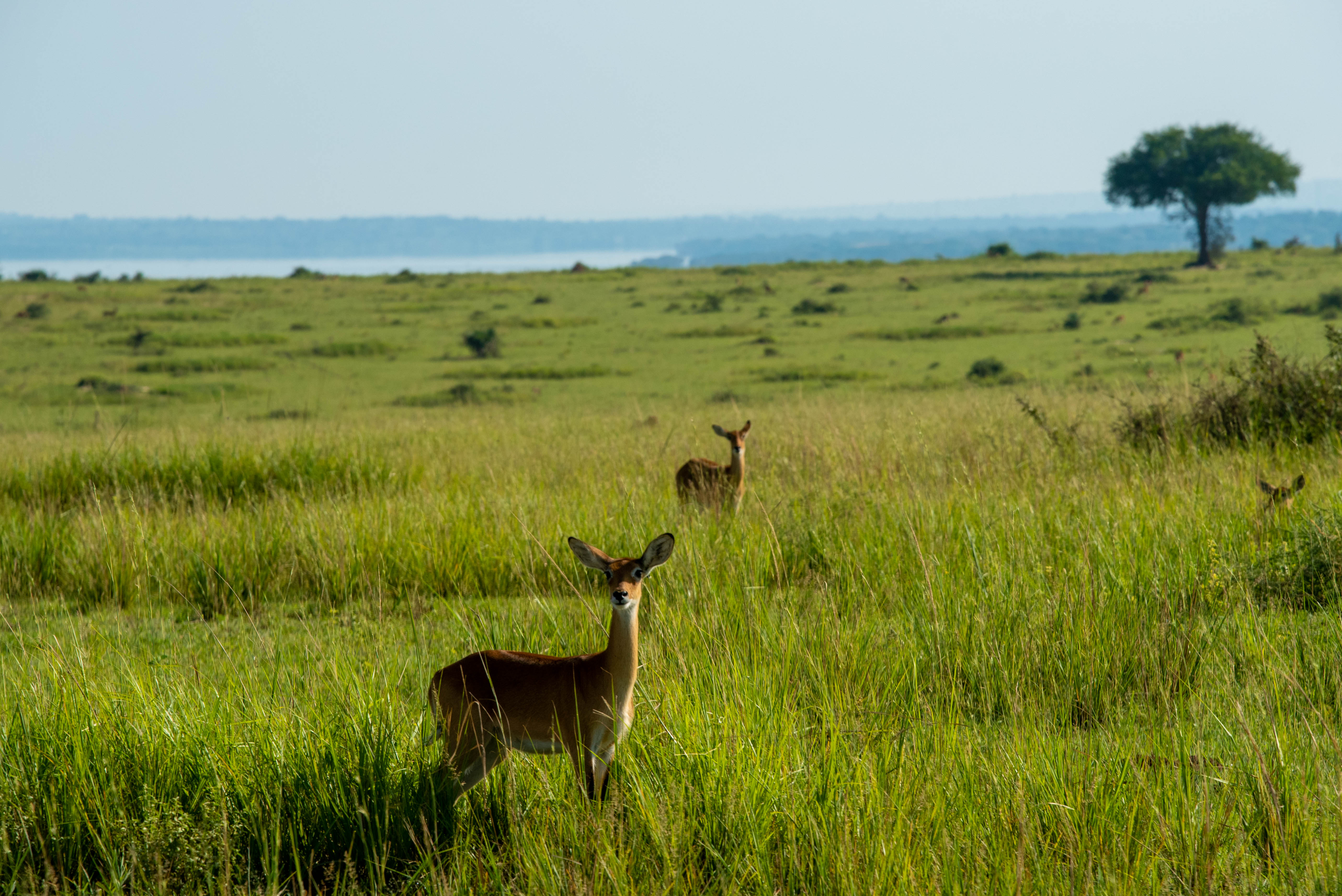
The Sudanian savanna functions as a complex ecological system governed by distinct wet and dry seasons. During the wet season, typically from May to October, rainfall fuels the growth of grasses and supports the lush canopy of scattered trees, such as Acacia senegal and Vitellaria paradoxa (shea butter tree). As the dry season sets in, vegetation dries out, and fires, both natural and human-induced, become a common feature, playing a role in nutrient cycling and preventing the encroachment of denser forest. This cyclical pattern dictates the life rhythms of its iconic wildlife, including kob, hartebeest, warthogs, and a variety of predators like lions and hyenas. The savanna's hydrological system is crucial, with numerous rivers and ephemeral watercourses supporting life and shaping the landscape, ultimately draining into larger river systems like the Niger and Chari.
📊 Key Facts & Numbers
Spanning an estimated 2.5 million square kilometers, the Sudanian savanna is one of the largest contiguous biomes on Earth. This ecoregion experiences annual rainfall ranging from approximately 400 mm in the north to 1,200 mm in the south, with a distinct dry season lasting 4-7 months. Approximately 200 million people inhabit this region, relying heavily on its resources for agriculture, with staple crops including millet, sorghum, and groundnuts. Livestock, particularly cattle, sheep, and goats, number in the tens of millions, forming the backbone of pastoral economies. According to reports from organizations like the FAO, deforestation rates in some areas have exceeded 1.5% annually, leading to a loss of over 30% of its tree cover in certain sub-regions over the past three decades.
👥 Key People & Organizations
While no single individual is solely credited with 'discovering' or defining the Sudanian savanna, its study has been advanced by numerous ecologists, geographers, and conservationists. Early explorers and colonial administrators documented its vastness and resources, laying groundwork for later scientific inquiry. Key figures in understanding African ecosystems, such as François Moulinier, have contributed to mapping its biodiversity. Organizations like the IUCN and the WWF have been instrumental in classifying and advocating for the protection of this ecoregion. Local communities and indigenous peoples, whose ancestral knowledge of land management and resource use is invaluable, are also critical stakeholders in its ongoing stewardship, though their contributions are often underrepresented in formal scientific discourse.
🌍 Cultural Impact & Influence
The Sudanian savanna has profoundly shaped the cultures, economies, and histories of the nations it traverses, including Sudan, Niger, Nigeria, Chad, Senegal, and Ethiopia. It has been the cradle for numerous civilizations, from the ancient Kingdom of Kush to more recent empires like the Kanem-Bornu Empire. The region's pastoralist traditions, exemplified by groups like the Fulani, are deeply intertwined with the savanna's grazing potential. Its rich biodiversity has inspired art, folklore, and spiritual practices across West and East Africa. The savanna's agricultural productivity, particularly its role in cereal production, has historically supported large populations and influenced trade routes, making it a vital economic engine for the continent.
⚡ Current State & Latest Developments
The Sudanian savanna is currently facing unprecedented environmental pressures. Desertification, driven by climate change and unsustainable land-use practices like overgrazing and intensive agriculture, is encroaching from the north, particularly in regions bordering the Sahel. Deforestation, fueled by demand for fuelwood, charcoal production, and agricultural expansion, continues to degrade habitats and reduce biodiversity. Poaching and human-wildlife conflict also pose significant threats to iconic species. International conservation efforts, spearheaded by organizations like the African Union and various NGOs, are attempting to implement sustainable land management strategies and promote reforestation projects, such as the Great Green Wall Initiative, though progress remains challenging amidst socio-economic and political instability in many parts of the region.
🤔 Controversies & Debates
A central controversy surrounding the Sudanian savanna revolves around land-use conflicts between pastoralists and settled agricultural communities. These tensions are often exacerbated by shrinking grazing lands and water resources due to desertification and population growth, leading to increased instances of conflict. Another debate centers on the effectiveness and equity of large-scale conservation and development projects, such as the Great Green Wall. Critics question whether these initiatives adequately involve local communities, respect traditional land rights, and address the root causes of environmental degradation, or if they primarily serve external interests. The role of international aid and governance in managing these transboundary ecosystems also remains a point of contention.
🔮 Future Outlook & Predictions
The future of the Sudanian savanna hinges on a delicate balance between conservation and human development. Projections suggest that climate change will intensify dry seasons and increase rainfall variability, potentially accelerating desertification and impacting agricultural yields. However, there is also growing recognition of the savanna's resilience and the potential for sustainable land management practices to restore degraded areas. The success of initiatives like the Great Green Wall, if effectively implemented and adapted to local contexts, could offer a pathway to ecological restoration and improved livelihoods. Furthermore, advancements in climate-resilient agriculture and community-based conservation models hold promise for securing the savanna's future, though significant investment and political will are required to overcome current challenges.
💡 Practical Applications
The Sudanian savanna is a critical resource for agriculture and pastoralism, supporting the livelihoods of millions. Its fertile soils, when managed sustainably, yield staple crops like millet, sorghum, and cowpeas, crucial for regional food security. Pastoralism, involving the herding of cattle, sheep, and goats, is a primary economic activity, with the savanna providing essential grazing lands. The region's biodiversity also offers potential for ecotourism, though this sector is underdeveloped. Furthermore, the savanna's trees, such as the baobab and shea, provide vital non-timber forest products, including fruits, nuts, and oils, which are important for local economies and nutrition. The management of water resources within the savanna is also a key practical application, influencing settlement patterns and agricultural practices.
Key Facts
- Category
- nature
- Type
- topic