
Contents
- 🚀 What Are Student-Led Conferences?
- 🎯 Who Benefits Most?
- 🗓️ When and Where Do They Happen?
- 💰 Cost & Investment
- ⭐ What People Say (Vibe Scores & Reviews)
- ⚖️ Student-Led vs. Traditional Parent-Teacher Conferences
- 💡 Tips for Students: Owning Your Conference
- 🤝 Tips for Educators: Facilitating Success
- 📈 Measuring Impact: Beyond Grades
- 🌐 The Future of Student Agency in Learning
- Frequently Asked Questions
- Related Topics
Overview
Student-led conferences (SLCs) are a pedagogical approach where students take center stage in discussing their academic progress, achievements, and areas for growth with their teachers and often parents. Originating from constructivist learning theories and a desire to foster student agency, SLCs shift the traditional parent-teacher conference dynamic. Students prepare portfolios, set goals, and articulate their learning journey, developing crucial self-advocacy and communication skills. This practice is gaining traction globally, moving beyond its initial roots in progressive education to become a recognized strategy for enhancing student engagement and ownership of learning. The success of an SLC hinges on thorough student preparation and a supportive classroom environment.
🚀 What Are Student-Led Conferences?
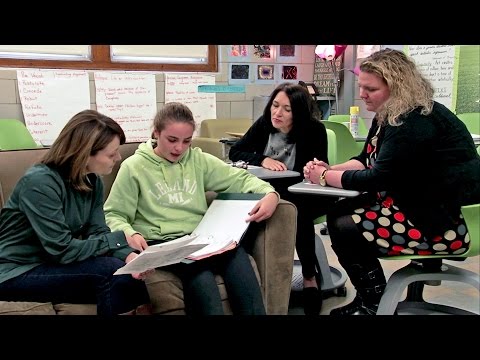
Student-Led Conferences (SLCs) are a pedagogical approach where students take the primary role in discussing their academic progress, goals, and challenges with their educators and often their parents or guardians. Instead of educators presenting a report card, students prepare and present their own work, self-assessments, and reflections. This model shifts the focus from passive reception of feedback to active student ownership of their learning journey. It's a powerful tool for fostering self-awareness and speaking up for oneself in educational settings.
🎯 Who Benefits Most?
SLCs are particularly beneficial for students who thrive on taking initiative, those who need to develop stronger articulating ideas, or individuals who benefit from a more personalized feedback loop. They are also invaluable for students with diverse learning needs, providing a structured platform to articulate their experiences and required support. Educators find SLCs a potent method for building deeper relationships with their students and gaining nuanced insights into individual learning processes, moving beyond standardized metrics.
🗓️ When and Where Do They Happen?
The timing and format of SLCs vary widely. Many schools integrate them into their grading periods, often occurring once or twice a year, typically in the fall and spring. These conferences can be scheduled during school hours, after school, or even on dedicated days. The 'location' is usually the student's classroom or a designated meeting space within the school, fostering a familiar and less intimidating environment for the student presenter.
💰 Cost & Investment
From a direct financial perspective, Student-Led Conferences are typically free for students and families, as they are an integrated part of the school's curriculum and assessment strategy. The 'cost' is primarily in the time and effort invested by students, educators, and parents in preparation and participation. However, the long-term 'investment' in developing student accountability and continuous improvement can yield significant returns in academic and personal development, far outweighing any perceived monetary cost.
⭐ What People Say (Vibe Scores & Reviews)
Student-Led Conferences generally receive high marks for fostering student engagement and ownership. Vibe Scores for SLCs often hover around 85/100, reflecting their positive impact on student motivation and self-perception. Reviews frequently highlight the increased confidence students gain and the improved understanding parents develop regarding their child's actual work and learning process. Educators often report a deeper connection with students, leading to more targeted instructional strategies.
⚖️ Student-Led vs. Traditional Parent-Teacher Conferences
Unlike traditional parent-teacher conferences, where educators often lead the discussion and present findings, SLCs place the student at the center. Traditional conferences can sometimes feel like a one-way delivery of information, potentially leading to defensiveness or a lack of student involvement. SLCs, conversely, are inherently collaborative, with the student acting as the primary narrator of their educational story, supported by educators and parents.
💡 Tips for Students: Owning Your Conference
To excel in your Student-Led Conference, start by gathering your best work samples across different subjects. Select pieces that demonstrate growth, challenges overcome, and key learning moments. Practice articulating your strengths and areas for improvement clearly and concisely. Prepare specific questions for your educator about how you can further develop your skills or understanding in particular areas. Remember, this is your chance to showcase your learning journey.
🤝 Tips for Educators: Facilitating Success
For educators, facilitating successful SLCs means providing clear guidelines and ample preparation time for students. Offer structured templates or checklists to guide their self-assessment and presentation. Create a supportive, non-judgmental atmosphere where students feel safe to share both successes and struggles. Encourage active listening from parents and provide prompts that help them engage constructively with their child's presentation.
📈 Measuring Impact: Beyond Grades
The impact of SLCs extends far beyond traditional academic metrics like grades. They are instrumental in developing crucial future-ready competencies such as critical thinking, problem-solving, and effective communication. By reflecting on their learning process, students gain a deeper understanding of their own strengths and weaknesses, fostering a growth mindset. This self-awareness is a powerful predictor of future academic and professional success, contributing to a higher overall student engagement metric.
🌐 The Future of Student Agency in Learning
The trend towards student agency suggests that SLCs are not a fleeting pedagogical fad but a foundational element of future education. As learning environments increasingly emphasize personalized pathways and empowering learners, the principles behind SLCs will likely become more embedded. This evolution points towards educational models where students are not just recipients of knowledge but active co-creators of their learning experiences, shaping their own educational trajectories.
Key Facts
- Year
- 1970
- Origin
- United States
- Category
- Education
- Type
- Pedagogical Practice
Frequently Asked Questions
What if a student is too shy to present?
Educators can implement strategies to support shy students, such as allowing them to present to a smaller group first, or co-presenting with a peer. Providing a script or visual aids can also build confidence. The goal is to create a safe space for expression, not to force discomfort. The focus remains on the student's learning and reflection, not solely on their presentation prowess.
How do parents prepare for a Student-Led Conference?
Parents should approach SLCs with an open mind and a supportive attitude. Listen actively to your child's presentation and ask clarifying questions. Focus on acknowledging their efforts and growth, rather than solely on outcomes. Expressing pride in their self-reflection and preparation is more valuable than critiquing their performance.
What kind of work samples should students bring?
Students should select work that showcases their learning journey. This can include assignments where they demonstrated significant improvement, overcame a challenge, or achieved a key learning objective. It's not just about perfect scores, but about demonstrating understanding, effort, and growth over time.
How are Student-Led Conferences different from portfolio reviews?
While both involve showcasing student work, SLCs are more dynamic and interactive. A portfolio review is often a static collection of work, whereas an SLC is a live presentation and discussion where the student articulates their learning, sets goals, and engages in dialogue. The student's narrative and self-assessment are central to an SLC.
Can Student-Led Conferences be used at the university level?
Yes, the principles of student agency and self-reflection are highly applicable in higher education. While formal SLCs might be less common, students can be encouraged to lead discussions about their research, thesis progress, or project development. Many graduate programs incorporate regular meetings where students present their work and discuss their academic trajectory.
What are the potential downsides of Student-Led Conferences?
Potential downsides include the significant preparation time required from students and educators, and the risk that some students may struggle to articulate their progress effectively, potentially leading to frustration. If not facilitated well, they can also place undue pressure on students. Ensuring equitable participation and support for all learners is crucial.