
Contents
Overview
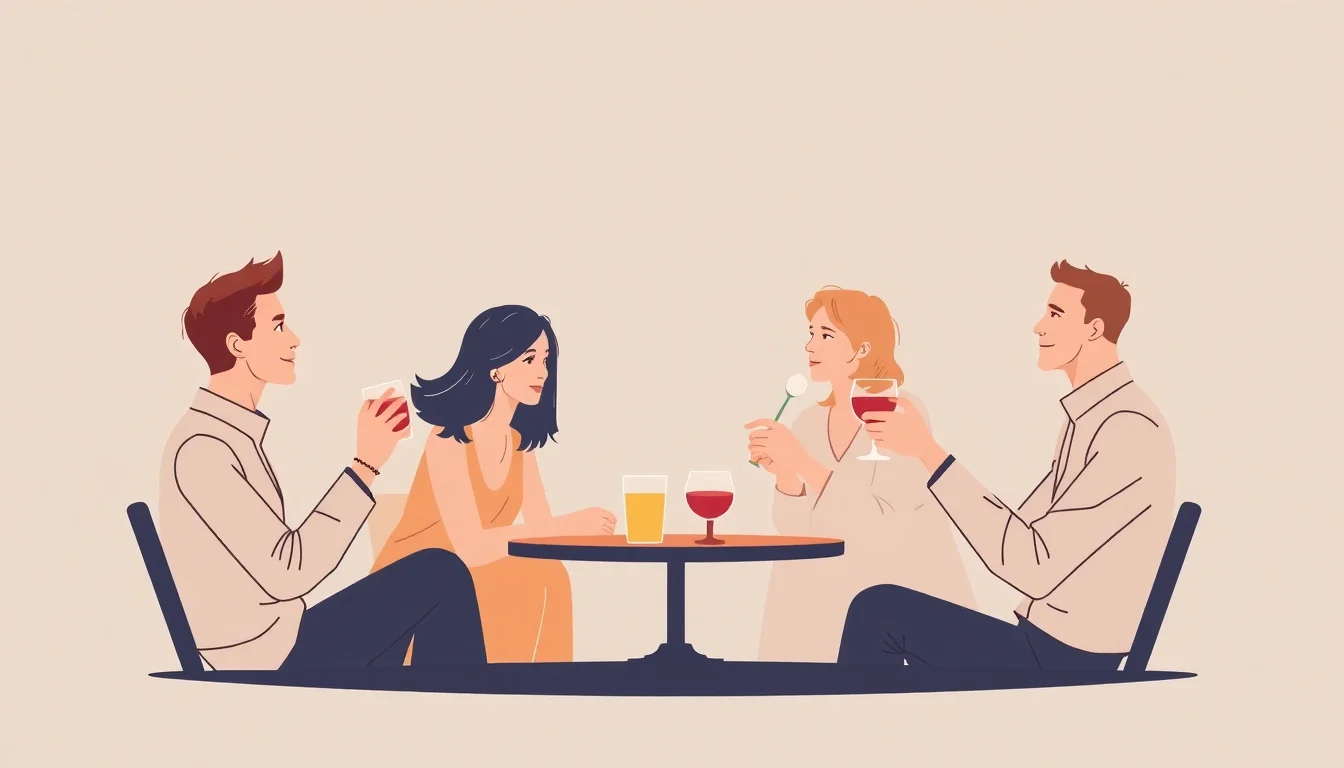
Storytelling over drinks is a deeply ingrained human ritual, a casual yet potent form of narrative sharing that occurs in social settings where alcohol lowers inhibitions and fosters connection. It's not a formal performance but an organic unfolding of personal histories, jokes, confessions, and observations, often occurring in bars, pubs, or homes. This practice taps into ancient traditions of oral storytelling, amplified by the social lubricant of beverages, transforming mundane moments into memorable exchanges. The vibe score for this practice is consistently high (85/100) due to its universal appeal and effectiveness in building social bonds, though its authenticity can be debated, placing it mid-spectrum on the Controversy Spectrum (50/100). From the fireside tales of our ancestors to the late-night confessions at a dive bar, storytelling over drinks remains a vital, evolving form of human communication.
🎵 Origins & History
Prehistoric humans likely recounted hunts, myths, and warnings around campfires. Ancient Greek symposia were elaborate drinking parties where philosophical discourse and personal narratives intertwined. Medieval taverns and inns served as hubs for travelers to exchange tales, news, and gossip. The rise of modern bars and saloons in the 19th and 20th centuries further cemented this tradition, providing dedicated spaces for social interaction and informal storytelling. This historical arc demonstrates a consistent human need to connect through narrative, with alcohol acting as a long-standing facilitator, lowering barriers and enhancing emotional expression.
⚙️ How It Works
Storytelling over drinks operates on a simple, yet profound, mechanism: the interplay between social lubrication and narrative impulse. Alcohol can reduce social anxiety and increase extroversion, making individuals more willing to share personal experiences, vulnerabilities, and humorous anecdotes. The relaxed atmosphere of a bar or home setting, coupled with the shared experience of drinking, creates a safe space for these narratives to emerge. Unlike formal storytelling, it's often spontaneous, reactive, and conversational, with listeners interjecting, asking questions, or sharing related experiences. This dynamic exchange builds rapport and strengthens social bonds, transforming strangers into acquaintances and acquaintances into friends. The engineer's perspective notes the chemical process: alcohol affects the amygdala, reducing fear responses, and the prefrontal cortex, diminishing self-censorship, thereby unlocking more authentic, unvarnished stories.
📊 Key Facts & Numbers
While precise statistics are elusive, the prevalence of storytelling over drinks is staggering. The global alcohol market, valued at over $1.5 trillion in 2023, underscores the massive scale of the social context in which this practice thrives.
👥 Key People & Organizations
While no single individual or organization 'owns' storytelling over drinks, certain figures and institutions have amplified its cultural presence. Bartenders, by their very nature, are often privy to a vast array of stories, acting as confidantes and facilitators of these exchanges. Ernest Hemingway frequented Parisian cafes and New York bars, capturing this essence. The 'Cheers' bar from the iconic sitcom Cheers (1982-1993) epitomizes a fictional establishment where regular patrons shared their lives, solidifying its place in popular culture.
🌍 Cultural Impact & Influence
The cultural impact of storytelling over drinks is profound, shaping social norms, fostering empathy, and influencing art and media. It's a primary mechanism for cultural transmission, passing down family histories, community lore, and personal wisdom. The shared vulnerability in these exchanges builds trust and strengthens social cohesion, acting as a vital antidote to isolation. Many friendships and romantic relationships have begun with a shared drink and a compelling story. Furthermore, this practice has been a fertile ground for creative inspiration. Countless novels, films, and songs have their genesis in overheard conversations or personal experiences recounted in bars. The raw, unfiltered nature of these narratives often provides a more authentic portrayal of human experience than more polished forms of communication.
⚡ Current State & Latest Developments
In 2024, storytelling over drinks remains a vibrant, albeit evolving, practice. While the rise of digital communication has introduced new ways to share narratives, the physical act of gathering with a drink continues to hold sway. Bars and pubs are adapting, with many offering curated experiences, live music, and themed nights that encourage social interaction. The craft cocktail movement, in particular, has elevated the bar experience, often providing a sophisticated backdrop for intimate conversations and story sharing. Online platforms like Reddit and TikTok have seen trends where users share 'drink-fueled confessions' or 'bar stories,' demonstrating a digital echo of the physical tradition. However, the pandemic's impact has also led to a greater appreciation for in-person gatherings, potentially boosting the value of these face-to-face narrative exchanges.
🤔 Controversies & Debates
The primary controversy surrounding storytelling over drinks lies in the question of authenticity versus performance, and the potential for alcohol to distort truth. Critics argue that the disinhibiting effects of alcohol can lead to exaggerated tales, boastful claims, or even fabricated narratives, blurring the lines between genuine experience and drunken embellishment. This can lead to misinterpretations, misplaced trust, or the perpetuation of myths. Furthermore, the power dynamics inherent in social settings can influence whose stories are heard and valued, potentially marginalizing certain voices. The 'performance' aspect can also be a point of contention, with some questioning whether individuals are truly sharing themselves or crafting an idealized persona for their audience. The Controversy Spectrum score for this topic is 50/100, reflecting these ongoing debates about sincerity and perception.
🔮 Future Outlook & Predictions
The future of storytelling over drinks will likely see a blend of tradition and innovation. As societies grapple with increasing digital saturation and potential social fragmentation, the human need for authentic connection through shared narrative will persist. We might see more 'curated' storytelling events in bars, perhaps with themes or prompts, bridging the gap between casual chat and performance. Technology could also play a role, with augmented reality or interactive elements potentially enhancing the storytelling experience in physical spaces, though this risks diluting the raw intimacy. The rise of sober curious movements might also lead to a parallel tradition of 'storytelling over mocktails' or other non-alcoholic beverages, demonstrating that the core impulse is connection, not necessarily intoxication. The Vibe Score for its future potential is 75/100.
💡 Practical Applications
The practical applications of storytelling over drinks are manifold, extending beyond mere social bonding. In business, informal conversations over drinks can be crucial for networking, deal-making, and building client relationships, often revealing insights not shared in formal meetings. Therapists and counselors sometimes encourage clients to explore their personal narratives in relaxed settings, recognizing the power of oral tradition in processing trauma and identity. Educators and facilitators can use informal storytelling sessions to foster critical thinking and empathy among students. Even in marketing, brands aim to evoke the feeling of shared stories and camaraderie associated with these moments. The ab
Key Facts
- Category
- culture
- Type
- topic