
Summary
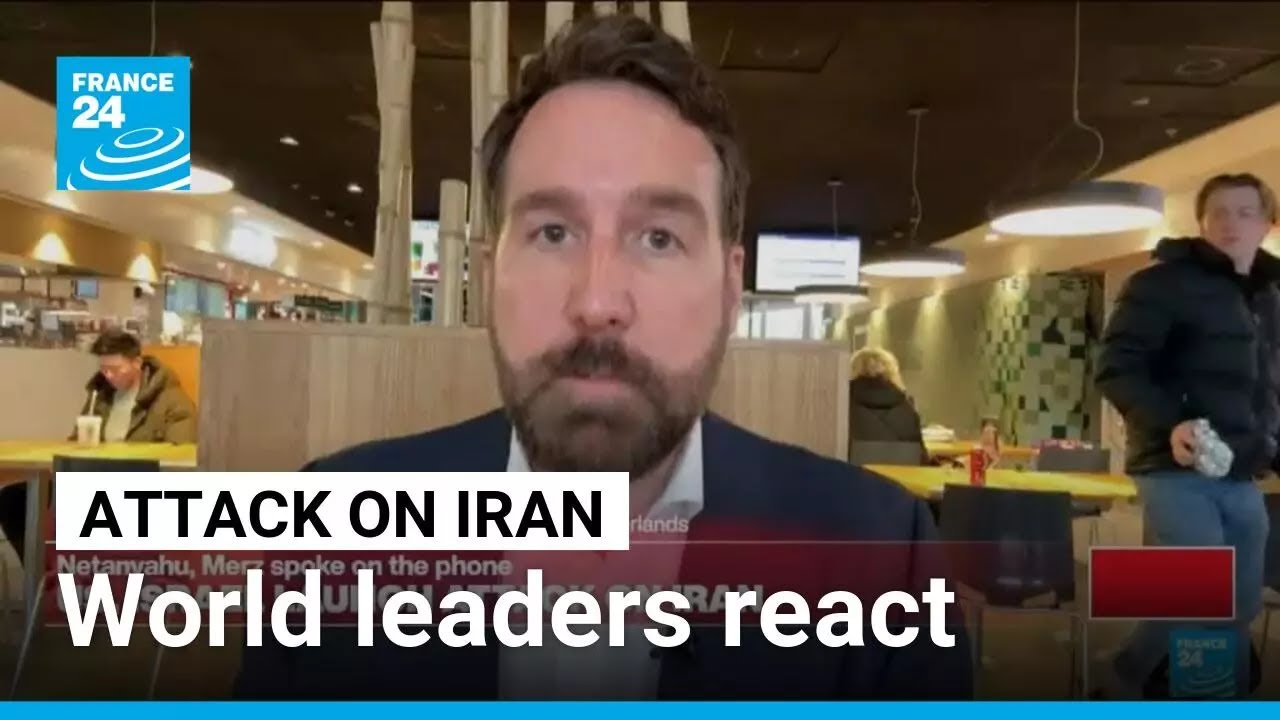
The recent **US and Israeli strikes on Iran** have sparked cautious reactions from world leaders, with many calling for **de-escalation** and **diplomacy**. The strikes, which occurred on **February 28, 2026**, have raised concerns about the potential for **regional instability** and **global security implications**. As the situation continues to unfold, leaders from **Europe**, **Asia**, and the **Middle East** are urging restraint and dialogue to prevent further escalation. The **United Nations** has also issued a statement calling for **calm and restraint**. The situation remains volatile, with **Iran** vowing to **retaliate** against the strikes.
Key Takeaways
- The US and Israeli strikes on Iran have sparked cautious reactions from world leaders.
- The international community is calling for de-escalation and diplomacy to prevent further conflict.
- The situation remains volatile, with Iran vowing to retaliate against the strikes.
- The US and Israel have stated that the strikes were necessary to protect national security interests.
- The European Union has called for an emergency meeting to discuss the situation.
Balanced Perspective
The situation is **complex** and **multifaceted**, with various **interests** and **motivations** at play. The **US** and **Israel** have **strategic interests** in the region, while **Iran** has **regional ambitions**. The **international community** is **divided**, with some leaders calling for **action** and others urging **caution**. The **United Nations** has a **key role** to play in **promoting peace** and **stability**, but its **effectiveness** may be **limited** by **political divisions**. The **European Union** is also **divided** on how to respond to the crisis.
Optimistic View
The cautious reactions from world leaders may indicate a **desire for diplomacy** and **de-escalation**, which could potentially lead to a **peaceful resolution**. The **US** and **Israel** may be willing to **negotiate** with **Iran** to address concerns about **regional security**, and the **international community** may be able to **facilitate** a **dialogue**. Additionally, the **United Nations** may play a key role in **mediating** the conflict and **promoting peace**. The **European Union** has also offered to **host talks** between the parties involved.
Critical View
The strikes on **Iran** may be the **spark** that sets off a **wider conflict** in the **Middle East**, with **far-reaching consequences** for **global security**. The **US** and **Israel** may be **underestimating** the **determination** of **Iran** to **retaliate**, and the **international community** may be **powerless** to **stop** the **escalation**. The **United Nations** may be **unable** to **prevent** a **wider war**, and the **European Union** may be **divided** and **ineffective** in responding to the crisis. The **global economy** may also be **impacted** by the crisis, with **oil prices** potentially **spiking**.
Source
Originally reported by PBS