
Summary
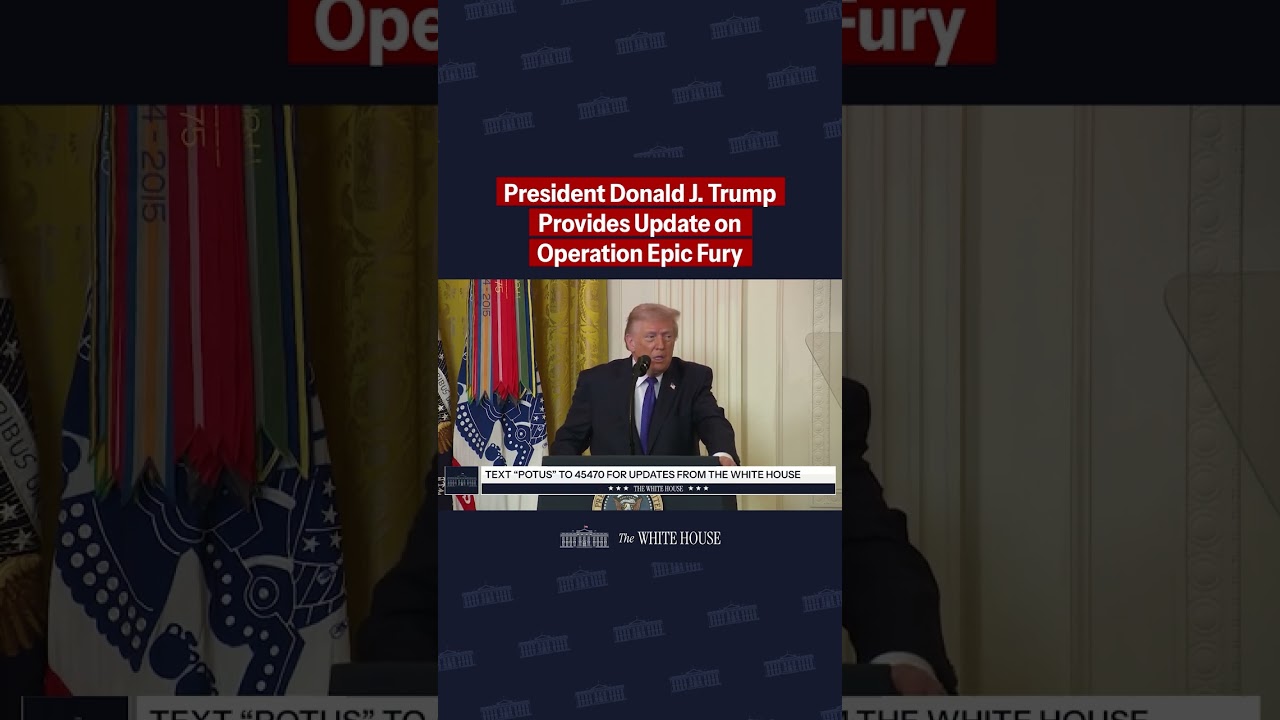
The **US House of Representatives** has rejected a bid to halt **President Donald Trump**'s military action in **Iran**, with the **White House** praising the decision. The move has sparked debate on **war powers** and the role of **Congress** in approving military action. The conflict, which began last Saturday, has raised concerns about the **US**'s involvement in the region and the potential for escalation. The **US** and **Israel** have launched strikes against **Iranian** targets, with the **White House** citing **Iran**'s 'murderous ambitions' as justification. For more information, see [[iran|Iran]], [[us-congress|US Congress]], and [[war-powers|War Powers]]. The decision has been met with criticism from **Democrats**, who argue that **Trump** has ignored congressional input and offered vague reasons for the war. **Republicans**, on the other hand, have largely supported the president's actions, with some expressing concerns about the potential for the conflict to expand or drag on. See [[democratic-party|Democratic Party]] and [[republican-party|Republican Party]] for more information on the parties' stances.
Key Takeaways
- The US House of Representatives rejected a bid to halt President Trump's military action in Iran
- The US and Israel launched military action in Iran last Saturday
- The White House cited Iran's 'murderous ambitions' as justification for the military action
- The decision by Congress to reject the bid to halt military action could have far-reaching consequences for the balance of power between the executive and legislative branches
- The conflict could have significant economic and humanitarian consequences, including the potential for oil price shocks and refugee crises
Balanced Perspective
The **US**'s military action in **Iran** is a complex issue, with both supporters and critics raising valid points. While the **White House** has cited **Iran**'s aggressive behavior as justification, others argue that the move is a violation of **Iran**'s sovereignty and could lead to further escalation. The role of **Congress** in approving military action is also a topic of debate, with some arguing that the **War Powers Resolution** is necessary to ensure that the president does not overstep their authority. See [[war-powers-resolution|War Powers Resolution]] for more information on the law. The decision by **Congress** to reject the bid to halt military action could be seen as a reflection of the current political climate, with **Republicans** largely supporting the president's actions and **Democrats** expressing opposition.
Optimistic View
The **US**'s military action in **Iran** could be a necessary step to protect American interests and prevent **Iran**'s 'murderous ambitions' from threatening regional stability. With the **White House** citing **Iran**'s aggressive behavior as justification, the move could be seen as a proactive measure to prevent further conflict. Additionally, the **US**'s involvement could help to strengthen alliances with regional partners, such as **Israel**. See [[israel|Israel]] for more information on the country's role in the conflict. The decision by **Congress** to reject the bid to halt military action could also be seen as a show of support for the president's authority as Commander-in-Chief, as outlined in the [[us-constitution|US Constitution]].
Critical View
The **US**'s military action in **Iran** is a reckless and potentially disastrous move that could lead to further conflict and destabilization in the region. The **White House**'s justification for the move, citing **Iran**'s 'murderous ambitions', is vague and unconvincing, and the decision by **Congress** to reject the bid to halt military action could be seen as a dereliction of their duty to oversee the president's actions. The move could also damage the **US**'s relationships with other countries in the region, such as **Iraq** and **Turkey**, and could lead to a wider conflict. See [[iraq|Iraq]] and [[turkey|Turkey]] for more information on the countries' roles in the region. The **US**'s involvement in the conflict could also have significant economic and humanitarian consequences, including the potential for **oil price shocks** and **refugee crises**.
Source
Originally reported by BBC