
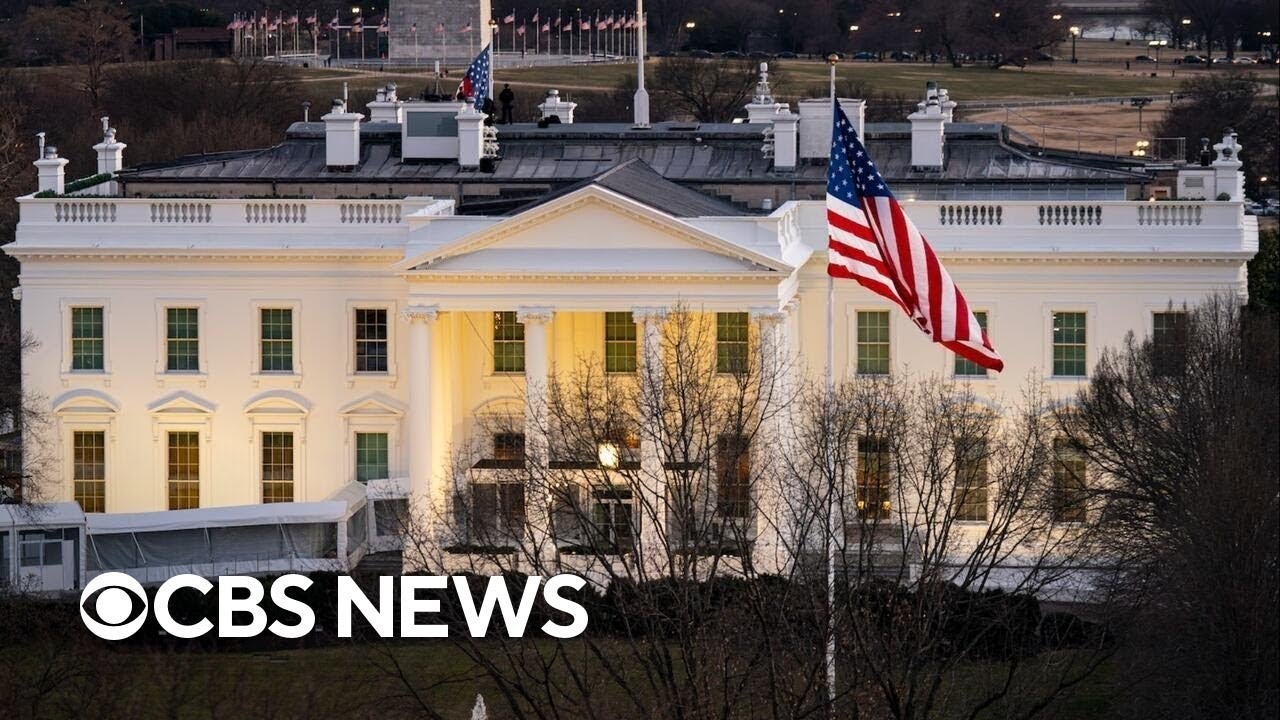
Summary
**White House** released a 120-page AI policy blueprint aimed at establishing federal oversight of artificial intelligence, but the proposal has already sparked partisan clashes in **Congress**. The document outlines 18 principles covering data privacy, algorithmic transparency, and workforce impacts, but critics argue it lacks enforceable mechanisms. [[artificial-intelligence|AI]] regulation has become a flashpoint in the broader tech policy debate, with **Democrats** pushing for stricter controls and **Republicans** warning of regulatory overreach. The blueprint's release follows months of behind-the-scenes negotiations between the **White House** and **Congress**, revealing deep divisions over how to balance innovation with accountability. [[politics|Politics]] in Washington is now at a crossroads, with the AI policy debate likely to shape the 2026 midterms. [[federal-legislation|Federal Legislation]] on AI is expected to become a major legislative battleground in the coming months.
Key Takeaways
- The White House blueprint proposes 18 AI governance principles but lacks enforceable mechanisms
- Congressional gridlock threatens to stall meaningful **AI** regulation
- Voluntary compliance frameworks risk allowing **Big Tech** to evade oversight
- The debate reflects deeper tensions between innovation and accountability in **technology**
- Global **AI** governance standards are emerging, with the U.S. lagging behind the EU
Balanced Perspective
The **White House**'s AI blueprint is a comprehensive attempt to address growing concerns about **AI**'s societal impact, but its success hinges on **Congress**' ability to translate principles into enforceable laws. The document's emphasis on voluntary compliance rather than mandatory regulations reflects a pragmatic approach to navigating partisan divides. **Democrats** and **Republicans** have both expressed support for specific elements, such as data privacy protections, but disagree on the scope of federal oversight. The proposal's lack of clear enforcement mechanisms means it remains a political statement rather than a binding policy.
Optimistic View
**The White House** blueprint offers a rare bipartisan framework to address AI's societal risks, with 12 of its 18 principles endorsed by both parties. By codifying ethical guidelines for **AI** development, the proposal could create a level playing field for tech companies and protect vulnerable populations from biased algorithms. **Congress**'s eventual adoption of the blueprint would mark a historic shift toward proactive regulation, setting a global standard for **AI** governance. [[tech-policy|Tech Policy]] experts argue this could spur responsible innovation while preventing the worst excesses of unregulated **AI**.
Critical View
The **White House**'s AI blueprint is a hollow gesture that fails to address the most pressing **AI** risks, such as algorithmic bias and job displacement. By focusing on voluntary guidelines rather than enforceable rules, the proposal risks becoming a symbolic gesture that allows tech giants to evade meaningful oversight. **Congress**' partisan gridlock means the blueprint is unlikely to pass, leaving the U.S. without a coherent **AI** policy framework. This vacuum could embolden **Big Tech** to prioritize profit over public good, exacerbating existing inequalities.
Source
Originally reported by Politico