
Summary
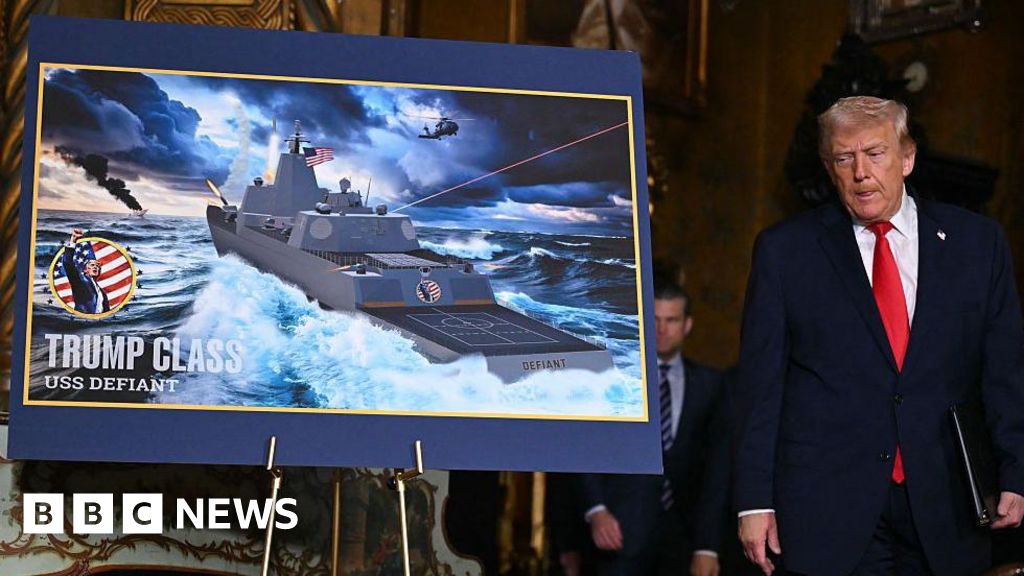
The White House has proposed a **$1.5tr** US defence budget, the largest expansion in military spending since the Second World War. The budget includes funding for the **Golden Dome missile defence system** and a boost in domestic production of naval vessels, including **Trump-class battleships**. This proposal is paired with a call for **10% cuts** in non-defence spending, affecting climate, housing, and education programmes. The administration argues that this shift in priorities is necessary for **military protection**, while critics argue that it will harm vulnerable populations. The proposal also includes **$65.8 billion in shipbuilding funding** and **pay rises for troops**. The budget has sparked debate on national priorities, with some arguing that it is necessary to counter **China's growing military presence**, while others argue that it will exacerbate existing social and economic issues. For more information, see [[us-military|US Military]], [[donald-trump|Donald Trump]], and [[us-budget|US Budget]].
Key Takeaways
- The White House has proposed a $1.5tr US defence budget, the largest expansion in military spending since the Second World War
- The budget includes funding for the Golden Dome missile defence system and a boost in domestic production of naval vessels
- The proposal includes a 10% cut in non-defence spending, affecting climate, housing, and education programmes
- The proposed defence budget has significant implications for US national security, global stability, and domestic spending
- Citizens can respond to the proposed defence budget by contacting their representatives and expressing their concerns
Balanced Perspective
The proposed defence budget is a complex issue with both positive and negative aspects. On the one hand, the investment in **military modernization** and **shipbuilding** will help to ensure **US military readiness** and maintain its position as a global leader. On the other hand, the cuts in domestic spending will have a significant impact on vulnerable populations, particularly in areas such as **climate change** and **education**. The proposal also raises questions about the role of the US military in global affairs and the potential for **military intervention**. For more information, see [[us-military-readiness|US Military Readiness]] and [[global-affairs|Global Affairs]].
Optimistic View
The proposed defence budget is a necessary step to ensure **US national security** and maintain its position as a global leader. The investment in **shipbuilding** and **missile defence** will help to counter the growing military presence of **China** and other adversaries. The **pay rises for troops** will also help to improve morale and retention in the military. Additionally, the **budget reconciliation** process will provide a significant boost to the industrial defence base, creating jobs and stimulating economic growth. For more information, see [[us-national-security|US National Security]] and [[industrial-defence-base|Industrial Defence Base]].
Critical View
The proposed defence budget is a misguided and **fiscally irresponsible** decision that will have severe consequences for the US economy and society. The **$1.5tr** price tag will lead to significant **deficit spending**, which will harm the economy and increase the national debt. The cuts in domestic spending will also have a devastating impact on vulnerable populations, particularly in areas such as **climate change** and **education**. Additionally, the proposal will lead to increased **military intervention** and **conflict**, which will harm global stability and security. For more information, see [[us-economy|US Economy]] and [[fiscal-responsibility|Fiscal Responsibility]].
Source
Originally reported by BBC