
Summary
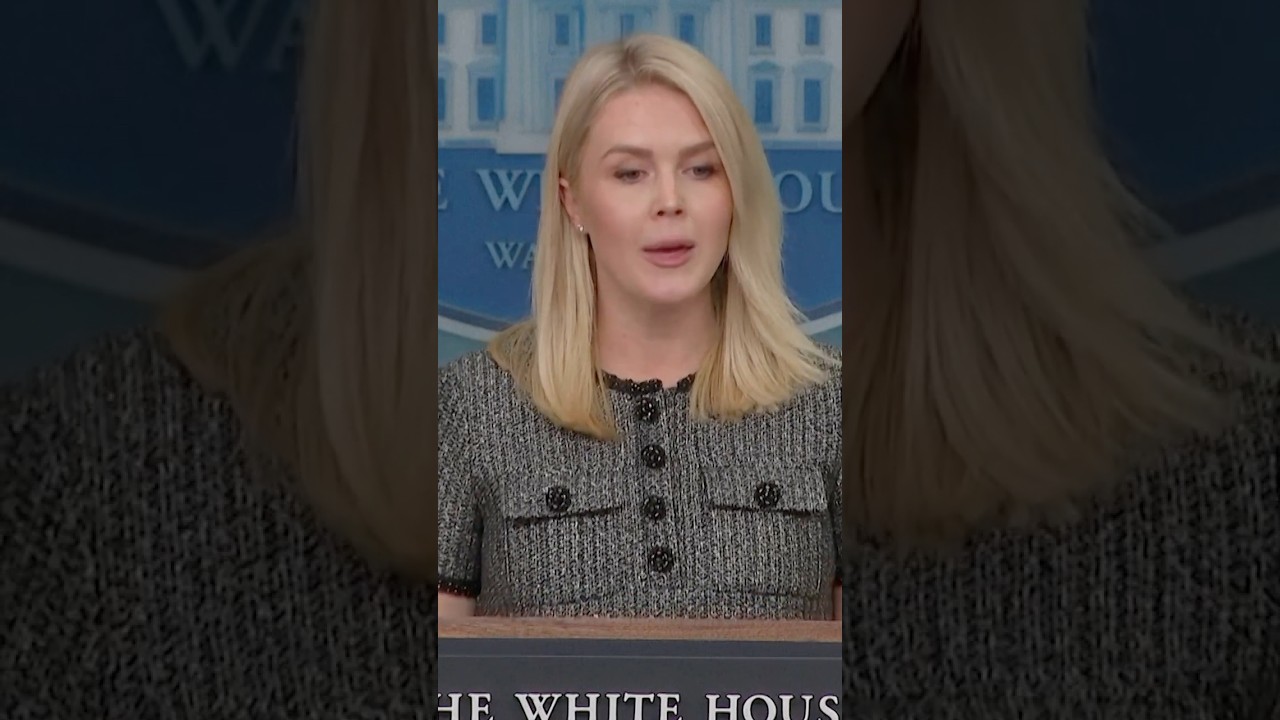
The White House has sent **mixed signals** on **President Trump's** latest tariff threat, leaving experts and lawmakers uncertain about the administration's intentions. The president announced earlier this week that he would **immediately impose a 50 percent duty** on imports from any country that supplies weapons to **Iran**. However, White House advisers have since **downplayed the threat**, citing the need for **further review** and **consultation with allies**. The controversy has sparked a heated debate, with some arguing that the tariffs would **harm the US economy** and others claiming they would **deter Iran's aggressive behavior**. The situation is further complicated by the **US-Iran tensions**, which have been escalating in recent months. For more information on the US-Iran conflict, see [[us-iran-relations|US-Iran Relations]]. The White House's mixed messages have also raised questions about the **role of the President's advisers** in shaping his policy decisions. As noted by [[white-house-advisers|White House Advisers]], the administration's stance on tariffs is a key aspect of its economic policy.
Key Takeaways
- The White House has sent mixed signals on the tariff threat, leaving experts and lawmakers uncertain about the administration's intentions
- The president announced a 50 percent duty on imports from any country that supplies weapons to Iran
- White House advisers have downplayed the threat, citing the need for further review and consultation with allies
- The situation has implications for US-Iran relations, global stability, and the US economy
- The effectiveness of tariffs as a tool of foreign policy is debated among experts
Balanced Perspective
The White House's mixed messages on the tariff threat reflect the **complexity** of the issue and the **divergent views** within the administration. While some advisers may be **pushing for a tougher stance** on Iran, others may be **urging caution** and **diplomacy**. The situation is **fluid** and **subject to change**, and it's **unclear** what the final outcome will be. The US has a long history of using a combination of **diplomacy** and **economic pressure** to achieve its foreign policy goals, as seen in the [[korean-peninsula|Korean Peninsula]] crisis.
Optimistic View
The White House's mixed messages on the tariff threat may be a **strategic move** to keep **Iran** and other countries **guessing**. By **downplaying the threat**, the administration may be trying to **avoid escalating tensions** while still **maintaining pressure** on Iran to **comply with international norms**. This approach could potentially **pay off** if Iran decides to **scale back its aggressive behavior**. As noted by [[iran-nuclear-deal|Iran Nuclear Deal]], the US has a history of using diplomatic pressure to achieve its foreign policy goals.
Critical View
The White House's mixed messages on the tariff threat are a **recipe for disaster**, as they **confuse allies** and **embolden adversaries**. The administration's **indecisiveness** and **lack of clarity** may **undermine** its ability to **achieve its goals**, whether it's **deterring Iran's aggressive behavior** or **promoting US economic interests**. The situation is **ripe for miscalculation** and **unintended consequences**, which could **harm the US economy** and **destabilize the region**. For more information on the potential consequences of the tariff threat, see [[global-economy|Global Economy]].
Source
Originally reported by Politico