
Summary
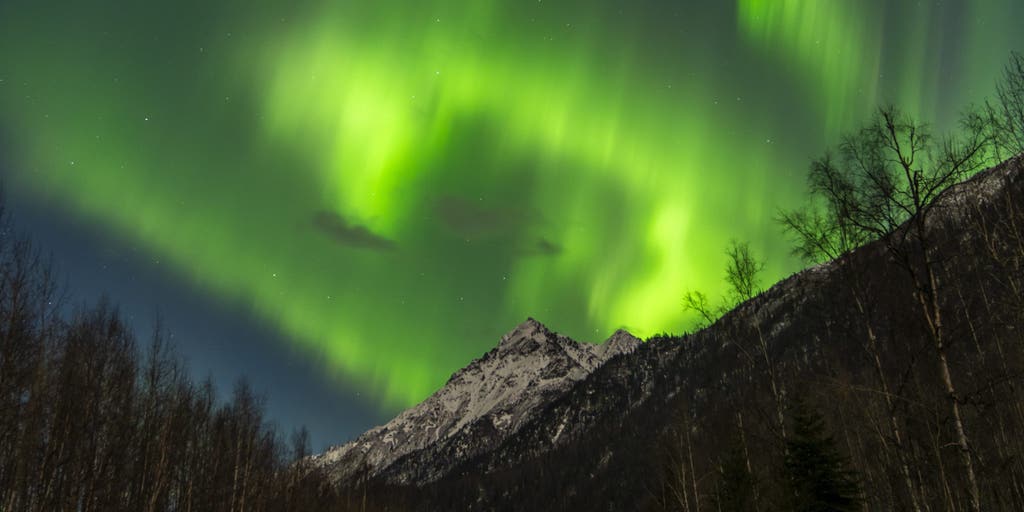
**Kp index** (0-9) measures geomagnetic activity, dictating aurora visibility. NOAA calculates it using 8 global observatories, with higher values pushing auroras closer to the equator. Solar flares and coronal mass ejections drive these storms, creating **aurora borealis** displays. Geomagnetic latitude, not geographic latitude, determines aurora migration. [[kp-index|Kp Index]] forecasts help skywatchers plan trips to Alaska, Scandinavia, or even cities like Seattle at Kp6-7. [[solar-flares|Solar Flares]] and [[geomagnetic-latitude|Geomagnetic Latitude]] are key factors. [[northern-lights|Aurora Borealis]] visibility peaks at Kp8-9, creating photogenic displays over the northern U.S. [[space-weather|Space Weather]] monitoring is critical for predicting these events. [[noaa|NOAA]]'s real-time data powers these forecasts, blending science and spectacle.
Key Takeaways
- Kp index (0-9) measures geomagnetic activity, dictating aurora visibility
- NOAA calculates Kp using 8 global observatories, with higher values pushing auroras closer to the equator
- Solar flares and coronal mass ejections drive aurora activity, but timing is unpredictable
- Kp8-9 events can create photogenic auroras in northern U.S. cities like Seattle
- Geomagnetic latitude, not geographic latitude, determines aurora migration patterns
Balanced Perspective
**Kp index** levels (0-9) correlate with aurora visibility, with higher values indicating stronger geomagnetic storms. NOAA's 8-station network calculates these values, though the exact methodology remains proprietary. Solar flares and coronal mass ejections are primary drivers, but their timing is unpredictable. [[northern-lights|Aurora Borealis]] visibility depends on both Kp levels and geographic location, with the most intense displays occurring near the poles. [[space-weather|Space Weather]] monitoring is essential for accurate forecasts.
Optimistic View
**Kp index** forecasts empower skywatchers to chase auroras with precision. At Kp8-9, the **Northern Lights** become a global spectacle, visible in cities like Chicago and Seattle. [[solar-flares|Solar Flares]] drive these displays, offering both scientific wonder and tourism opportunities. [[noaa|NOAA]]'s real-time tracking ensures safe viewing, while [[geomagnetic-latitude|Geomagnetic Latitude]] calculations make aurora hunting accessible to all. This blend of science and beauty could revolutionize how we experience natural phenomena.
Critical View
**Kp index** forecasts may overstate aurora visibility, leading to unrealistic expectations. Geomagnetic storms can disrupt satellites and power grids, posing risks to infrastructure. [[solar-flares|Solar Flares]] are unpredictable, and even Kp8-9 events may not guarantee visible auroras. [[noaa|NOAA]]'s data, while valuable, lacks transparency in methodology. Overreliance on Kp forecasts could divert attention from broader **space weather** risks.
Source
Originally reported by foxweather.com