
Summary
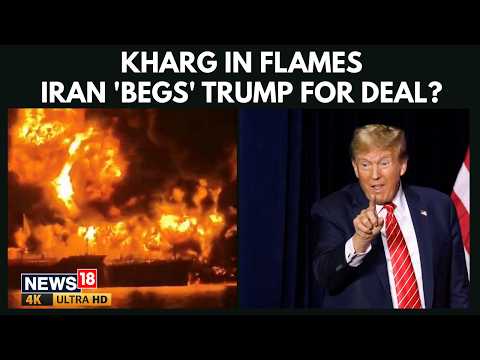
The **United States** and **Iran** have sent conflicting signals regarding the prospects of peace talks, with **President Trump** claiming that discussions are underway and a top **Iranian official** denying such claims. Meanwhile, other **Iranian** sources suggest that messages are being exchanged through intermediaries. This development comes amid heightened tensions between the two nations, with **Iran**'s nuclear program and **U.S.** sanctions being major points of contention. The situation is further complicated by the involvement of other regional players, such as **Saudi Arabia** and **Israel**. As the situation continues to unfold, it remains to be seen whether a diplomatic breakthrough can be achieved. The **U.S.** and **Iran** have a long and complex history, with past agreements such as the **Joint Comprehensive Plan of Action (JCPOA)** having been negotiated and then abandoned. The current situation is a reminder of the challenges and uncertainties inherent in international diplomacy, with the **Middle East** region being a particular hotspot for geopolitical tensions.
Key Takeaways
- The U.S. and Iran have sent conflicting signals regarding peace talks
- President Trump has said that talks are underway, while a top Iranian official has denied this
- Other Iranian sources suggest that messages are being exchanged through intermediaries
- The situation is complex and uncertain, with multiple regional players involved
- A potential peace agreement could have significant implications for the Middle East region and the world
Balanced Perspective
The conflicting reports from the **U.S.** and **Iran** highlight the challenges and complexities of international diplomacy. While **President Trump**'s comments suggest that talks are underway, the denial by the **Iranian official** and the reports of messages being exchanged through intermediaries create uncertainty. It is possible that both sides are engaging in a diplomatic dance, with each side trying to gain leverage and advantage. The situation is further complicated by the involvement of other regional players, which can create additional obstacles to a peace agreement. Ultimately, the outcome will depend on the ability of the **U.S.** and **Iran** to find common ground and negotiate a mutually acceptable agreement.
Optimistic View
The fact that **President Trump** and other **U.S.** officials are speaking about peace talks with **Iran** is a positive development, as it suggests that there is a willingness to engage in diplomacy. Additionally, the reports of messages being exchanged through intermediaries suggest that there are channels of communication open between the two sides. This could be a sign that a breakthrough is possible, particularly if the **U.S.** and **Iran** can find common ground on issues such as **Iran**'s nuclear program and **U.S.** sanctions. The involvement of other regional players, such as **Saudi Arabia** and **Israel**, could also help to facilitate a peace agreement, as they have a vested interest in stability in the region.
Critical View
The conflicting reports from the **U.S.** and **Iran** are a sign of the deep-seated mistrust and hostility between the two nations. The fact that **President Trump** and the **Iranian official** are contradicting each other suggests that there is a significant gap between their positions. The reports of messages being exchanged through intermediaries may be nothing more than a smokescreen, designed to create the illusion of progress while the two sides continue to pursue their own interests. The involvement of other regional players, such as **Saudi Arabia** and **Israel**, could exacerbate the situation, particularly if they have competing interests and agendas.
Source
Originally reported by The New York Times