
Summary
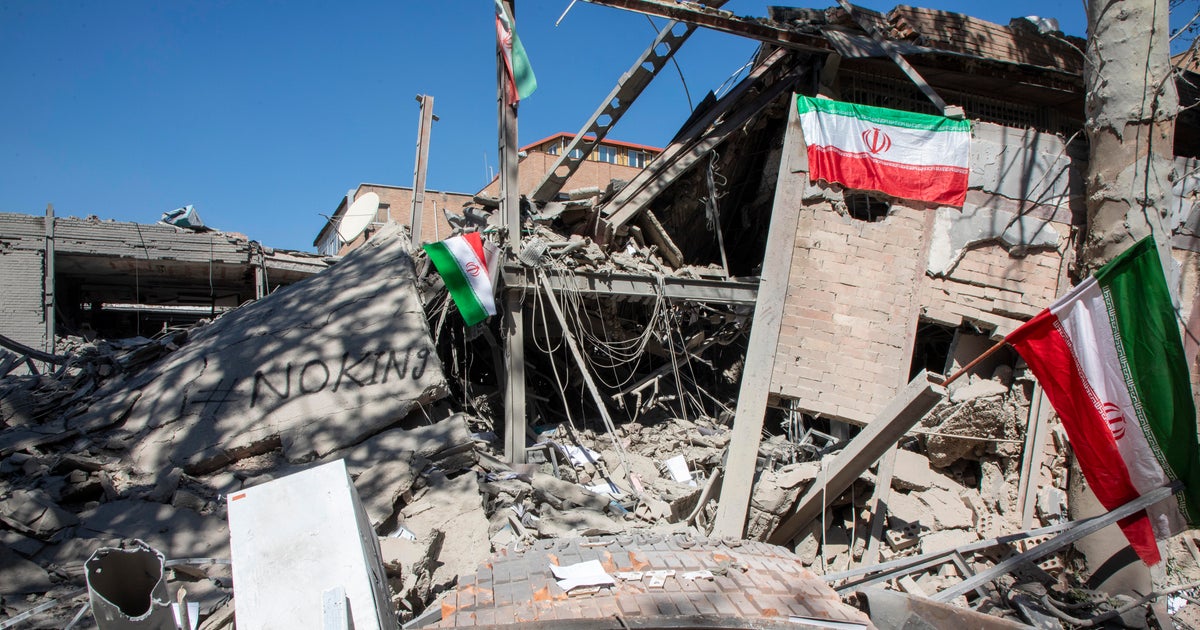
The **U.S.** and **Iran** have agreed to a **2-week ceasefire**, contingent on the reopening of the **Strait of Hormuz**. This development comes ahead of **President Trump's deadline** for Iran to comply with certain conditions. The ceasefire aims to ease tensions between the two nations, which have been escalating since the **U.S. drone strike** that killed top Iranian military commander **Qasem Soleimani**. The situation remains volatile, with **Israel** and other regional players watching closely. For more context, see [[iran-united-states-relations|Iran-U.S. relations]] and [[middle-east-geopolitics|Middle East geopolitics]]. The ceasefire's success depends on various factors, including the actions of **Iran's Revolutionary Guard** and the **U.S. military**. As the situation unfolds, it's essential to consider the perspectives of all parties involved, including [[israeli-palestinian-conflict|Israel]] and other regional stakeholders.
Key Takeaways
- The U.S. and Iran have agreed to a 2-week ceasefire
- The ceasefire is contingent on the reopening of the Strait of Hormuz
- The situation remains volatile, and the potential for escalation is still high
- The underlying issues driving the conflict, such as nuclear proliferation and regional influence, remain unresolved
- The international community, including European nations and China, will be closely monitoring the situation
Balanced Perspective
The ceasefire between the **U.S.** and **Iran** is a temporary measure that may or may not lead to a lasting peace. While it's a positive development, the situation remains volatile, and the potential for escalation is still high. The **U.S.** and **Iran** have fundamentally different interests and goals, making it challenging to achieve a comprehensive agreement. The **United Nations** and other **international organizations** may play a crucial role in facilitating negotiations and promoting a peaceful resolution. See [[united-nations-security-council|UN Security Council]] for more information.
Optimistic View
The 2-week ceasefire between the **U.S.** and **Iran** is a positive step towards reducing tensions in the region. This temporary reprieve could lead to more substantial negotiations, potentially resulting in a lasting peace agreement. The involvement of **European mediators** and **international organizations** could facilitate a peaceful resolution. For example, the **European Union** has been working to salvage the **Iran nuclear deal**, which could be a crucial component of any lasting agreement. See [[european-union-foreign-policy|EU foreign policy]] for more information.
Critical View
The 2-week ceasefire between the **U.S.** and **Iran** is unlikely to lead to a lasting peace. The underlying issues driving the conflict, such as **nuclear proliferation** and **regional influence**, remain unresolved. The **U.S.** and **Iran** have a long history of tensions, and the current ceasefire may simply be a temporary reprieve before further escalation. The situation is further complicated by the involvement of other regional players, such as **Israel** and **Saudi Arabia**. See [[israeli-saudi-relations|Israel-Saudi relations]] for more information.
Source
Originally reported by CBS News