
Summary
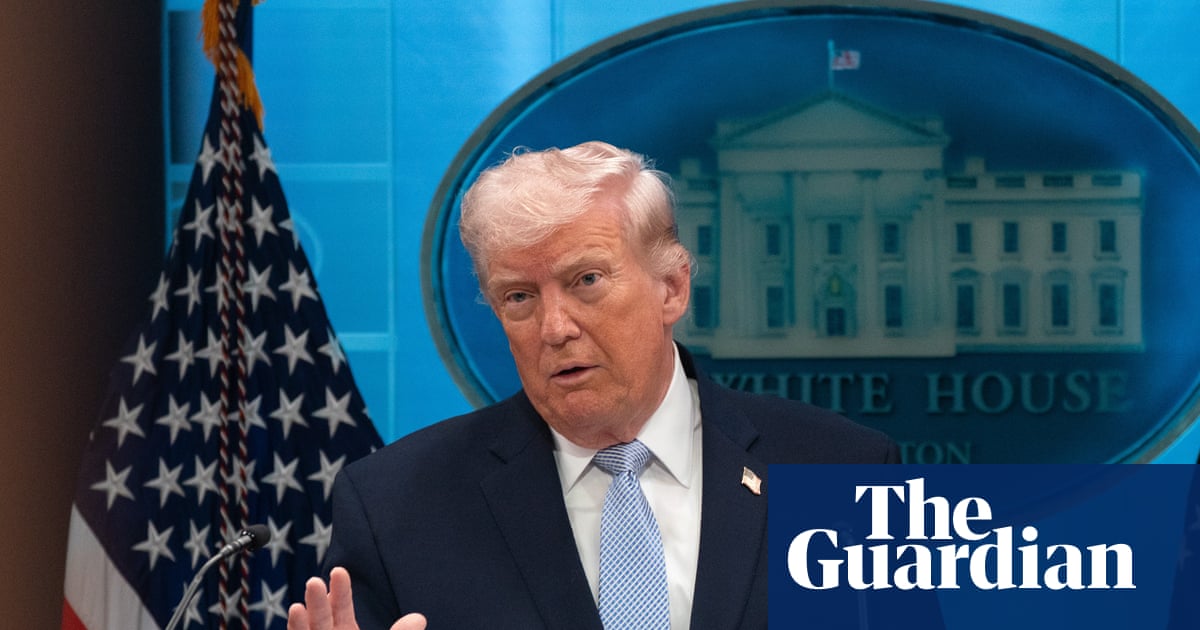
The US and Iran have agreed to a **two-week ceasefire**, following a last-minute intervention led by **Pakistan**. This development comes after **President Trump** issued an ultimatum to Iran, demanding surrender or face annihilation. The agreement includes the **reopening of the Strait of Hormuz**, a critical waterway for global oil trade. The situation remains volatile, with **Iran** and the **US** having fundamentally different interpretations of the agreement. The ceasefire is seen as a temporary reprieve, with **diplomatic efforts** expected to continue in the coming weeks. [[iran-us-relations|Iran-US relations]] have been strained for decades, with **sanctions** and **military posturing** contributing to the current crisis. The role of **Pakistan** in brokering the ceasefire highlights the complex web of **international relations** at play. [[strait-of-hormuz|Strait of Hormuz]] is a critical chokepoint for global oil trade, and its closure could have significant economic implications. The agreement also raises questions about the **future of US-Iran relations**, with some analysts suggesting that a **long-term resolution** may require **fundamental changes** to the current diplomatic framework.
Key Takeaways
- The US and Iran have agreed to a two-week ceasefire
- The ceasefire agreement includes the reopening of the Strait of Hormuz
- Pakistan played a key role in brokering the ceasefire agreement
- The US and Iran have fundamentally different interpretations of the agreement
- The situation remains highly uncertain, with multiple parties involved in the conflict
Balanced Perspective
The **ceasefire agreement** is a temporary measure, and **long-term stability** will require **sustained diplomatic efforts**. The **US** and **Iran** have **fundamentally different interpretations** of the agreement, which could lead to **future conflicts**. The **reopening of the Strait of Hormuz** is a positive development, but **oil prices** and **trade flows** remain vulnerable to **geopolitical risks**. [[us-foreign-policy|US foreign policy]] has been a major factor in the current crisis, and **changes** to the **diplomatic framework** may be necessary to achieve a **lasting resolution**. The **role of regional powers**, such as **Saudi Arabia** and **Turkey**, will be critical in shaping the future of the region.
Optimistic View
The **ceasefire agreement** is a significant step forward, demonstrating that **diplomacy** can still prevail in the face of rising tensions. The **reopening of the Strait of Hormuz** will help to **stabilize global oil markets**, reducing the risk of an **economic shock**. With **Pakistan** playing a key role in brokering the agreement, there is hope that **regional powers** can work together to find a **lasting solution**. [[iran-nuclear-deal|Iran nuclear deal]] provides a framework for **future negotiations**, and **international cooperation** can help to **build trust** and **reduce tensions**. The **US** and **Iran** can work towards a **more constructive relationship**, one that benefits both countries and the **wider region**.
Critical View
The **ceasefire agreement** is a **temporary reprieve**, and the **underlying tensions** between the **US** and **Iran** remain unresolved. The **reopening of the Strait of Hormuz** may not be sustainable, and **oil prices** and **trade flows** could be **severely disrupted** if the conflict escalates. The **US** and **Iran** have a **long history of conflict**, and **trust** between the two countries is **low**. [[iran-us-conflict|Iran-US conflict]] has the potential to **draw in other regional powers**, leading to a **wider conflict**. The **global economy** is also at risk, with **trade flows** and **investment** potentially impacted by the conflict.
Source
Originally reported by The Guardian