
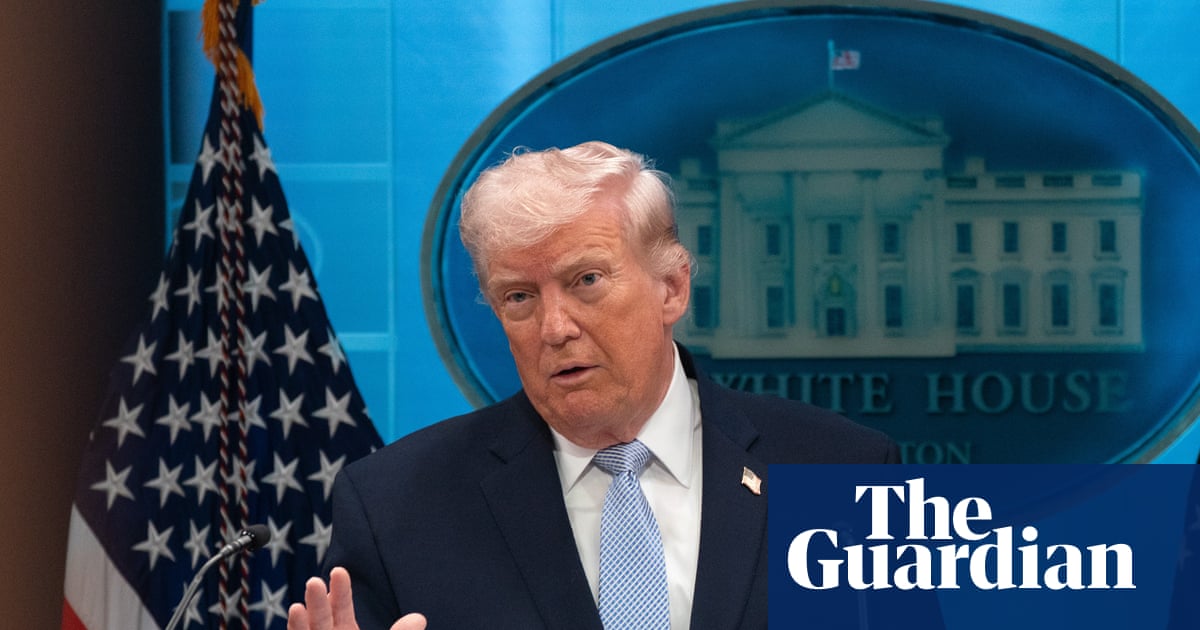
Summary
The provisional ceasefire has been met with a mix of relief and skepticism. While some see it as a positive step towards de-escalation, others are concerned about the long-term implications. The agreement has also raised questions about the role of **Pakistan** in regional diplomacy and the potential consequences for **US** foreign policy. The situation is being closely watched by other nations, including **Saudi Arabia** and **Israel**, who have been affected by the tensions between the **US** and **Iran**. For more information, see [[pakistan-foreign-policy|Pakistan Foreign Policy]] and [[us-foreign-policy|US Foreign Policy]].
Key Takeaways
- The US and Iran have agreed to a provisional ceasefire
- Pakistan led the diplomatic effort to intervene in the conflict
- The ceasefire agreement includes the reopening of the Strait of Hormuz
- The situation remains fragile and subject to further negotiations
- The agreement has significant implications for global politics and economy
Balanced Perspective
The provisional ceasefire is a complex development with both positive and negative implications. While it has prevented a potential war between the **US** and **Iran**, it also raises questions about the long-term stability of the region. The agreement may be seen as a victory for **Pakistan**'s diplomatic efforts, but it also highlights the challenges of negotiating with **Iran**. The situation remains fragile, and the ceasefire is subject to further negotiations. For more information, see [[middle-east-geopolitics|Middle East Geopolitics]] and [[us-iran-relations|US-Iran Relations]].
Optimistic View
The provisional ceasefire is a significant step towards de-escalation and a potential end to the conflict between the **US** and **Iran**. The agreement demonstrates the effectiveness of diplomatic efforts, particularly the intervention by **Pakistan**. The reopening of the **Strait of Hormuz** will also have a positive impact on global oil trade, reducing the risk of price increases and supply disruptions. The ceasefire also provides an opportunity for further negotiations and a potential resolution to the conflict. For more information, see [[diplomacy-in-action|Diplomacy in Action]] and [[iran-us-relations|Iran-US Relations]].
Critical View
The provisional ceasefire is a temporary solution to a deeper conflict between the **US** and **Iran**. The agreement may not address the underlying issues driving the tensions, and the situation remains volatile. The intervention by **Pakistan** may be seen as a positive development, but it also raises concerns about the role of external actors in regional diplomacy. The ceasefire may also be seen as a sign of weakness by **Iran**, potentially emboldening other nations in the region. For more information, see [[us-iran-tensions|US-Iran Tensions]] and [[middle-east-conflict|Middle East Conflict]].
Source
Originally reported by The Guardian