
Summary
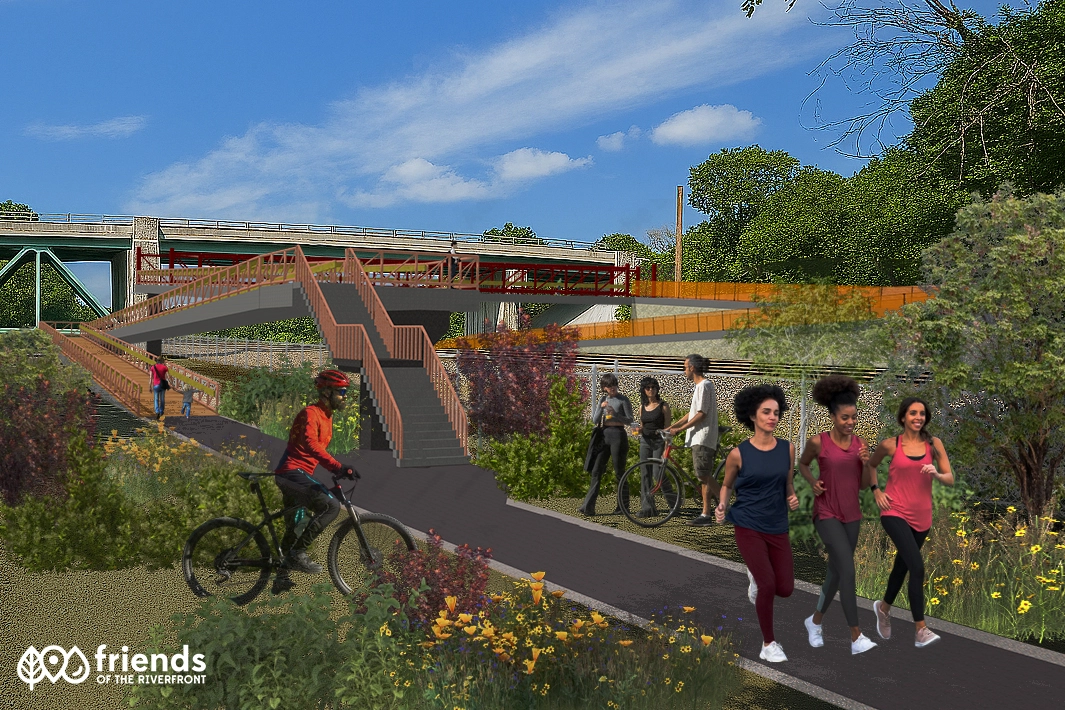
The public sector plays a crucial role in shaping the urban landscape through policies, funding, and guidance on development. As noted by the American Society of Landscape Architects (ASLA), [[asla|ASLA]], the design of public spaces is essential for creating livable and sustainable cities. For instance, [[urban-planning|urban planning]] strategies can prioritize [[green-infrastructure|green infrastructure]], such as parks and green roofs, to mitigate the effects of [[climate-change|climate change]]. Furthermore, [[transportation-systems|transportation systems]] can be designed to promote [[sustainable-transportation|sustainable transportation]] options, like walking and cycling. In the context of [[urban-design|urban design]], the public sector must balance competing interests and priorities, such as [[public-safety|public safety]], [[economic-development|economic development]], and [[environmental-sustainability|environmental sustainability]]. This balance is critical for creating thriving and resilient cities, as seen in examples like [[new-york-city|New York City]]'s [[high-line|High Line]] park and [[copenhagen|Copenhagen]]'s [[bike-friendly|bike-friendly]] infrastructure.
Key Takeaways
- The public sector plays a crucial role in shaping the urban landscape through policies, funding, and guidance on development
- The design of public spaces is essential for creating livable and sustainable cities
- Effective urban design can promote public health, environmental sustainability, and economic development
- Community participation is essential for creating vibrant and livable cities
- Public-private partnerships can drive urban design innovation and economic growth
Balanced Perspective
The public sector's role in urban design is complex and multifaceted, involving various stakeholders and interests. While government policies and funding can shape the urban landscape, they must also navigate competing priorities and budget constraints. For example, [[infrastructure-investment|infrastructure investment]] in [[public-transportation|public transportation]] systems can have significant benefits for [[urban-mobility|urban mobility]] and [[air-quality|air quality]], but may also require trade-offs with other priorities like [[public-safety|public safety]] and [[economic-development|economic development]]. As noted by the [[urban-land-institute|Urban Land Institute]], effective urban design requires a nuanced understanding of the interplay between these factors.
Optimistic View
The public sector's involvement in urban design can lead to the creation of vibrant and inclusive public spaces, such as [[times-square|Times Square]] in New York City, which has undergone significant transformations to become a more pedestrian-friendly area. Moreover, [[green-spaces|green spaces]] like the [[high-line|High Line]] in New York City and [[hyde-park|Hyde Park]] in London demonstrate the potential for urban design to promote [[environmental-sustainability|environmental sustainability]] and [[public-health|public health]]. As [[jan-gehl|Jan Gehl]], a renowned urban designer, notes, well-designed public spaces can foster a sense of community and social connection among citizens.
Critical View
The public sector's involvement in urban design can be hindered by bureaucratic red tape, limited funding, and conflicting priorities. For instance, [[zoning-regulations|zoning regulations]] can restrict the development of innovative and sustainable urban design projects, while [[budget-constraints|budget constraints]] can limit the implementation of [[green-infrastructure|green infrastructure]] and [[public-transportation|public transportation]] systems. Furthermore, the lack of [[public-participation|public participation]] in urban design decision-making processes can lead to the creation of public spaces that do not meet the needs of local communities, as seen in examples like the [[urban-renewal|urban renewal]] projects of the 1950s and 1960s in the United States.
Source
Originally reported by asla.org