
Summary
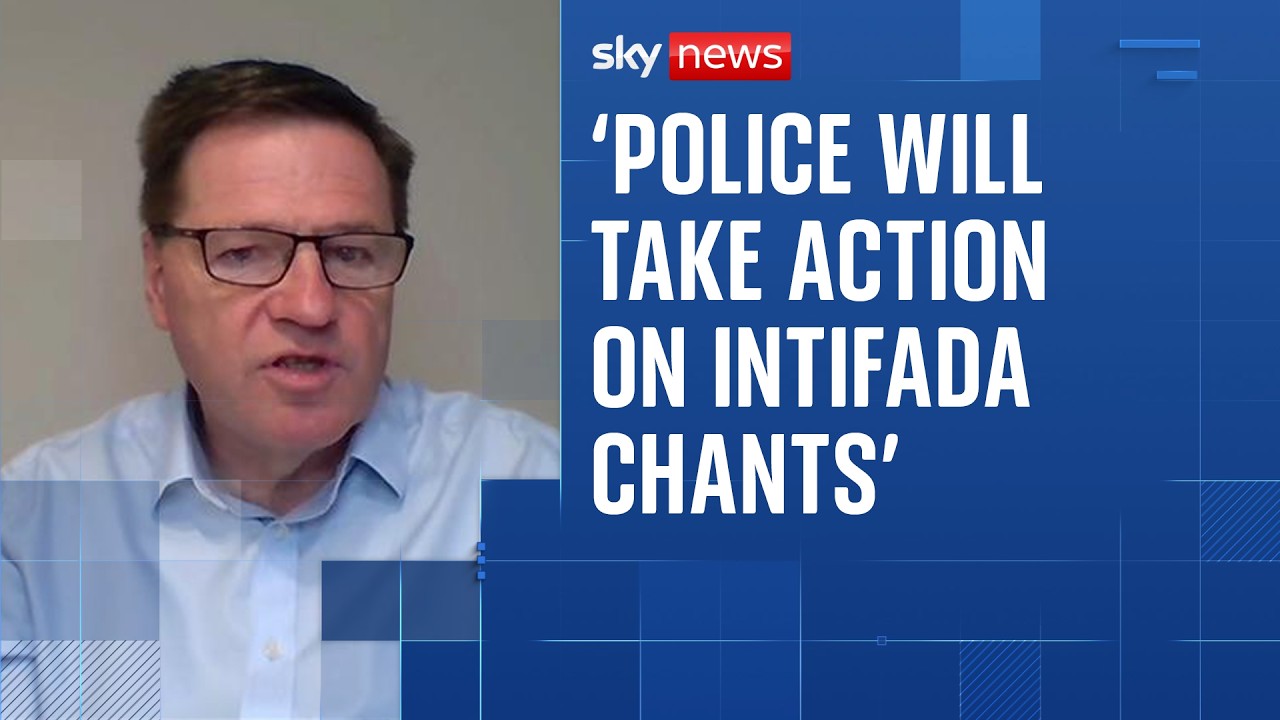
The Al Quds Day rally, scheduled to take place in central London on Sunday, has been partially banned due to concerns over potential disorder. Police plan to utilize the River Thames to separate protesters, while the march to the Home Office has been prohibited. The event, which typically draws attention to the Israeli-Palestinian conflict, is expected to attract a significant number of demonstrators. Authorities are working to maintain public order while respecting the right to peaceful protest.
Key Takeaways
- The Al Quds Day rally in central London has been partially banned due to concerns over potential disorder.
- Police will use the River Thames to separate protesters and prevent clashes.
- The march to the Home Office has been prohibited to maintain public order.
- The event is expected to attract a significant number of demonstrators, with authorities working to balance the right to protest with public safety.
- The situation has the potential to become volatile, and authorities must be cautious not to exacerbate the situation.
Balanced Perspective
The Al Quds Day rally has been a source of controversy in the past, with some groups using the event to promote extremist ideologies. However, it is also an opportunity for people to express their concerns and solidarity with the Palestinian cause. The police face a challenging task in balancing the right to protest with the need to maintain public order. By banning the march to the Home Office, authorities are attempting to prevent a potentially volatile situation, but this decision may also be seen as restrictive by some. The use of the River Thames as a buffer zone is a pragmatic solution, but its effectiveness will depend on various factors, including the number of protesters and their willingness to comply with the restrictions.
Optimistic View
The decision to ban the march to the Home Office and utilize the River Thames as a buffer zone demonstrates a proactive approach by authorities to prevent potential clashes and ensure a peaceful protest. This measure could help to de-escalate tensions and allow for a more constructive dialogue between opposing groups. By taking a firm yet balanced stance, the police can help to maintain public order while respecting the right to free speech. This could set a positive precedent for future protests, promoting a culture of respectful and peaceful demonstration.
Critical View
The ban on the march to the Home Office and the use of the River Thames as a buffer zone may be seen as an overreach by authorities, potentially escalating tensions and creating an 'us versus them' mentality among protesters. This could lead to a breakdown in trust between the police and the demonstrators, increasing the likelihood of clashes and disorder. Furthermore, the decision to restrict the protest may be perceived as an attempt to stifle free speech and limit the ability of people to express their opinions, which could have long-term consequences for the right to peaceful assembly in the UK. The situation has the potential to become volatile, and authorities must be cautious not to exacerbate the situation.
Source
Originally reported by youtube.com