
Summary
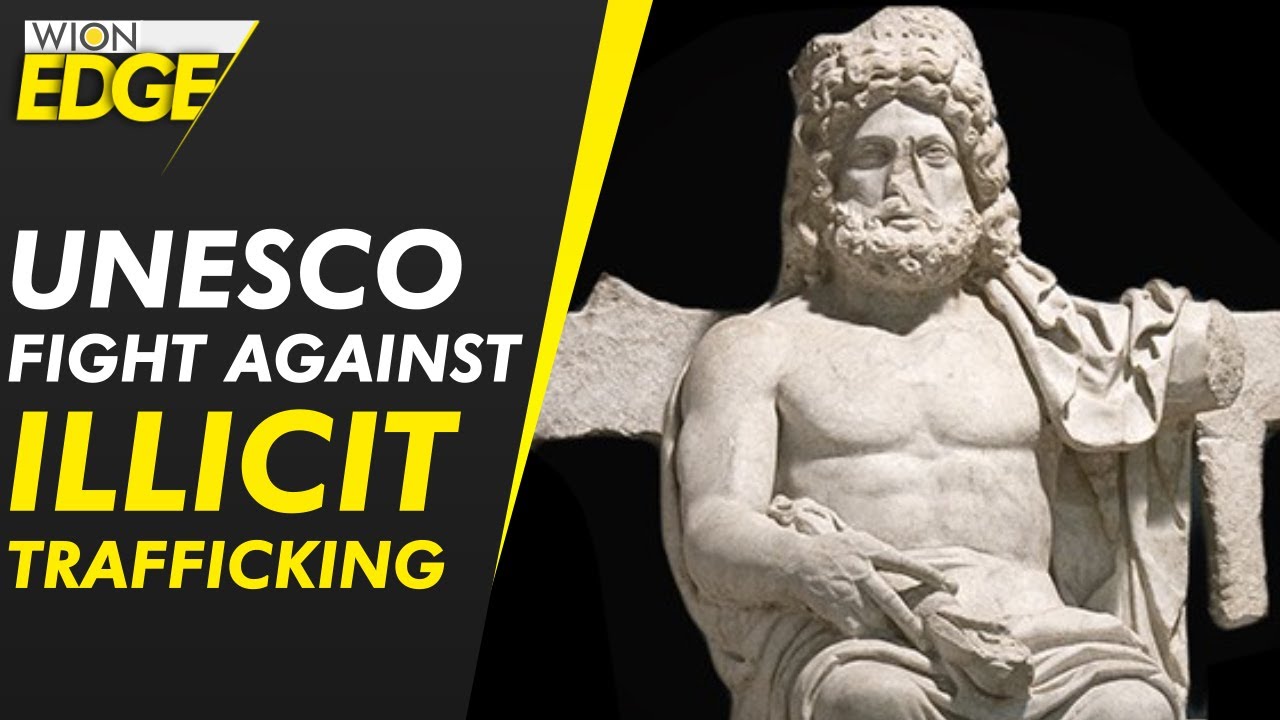
**The UN General Assembly** adopted a resolution on Dec 6, 2024, urging nations to combat illegal cultural artifact trafficking and restitution. Backed by 140+ countries, the measure emphasizes **UNESCO**'s role in coordinating efforts with museums, auction houses, and law enforcement. [[un-general-assembly|UN General Assembly]] [[unesco|UNESCO]] [[cultural-artifacts|Cultural Artifacts]] The resolution calls for **specialized police units** to investigate trafficking, mandates **provenance verification** for art sales, and frames looting as a crime that funds terrorism. However, critics argue the text lacks enforceable mechanisms, leaving **national implementation** to individual governments. [[law-enforcement|Law Enforcement]] [[provenance-verification|Provenance Verification]] [[international-law|International Law]]
Key Takeaways
- The UN General Assembly adopted a resolution targeting illegal cultural artifact trafficking with 140+ nations backing it
- The resolution frames looting as a crime that funds terrorism and mandates provenance verification for art sales
- Critics argue the text lacks enforceable mechanisms, leaving implementation to individual governments
- UNESCO is tasked with coordinating efforts with art market professionals and law enforcement
- The resolution's success depends on national compliance and international cooperation
Balanced Perspective
**The resolution is symbolic but lacks teeth**. Adopted without a vote, it relies on **national discretion** to implement measures like **provenance checks** or **specialized units**. While it acknowledges the **$10 billion annual** illicit art trade, it doesn't mandate penalties or funding. **UNESCO**'s role is emphasized, but the resolution doesn't clarify how it will **monitor compliance** or **enforce restitution**. [[illicit-art-trade|Illicit Art Trade]] [[provenance-checks|Provenance Checks]] [[un-unesco-relationship|UNESCO Relationship]]
Optimistic View
**This is a watershed moment** for cultural preservation. By framing looting as a **crime that funds terrorism**, the resolution aligns with global anti-corruption frameworks. **UNESCO** now has a mandate to pressure art markets, while **specialized police units** could disrupt trafficking networks. The **140+ nation backing** suggests a shift in international norms — if countries follow through, this could **reverse decades of cultural erasure** in conflict zones. [[unesco|UNESCO]] [[specialized-police-units|Specialized Police Units]] [[international-norms|International Norms]]
Critical View
**This is a hollow gesture**. The resolution's **vague language** allows countries to ignore it — **no binding timelines**, **no sanctions**, **no funding mechanisms**. **Museums** and **auction houses** may resist **provenance verification** due to legal risks. **Conflict zones** like **Syria** or **Iraq** will likely see **looting continue** as governments prioritize immediate security over heritage protection. [[museums|Museums]] [[auction-houses|Auction Houses]] [[conflict-zones|Conflict Zones]]
Source
Originally reported by news.un.org