
Summary
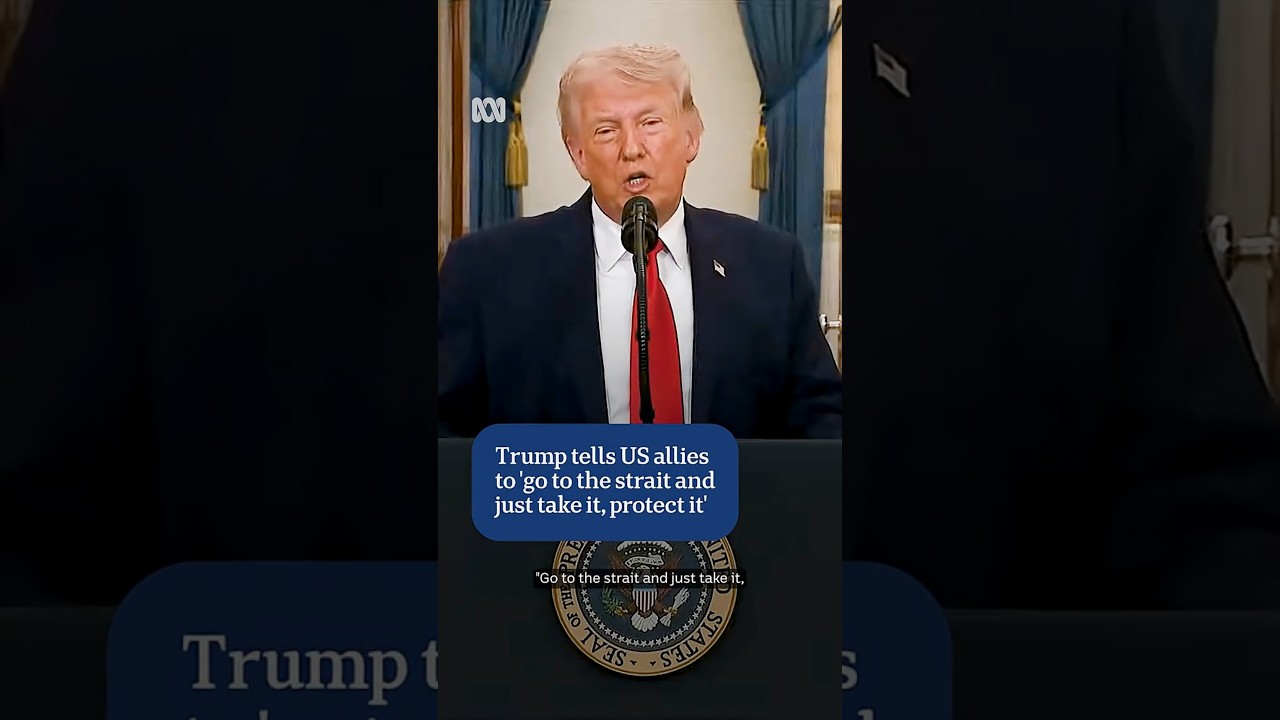
The president's use of profanity and aggressive language has sparked controversy, with some critics arguing that it is unbecoming of a head of state. Others have praised Trump's tough stance on Iran, citing the country's history of **aggression** and **human rights abuses**. As the situation continues to unfold, it is essential to consider the perspectives of various stakeholders, including **Iranian officials**, **US lawmakers**, and **international organizations**. The role of **social media** in shaping public discourse and influencing international relations is also worth examining. For more information on the topic, see [[iran-us-relations|US-Iran relations]], [[middle-east-geopolitics|Middle East geopolitics]], and [[international-conflict-resolution|international conflict resolution]].
Key Takeaways
- The US and Iran are engaged in a tense standoff, with Trump warning of heavy bombardment if the Strait of Hormuz is not opened
- The situation has significant implications for regional security and global governance
- Diplomatic efforts are necessary to address the underlying issues driving the conflict
- The use of aggressive language and the threat of military action can escalate tensions and lead to further conflict
- The international community must be vigilant in promoting peace and stability in the region
Balanced Perspective
The situation between the US and Iran is complex and multifaceted, with both countries having legitimate concerns and interests. While Trump's warning to Iran may be seen as a necessary response to the country's aggressive behavior, it also risks escalating tensions and leading to further conflict. A more nuanced approach, taking into account the historical context of **US-Iran relations** and the current **Middle East geopolitics**, may be necessary to achieve a peaceful resolution. This could involve **diplomatic efforts**, such as those undertaken by the **European Union**, to address the underlying issues driving the conflict.
Optimistic View
The successful rescue of the U.S. airman is a testament to the bravery and skill of the special military team involved. Trump's tough stance on Iran may also serve as a deterrent to the country's aggressive behavior, potentially leading to a more stable and secure region. Furthermore, the president's willingness to engage with **Iranian officials** could pave the way for future diplomatic efforts, as seen in the [[iran-nuclear-deal|Iran nuclear deal]]. However, this perspective is not without its challenges, and the situation requires careful consideration of the potential risks and benefits.
Critical View
Trump's use of profanity and aggressive language is likely to exacerbate tensions with Iran, potentially leading to a catastrophic conflict. The president's willingness to engage in military action without a clear strategy or international support is also a cause for concern, as seen in the [[iraq-war|Iraq War]]. Furthermore, the situation may be used as a pretext for **Iranian hardliners** to consolidate power and crack down on dissent, undermining **human rights** and **democratic values**. The international community, including organizations like the **United Nations**, must be vigilant in promoting **peace** and **stability** in the region.
Source
Originally reported by MS NOW