
Summary
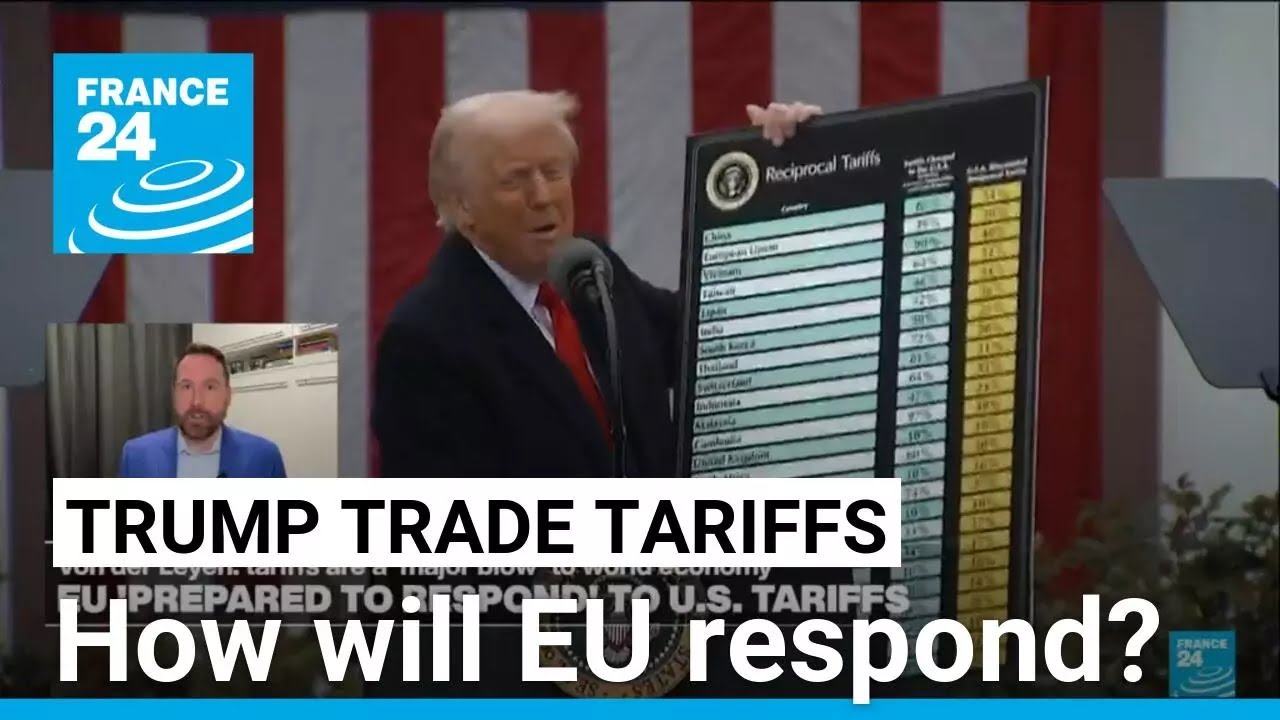
**Gavin Newsom** declared at the Munich Security Summit that "Donald Trump is temporary" — a bold statement from the California governor who could challenge the Democratic nomination in 2028. **Marco Rubio**'s speech, while not fully satisfying European concerns, signaled continuity in US-Europe ties despite Trump's disruptive policies. [[~us-europe-relations|US-Europe relations]] remain strained by tariffs, Greenland ambitions, and the **SAVE Act**'s voter ID provisions. [[~mexico|Mexico]] and [[~canada|Canada]] face similar tensions as Trump's "America First" rhetoric clashes with transatlantic cooperation. The summit highlighted a deeper struggle: how to balance Trump's legacy with the Democratic Party's vision for a post-Trump era. [[~2028-presidential-election|2028 presidential election]] prospects are shaping up as a battleground for both parties' future in global affairs.
Key Takeaways
- Gavin Newsom's 'three-year' timeline for Trump's departure lacks constitutional basis
- Marco Rubio's speech signaled cautious continuity in US-Europe relations
- The SAVE Act's voter ID provisions remain untested and controversial
- Munich Security Summit highlighted strategic tensions between domestic politics and international alliances
- 2028 presidential election candidates will shape the future of US foreign policy
Balanced Perspective
**Marco Rubio**'s speech at the Munich Security Summit emphasized continuity in US-Europe relations, but did not address Trump's controversial policies like Greenland claims or tariffs. **Gavin Newsom**'s "three-year" timeline for Trump's departure is speculative, as no official policy exists to remove a president. The **SAVE Act**'s voter ID requirements remain untested, with no court rulings yet on their constitutionality. [[~mexico|Mexico]] and [[~canada|Canada]] continue to face economic uncertainty due to Trump's trade policies. The summit revealed a strategic dilemma: how to reassure allies without alienating domestic supporters.
Optimistic View
**Gavin Newsom**'s declaration that Trump is "temporary" offers a clear path forward for US-Europe relations. With **2028 presidential election** candidates already positioning themselves, the Democratic Party's focus on stability could mend transatlantic ties. **Marco Rubio**'s measured approach, avoiding direct criticism of European culture, suggests a pragmatic foreign policy. The **SAVE Act**'s voter ID provisions, while controversial, may be seen as a necessary step to restore electoral integrity. [[~voter-id-laws|Voter ID laws]] could become a bipartisan issue if framed as protecting democracy rather than restricting access.
Critical View
**Donald Trump**'s push for nationalizing elections and his **SAVE Act** could erode trust in democratic institutions, creating a crisis for US-Europe relations. **Gavin Newsom**'s optimistic timeline ignores the constitutional process for removing a president, which requires a 25th Amendment invocation or impeachment. The **Munich Security Summit**'s focus on Trump's temporary nature may distract from deeper issues like the **US debt crisis** and [[~climate-change|climate change]] inaction. [[~2028-presidential-election|2028 election]] candidates may prioritize domestic politics over transatlantic stability, risking a fractured global order.
Source
Originally reported by BBC