
Summary
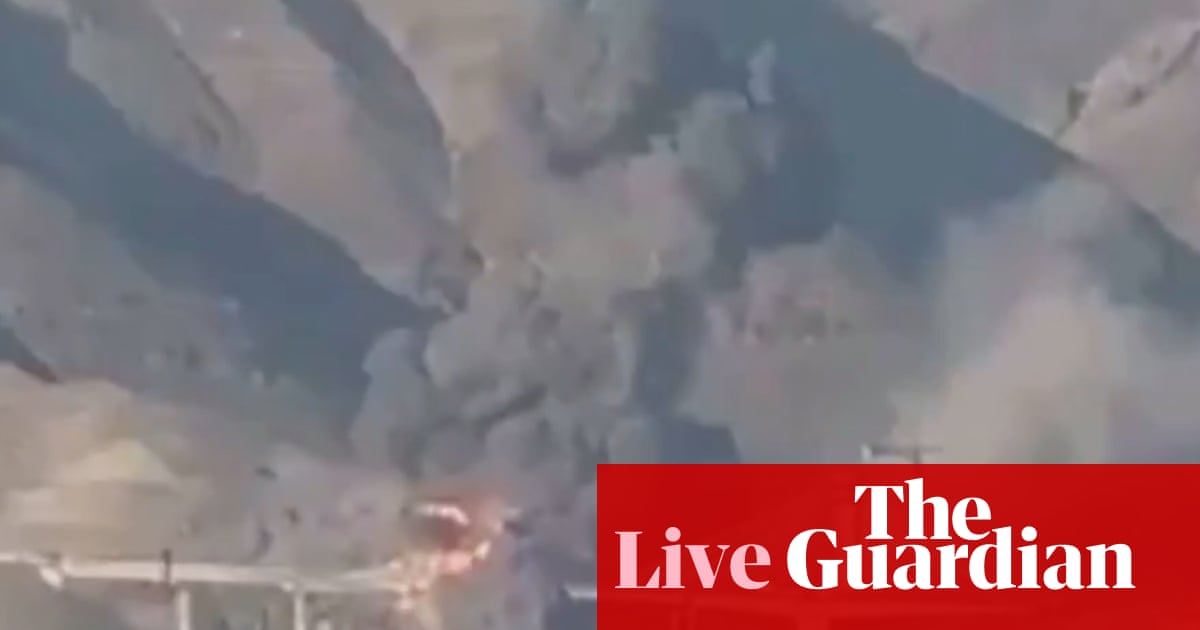
A recent **bridge strike** in western Tehran, Iran, has resulted in at least **8 deaths** and **95 injuries**, according to state media. The attack on the B1 bridge on the Karaj northern bypass has prompted **US President Trump** to urge Iran to make a deal, warning that there is 'much more to follow'. This development comes amidst heightened tensions between the US and Iran, with the **Strait of Hormuz** being a key point of contention. The situation is being closely watched by **Israel** and other regional players, with concerns about the potential for further escalation. For more information on the history of US-Iran relations, see [[us-iran-relations|US-Iran Relations]].
Key Takeaways
- The US President has called for a deal with Iran after a bridge strike in western Tehran
- The situation in Iran is complex and multifaceted, with a range of different factors at play
- A deal between the US and Iran could potentially lead to the lifting of sanctions and the improvement of economic conditions in Iran
- The situation has significant implications for the stability of the region and the global economy
- Concerned citizens can stay informed and support organizations that work to promote peace and stability in the region
Balanced Perspective
The situation in Iran is complex and multifaceted, with a range of different factors at play. While the US President's call for a deal may be seen as a positive step, it is unclear whether Iran will be willing to negotiate. The Iranian government has previously shown a willingness to resist US pressure, and it is possible that they may view the US President's call for a deal as a sign of weakness. Additionally, there are a range of other regional players who may be affected by any deal, including **Israel** and **Saudi Arabia**. For more information on the complexities of the situation, see [[iran-politics|Iran Politics]].
Optimistic View
The US President's call for a deal with Iran could be a positive step towards reducing tensions in the region. A deal could potentially lead to the lifting of sanctions and the improvement of economic conditions in Iran, which could in turn reduce the likelihood of further conflict. **Trump** has previously shown a willingness to engage in diplomatic efforts, as seen in his meetings with **North Korean leader Kim Jong-un**. If a deal can be reached, it could be a major breakthrough in US-Iran relations, and could potentially lead to greater stability in the region. For more information on the potential benefits of a US-Iran deal, see [[us-iran-deal|US-Iran Deal]].
Critical View
The US President's call for a deal with Iran may be seen as a threat, rather than an opportunity. The use of language such as 'much more to follow' may be perceived as a warning, rather than a genuine attempt to engage in diplomatic efforts. Additionally, the attack on the B1 bridge may be seen as a sign of the growing instability in the region, and the potential for further conflict. The situation is likely to be closely watched by other regional players, who may be concerned about the potential for the conflict to spread. For more information on the potential risks of the situation, see [[middle-east-conflict|Middle East Conflict]].
Source
Originally reported by The Guardian