
Summary
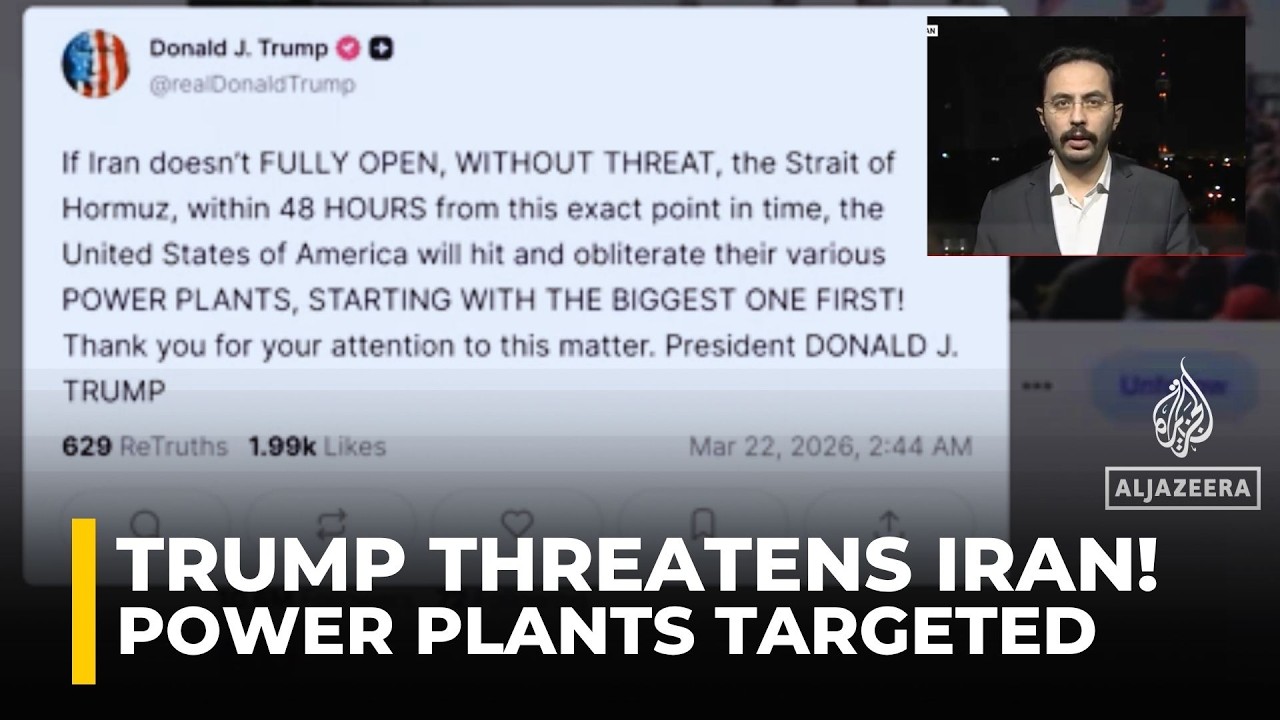
In a bold statement, **Donald Trump** has threatened to strike **Iran's** power plants if a deal is not reached regarding the ongoing tensions in the **Strait of Hormuz**. This comes alongside new **U.S. sanctions** aimed at curbing Iranian influence and activity in the region. The shipping route remains contentious, with Trump asserting it is open to all except Iranian vessels, highlighting the escalating conflict. As the situation develops, the implications for regional stability and international relations are profound, raising questions about the future of U.S.-Iran relations and the potential for military engagement.
Key Takeaways
- Trump's threats against Iran escalate tensions in the Middle East.
- New U.S. sanctions aim to curb Iranian influence but may have unintended consequences.
- The Strait of Hormuz remains a critical point for global oil supply.
- Military action could lead to significant humanitarian and geopolitical fallout.
- Diplomatic solutions are increasingly necessary to avoid conflict.
Balanced Perspective
The facts indicate that Trump has reiterated his stance on Iran, specifically targeting its power infrastructure as a potential military objective. The U.S. has imposed new sanctions, which are part of a broader strategy to limit Iran's regional influence. The situation remains fluid, with both sides engaging in a war of words while the international community watches closely for any signs of escalation or diplomatic breakthroughs.
Optimistic View
From a hopeful standpoint, some argue that Trump's threats could serve as leverage in negotiations with Iran, potentially leading to a more favorable deal for the U.S. and its allies. The pressure from sanctions may compel Iran to reconsider its aggressive posture in the region, fostering a dialogue that could stabilize the **Gulf Coast**. If successful, this approach could prevent military conflict and promote a more peaceful resolution to longstanding tensions.
Critical View
Critics warn that Trump's threats could escalate into military action, risking a broader conflict in the Middle East. The potential for miscalculation is high, especially in a region already fraught with tensions. Furthermore, the sanctions may not yield the desired results, as Iran has historically shown resilience against economic pressure. The situation could spiral out of control, leading to significant humanitarian and geopolitical consequences.
Source
Originally reported by The Guardian