
Summary
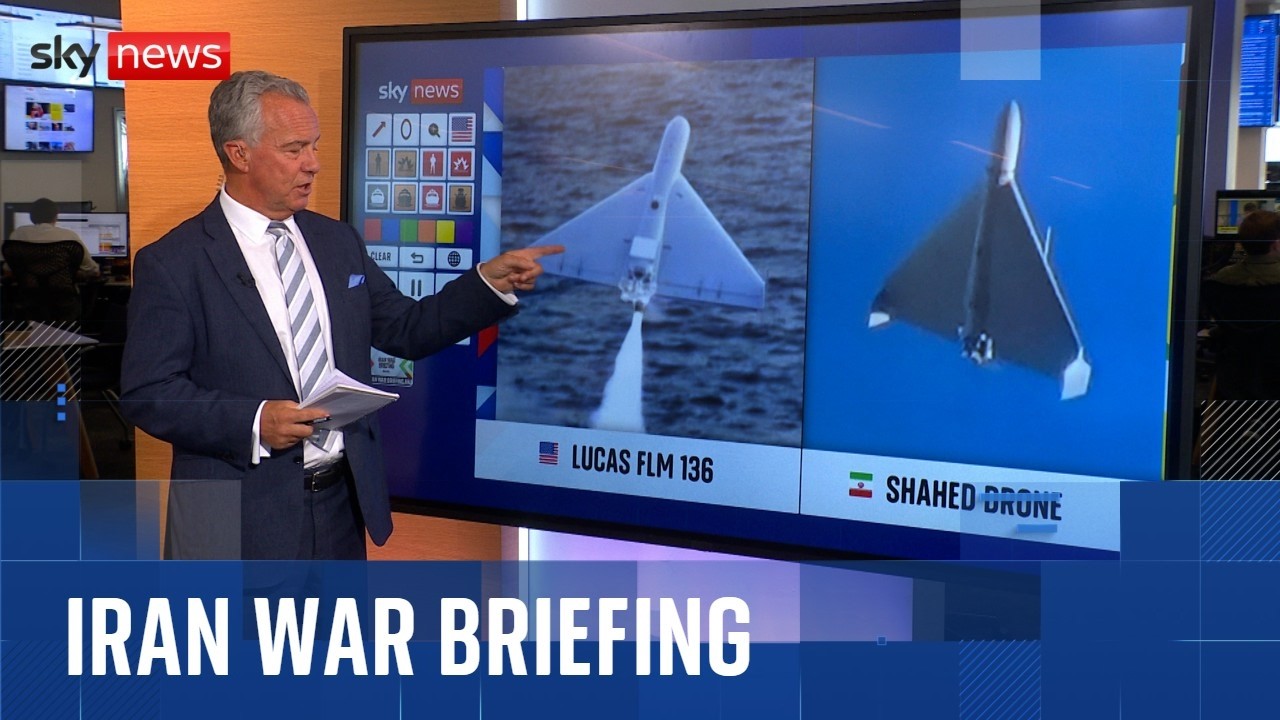
In a bold move, **President Trump** has declared the **Strait of Hormuz** open while demanding tariffs from Iran, amidst escalating drone and missile exchanges between the two nations. This renewed blockade reflects a significant shift in U.S. foreign policy, with potential implications for global oil markets and regional stability. As both sides ramp up military posturing, the situation raises questions about the future of U.S.-Iran relations and the security of one of the world's most vital maritime chokepoints. The **Strait of Hormuz** is crucial, as it handles about **20%** of the world's oil supply, making any disruption a matter of global concern.
Key Takeaways
- Trump's blockade of Iran signals a significant shift in U.S. foreign policy.
- The Strait of Hormuz is crucial for global oil transport, handling about 20% of the world's supply.
- Military exchanges between the U.S. and Iran could escalate into a broader conflict.
- Tariffs demanded by the U.S. may generate revenue but could also provoke further Iranian aggression.
- The situation highlights the complexities of international relations in the Middle East.
Balanced Perspective
The situation is complex, with both sides engaging in military exchanges that could spiral out of control. The U.S. has historically maintained a presence in the **Strait of Hormuz** to ensure the free flow of oil, while Iran views such actions as provocations. The current blockade and tariff demands are part of a broader strategy to exert pressure on Iran, but the effectiveness and consequences of this approach remain uncertain. Analysts are closely monitoring the situation, as any miscalculation could lead to significant military escalation.
Optimistic View
From a hopeful standpoint, some argue that Trump's assertive stance could lead to a more stable Middle East. By taking control of the **Strait of Hormuz**, the U.S. could potentially deter Iranian aggression and protect vital shipping lanes. This approach may also galvanize international support for a unified stance against Iran's military actions, leading to a more secure environment for global trade. Moreover, the tariffs could generate revenue that might be reinvested into U.S. defense capabilities, enhancing national security.
Critical View
Critics warn that Trump's renewed blockade could ignite a full-scale conflict with Iran, destabilizing the region and disrupting global oil supplies. The heavy drone and missile exchanges signal a dangerous escalation that risks drawing in other nations and complicating diplomatic efforts. Furthermore, the unilateral nature of the U.S. actions may alienate key allies and undermine international norms regarding maritime security. The potential for a military confrontation raises alarms about the long-term implications for U.S. foreign policy and global stability.
Source
Originally reported by The Guardian