
Summary
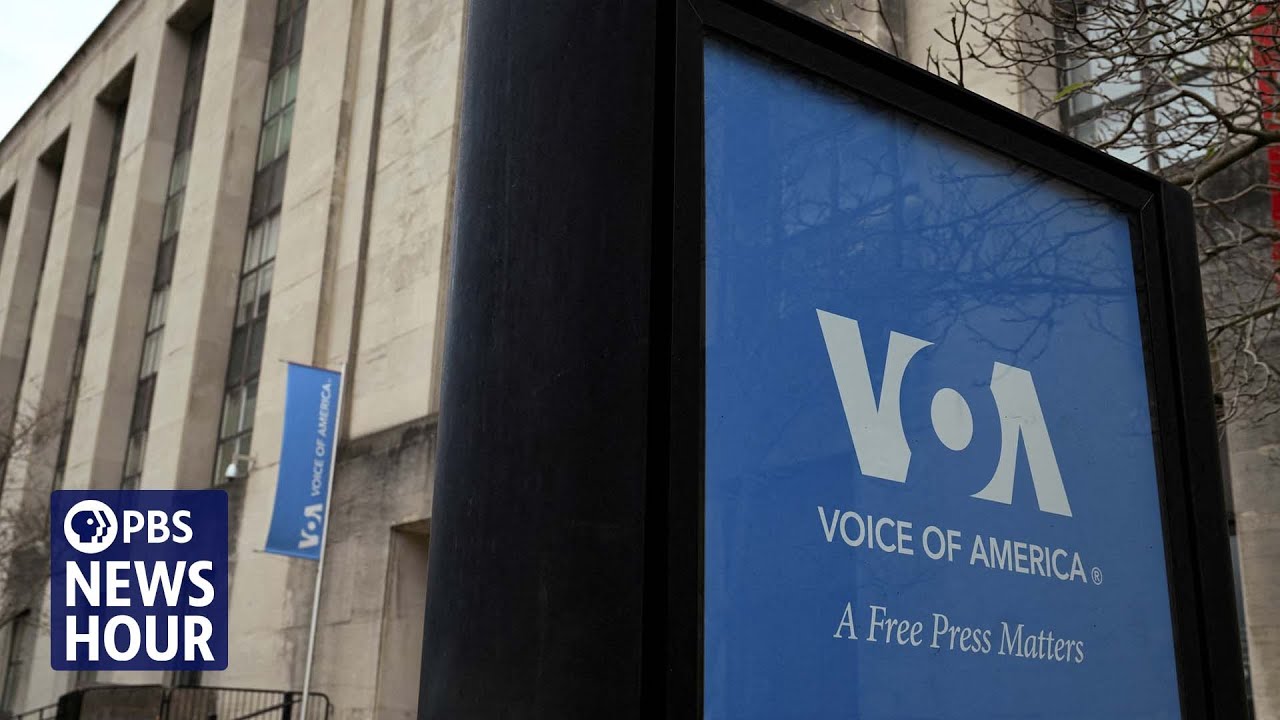
**Radio Free Europe/Radio Liberty** and **Voice of America** are facing a radical shift in their operational autonomy. A draft funding agreement leaked to *The New York Times* reveals Trump appointees seeking to grant the White House veto power over editorial decisions, effectively dismantling the 'firewall' between government funding and content. This move would allow the administration to pressure outlets to avoid critical coverage of U.S. actions, a direct assault on media independence. The agencies, which have long served as tools of soft power in Eastern Europe and the Middle East, now face a existential threat to their credibility. The proposal has sparked outrage among journalists and watchdogs, who warn it could transform these outlets into propaganda organs. This isn't just about newsrooms — it's about who controls the narrative in regions where free press is already fragile.
Key Takeaways
- The White House seeks to grant veto power over editorial content at U.S.-funded news agencies
- Radio Free Europe/Radio Liberty and Voice of America are at the center of the controversy
- The proposal threatens to undermine the 'firewall' between government funding and journalism
- Legal challenges may arise from the conflict between transparency and political control
- This could redefine the role of U.S. media in global affairs for decades
Balanced Perspective
**The draft agreement outlines a clear conflict of interest** between funding and editorial independence. RFE/RL and VOA have historically operated under strict guidelines to avoid government influence, but the proposed changes would allow the White House to override those safeguards. **The legal basis for this shift is unclear**, as the agencies are funded by the U.S. Agency for Global Media (USAGM), which is itself subject to political oversight. **The real question is whether this represents a policy shift or a power grab** — and how it will be enforced.
Optimistic View
**The Trump administration's proposal could streamline accountability** for U.S.-funded media, ensuring alignment with national interests. Proponents argue that the 'firewall' has allowed biased reporting to masquerade as objective journalism. By granting veto power, the White House could prevent outlets from publishing content that undermines diplomatic efforts or national security. **This might even boost credibility** in regions where audiences distrust Western media, creating a more transparent relationship between the U.S. government and its global communication tools.
Critical View
**This is a direct attack on press freedom** with catastrophic consequences. By allowing the White House to veto content, the proposal would force journalists to self-censor, eroding the very mission of these outlets. **The risk of propaganda is immense** — in regions like Russia or China, where state media is already tightly controlled, U.S.-funded outlets could become tools of coercion. **The long-term damage to U.S. credibility** as a champion of free speech is incalculable.
Source
Originally reported by The New York Times