
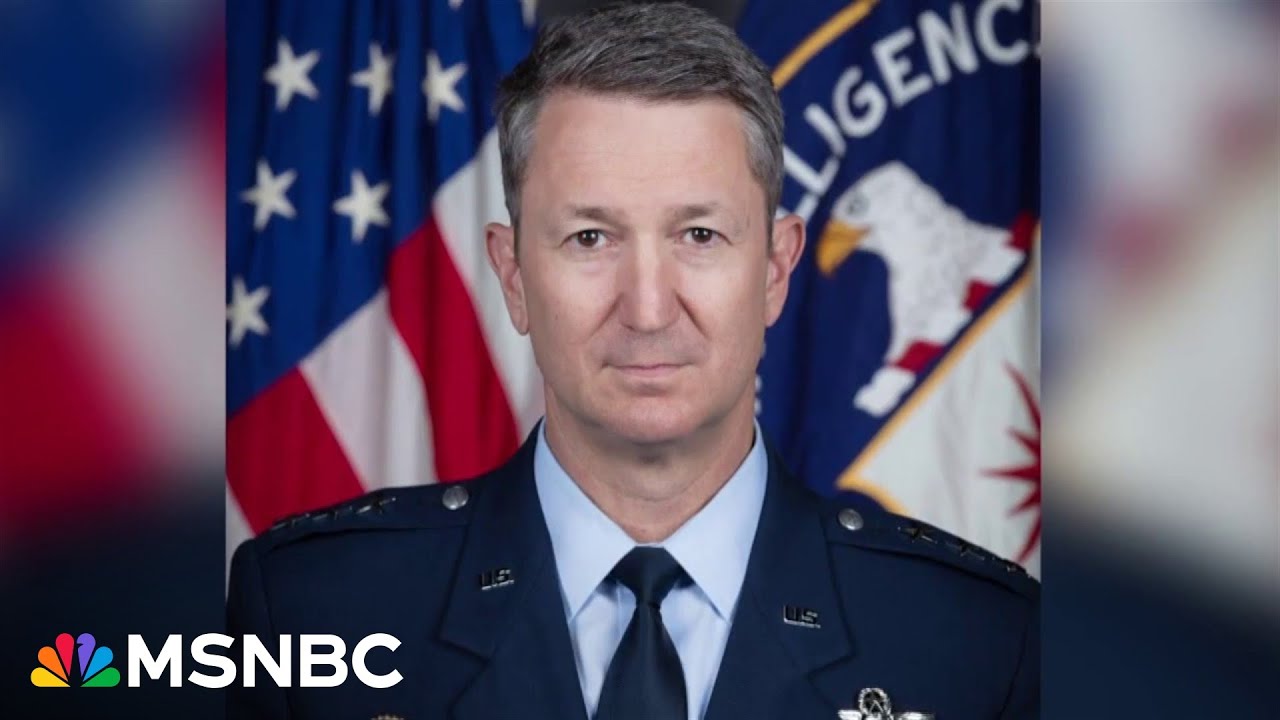
Summary
**Pete Hegseth** has mandated that all nominees for four-star general positions must meet with **Donald Trump** before confirmation, sparking immediate backlash from **military-civilian control** advocates. The requirement, outlined in a July 29, 2025, **NYT** article, directly challenges the longstanding tradition of separating military leadership from political influence. Critics argue this undermines the **civilian control of the military**, a cornerstone of U.S. military doctrine since the 1950s. [[pete-hegseth|Pete Hegseth]]'s rationale centers on 'strategic alignment,' but the move has been widely interpreted as a power play to embed Trump-era policies into the **military hierarchy**. [[four-star-general|Four-star generals]] now face a dilemma: comply with the order or risk political fallout. The **Defense Department** has not yet issued a formal statement, leaving the policy in legal limbo. [[military-civilian-control|military-civilian control]] experts warn this could set a dangerous precedent for future administrations. [[nyt|The New York Times]] reports the policy is being tested in the **2025 military promotions cycle**, with several high-profile nominees already withdrawing from consideration. The **Senate Armed Services Committee** is expected to hold hearings on the matter by late August.
Key Takeaways
- Pete Hegseth's mandate requires four-star general nominees to meet with Trump, challenging **military-civilian control** norms
- The policy risks politicizing **military appointments**, potentially undermining **military neutrality**
- The Senate Armed Services Committee will determine the policy's long-term impact on **national security**
- This marks the first such policy since the 1950s, raising questions about **executive authority**
- Military leaders now face a dilemma between political loyalty and **operational integrity**
Balanced Perspective
**Pete Hegseth** has legally mandated that all four-star general nominees meet with **Donald Trump** under the **Defense Department's** authority. The policy, confirmed by **The New York Times**, does not explicitly violate the **Constitution** or **military code**, though it raises questions about **civilian oversight**. [[four-star-general|Four-star generals]] are required to attend these meetings, but the **Senate** retains final approval power. The **Defense Department** has not clarified whether the meetings are formal or informal, leaving ambiguity about their scope. [[military-civilian-control|military-civilian control]] experts note this is the first such policy since the **1950s**, though similar informal consultations have occurred historically.
Optimistic View
**Pete Hegseth**'s mandate could streamline decision-making by ensuring military leaders are aligned with **executive priorities**. Direct engagement with the **president** might prevent miscommunication that has plagued past administrations. [[four-star-general|Four-star generals]] could benefit from personalized vetting, reducing the risk of ideological clashes. This move also signals a commitment to **national security** by prioritizing loyalty over bureaucratic inertia. [[military-civilian-control|military-civilian control]] advocates might argue this strengthens the chain of command, though critics will likely dismiss it as a power grab.
Critical View
**Pete Hegseth**'s policy risks eroding the **civilian control of the military**, a principle enshrined in the **Constitution**. Requiring generals to meet with a former president could politicize **military appointments**, creating a **loyalty-based** system rather than merit-based. [[four-star-general|Four-star generals]] may face pressure to endorse **Trump's policies**, undermining **military neutrality**. The **Senate Armed Services Committee** could face gridlock if nominees refuse to comply, potentially delaying critical **military appointments**. [[military-civilian-control|military-civilian control]] analysts warn this could set a dangerous precedent for future **presidential administrations**.
Source
Originally reported by The New York Times