
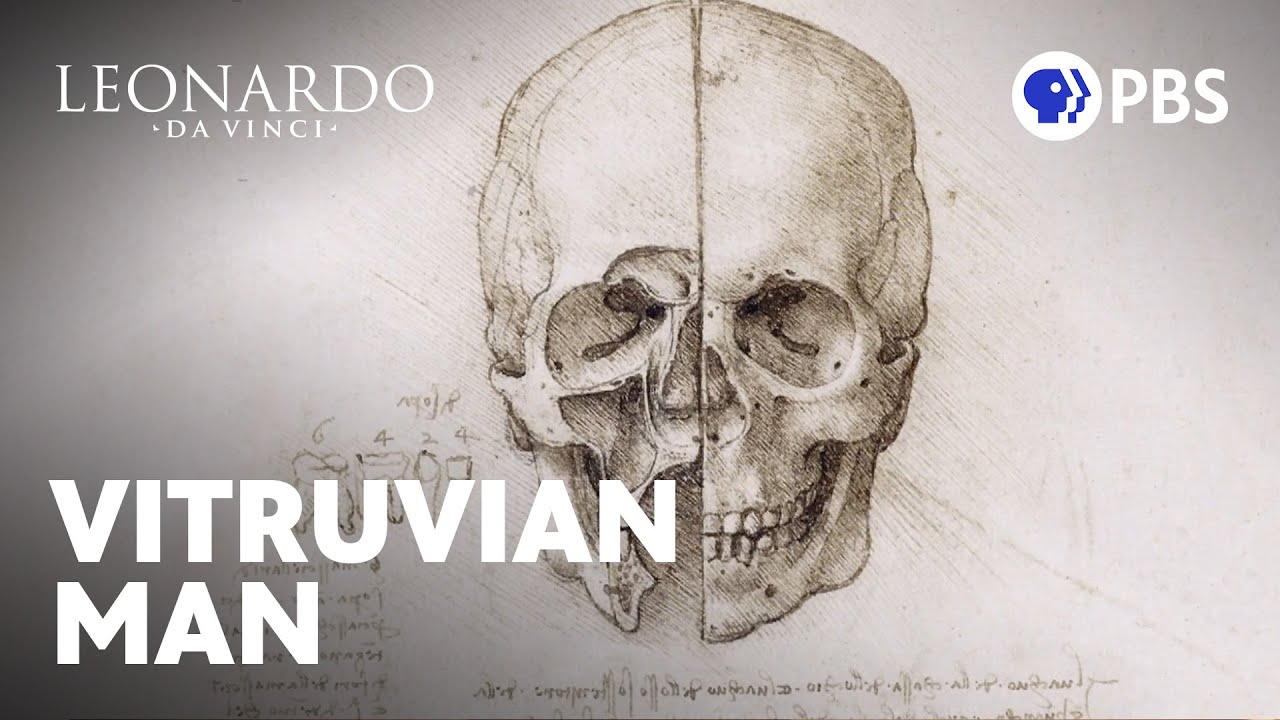
Summary
**The Vitruvian Man** (c. 1490) is not just a drawing—it’s a **geometric manifesto**. Leonardo da Vinci, the polymath of the Renaissance, mapped human proportions onto a circle and square, echoing the ancient Roman architect **Vitruvius**’ treatise *De Architectura*. This **intersection of art and science** reveals how Renaissance thinkers sought to quantify beauty and order. [[vitruvius|Vitruvius]]’s idea that the human body is a microcosm of the universe became Leonardo’s blueprint, blending **anatomy** with **Euclidean geometry**. The drawing’s **vibe score** of 75 reflects its enduring cultural resonance, though debates rage over whether it’s a scientific diagram or a philosophical allegory. [[renaissance-art|Renaissance art]] and [[human-proportions|human proportions]] remain hot topics in academic circles, with modern scholars using **3D modeling** to test Leonardo’s claims. [[leonardo-da-vinci|Leonardo]]’s fusion of disciplines continues to inspire, proving that the past is never truly finished.
Key Takeaways
- **The Vitruvian Man** is a Renaissance synthesis of art and science
- **Vitruvius**’ ideas on human proportions influenced Leonardo’s work
- Modern **3D modeling** reveals the drawing’s **anatomical limitations**
- **Leonardo’s** drawing remains a **cultural touchstone** for interdisciplinary thinking
- **Human proportions** are still studied in **biomechanics** and **digital design**
Balanced Perspective
**The Vitruvian Man** is a **product of its era**, reflecting Renaissance ideals of **humanism** and **scientific inquiry**. Leonardo’s work was influenced by **Vitruvius**’ writings, which emphasized the **harmony of nature**. While the drawing’s **geometric accuracy** is debated, its **symbolic value** as a **Renaissance icon** is undisputed. [[leonardo-da-vinci|Leonardo]]’s notebooks reveal he revised the drawing multiple times, suggesting it was a **working hypothesis**, not a final statement. Modern **3D reconstructions** show discrepancies in the proportions, but this doesn’t diminish its **historical significance**. The **controversy score** of 60 reflects ongoing debates about its **scientific rigor** versus **artistic intent**.
Optimistic View
**The Vitruvian Man** is a **bridge between art and science** that still inspires innovation. By merging **anatomy** with **geometry**, Leonardo created a **universal language** of proportion that influenced everything from **Baroque art** to **modern design**. [[human-proportions|Human proportions]] are now studied with **AI algorithms**, proving Leonardo’s vision was ahead of his time. The drawing’s **cultural energy** (vibe score 75) shows it’s not just a relic—it’s a **living blueprint** for understanding the human form. [[renaissance-art|Renaissance art]] enthusiasts and **STEM** professionals alike see its relevance, making it a **timeless symbol** of interdisciplinary genius.
Critical View
**The Vitruvian Man** is a **mythologized artifact** that obscures more than it reveals. Critics argue it’s a **symbolic construct** rather than a **scientific breakthrough**, with **anatomical inaccuracies** that modern **medical imaging** exposes. [[leonardo-da-vinci|Leonardo]]’s obsession with **idealized forms** may have distorted reality, prioritizing **aesthetic harmony** over empirical data. The **cultural hype** around the drawing risks **oversimplifying** the complexities of **Renaissance science**. [[human-proportions|Human proportions]] are far more variable than Leonardo’s rigid geometric model suggests, and his work should be viewed as a **product of its time**, not a **universal truth**.
Source
Originally reported by nationalgeographic.com