
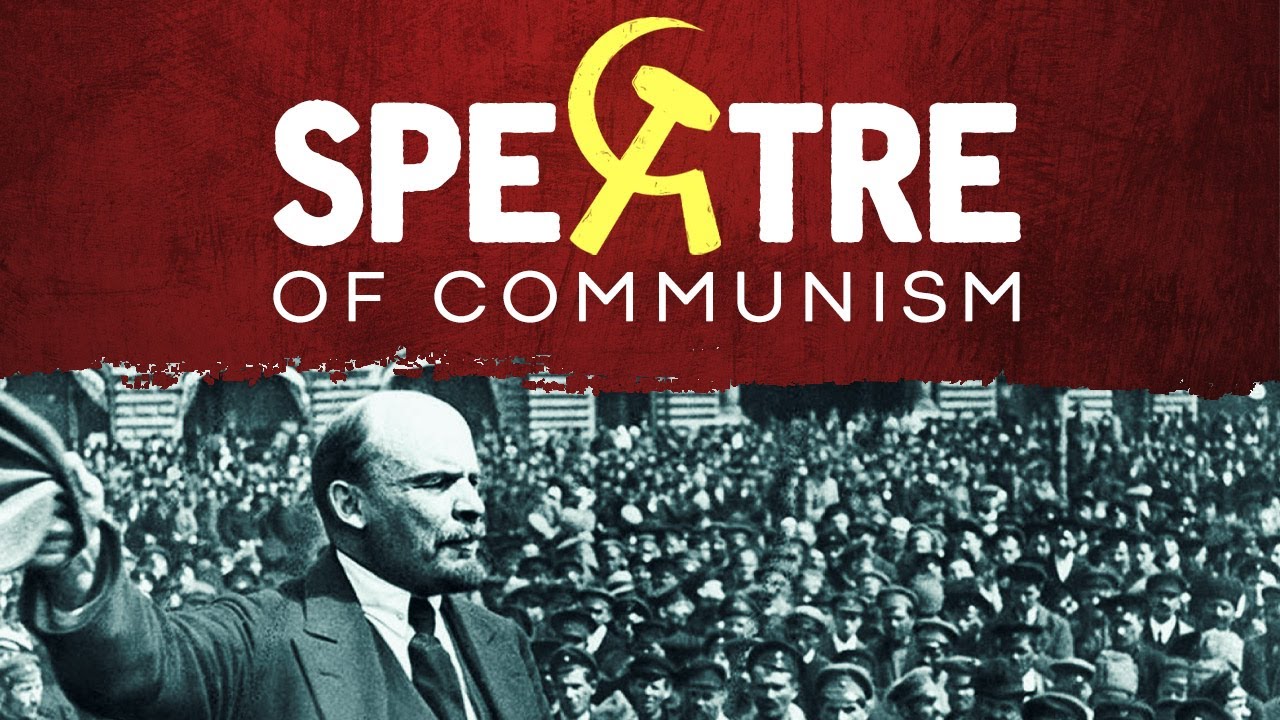
Summary
The October Revolution, which took place in 1917, was a pivotal event in world history that saw the Bolsheviks, led by Vladimir Lenin, seize power in Russia. This revolution had far-reaching consequences, shaping global geopolitics, inspiring socialist movements, and influencing international relations. The revolution's legacy continues to be felt today, with its impact evident in modern political ideologies, economic systems, and social movements. As the world grapples with issues of inequality, political polarization, and social justice, the October Revolution remains a significant and relevant historical event. The revolution's emphasis on workers' rights, social equality, and collective ownership continues to inspire and inform contemporary social and political movements.
Key Takeaways
- The October Revolution was a pivotal event in world history that shaped global geopolitics and inspired socialist movements.
- The revolution's legacy continues to be felt today, with its impact evident in modern political ideologies, economic systems, and social movements.
- The revolution's emphasis on workers' rights, social equality, and collective ownership continues to inspire and inform contemporary social and political movements.
- The revolution's ideology of socialism and communism has been subject to various interpretations and criticisms, with some viewing it as a flawed and failed ideology.
- The revolution's impact must be evaluated in a nuanced and balanced manner, taking into account both its positive and negative consequences.
Balanced Perspective
The October Revolution was a complex and multifaceted event that had both positive and negative consequences. On the one hand, the revolution led to significant improvements in the lives of Russian workers and peasants, including the establishment of a comprehensive system of social welfare and the promotion of education and healthcare. The revolution also inspired a generation of socialists and communists around the world, who sought to create a more just and equal society. On the other hand, the revolution was also marked by violence, repression, and authoritarianism, particularly during the Stalin era. The revolution's legacy is also complicated by the fact that it ultimately led to the establishment of a one-party state, which suppressed dissent and opposition. As such, the October Revolution's impact must be evaluated in a nuanced and balanced manner, taking into account both its positive and negative consequences.
Optimistic View
The October Revolution represents a beacon of hope for those seeking to challenge oppressive systems and create a more just and equal society. The revolution's emphasis on collective action, workers' rights, and social welfare has inspired countless movements and revolutions around the world, from the Civil Rights Movement in the United States to the anti-apartheid movement in South Africa. The revolution's legacy can be seen in the many social and economic advances that have been made in the pursuit of a more equitable and just world. Furthermore, the revolution's ideals of international solidarity and cooperation continue to inspire global movements for peace, justice, and human rights. As the world faces increasingly complex and interconnected challenges, the October Revolution's vision of a more just and equal world remains a powerful and relevant ideal.
Critical View
The October Revolution was a catastrophic event that had devastating consequences for Russia and the world. The revolution's emphasis on violence and repression led to the deaths of millions of people, particularly during the Stalin era, and the establishment of a brutal and authoritarian regime. The revolution's ideology of socialism and communism was also deeply flawed, leading to economic stagnation, inefficiency, and widespread poverty. The revolution's legacy can be seen in the many failed socialist and communist experiments that have been attempted around the world, from Cuba to North Korea. Furthermore, the revolution's ideals of international solidarity and cooperation have often been used as a pretext for intervention and aggression, particularly during the Cold War era. As such, the October Revolution's impact must be evaluated as a cautionary tale about the dangers of radical ideology and the importance of protecting individual rights and freedoms.
Source
Originally reported by aljazeera.com