
Summary
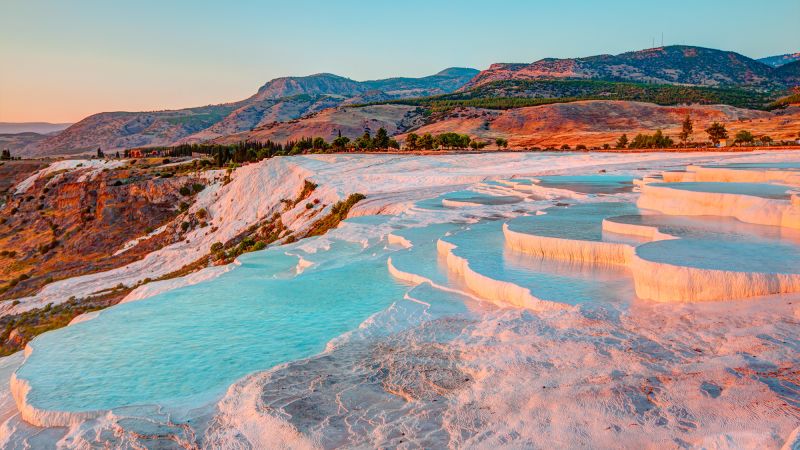
Pamukkale, located in Turkey, is a **UNESCO World Heritage Site** famous for its hot springs and travertine formations. The site has been a popular tourist destination for thousands of years, with its unique landscape and therapeutic waters. Visitors can explore the ancient city of **Hierapolis**, which was built on top of the hot springs, and enjoy the stunning views of the surrounding countryside. [[pamukkale|Pamukkale]] is a must-visit destination for anyone interested in history, nature, and culture. The hot springs of Pamukkale are not only a natural wonder but also have been used for therapeutic purposes for centuries. The waters are rich in minerals and are believed to have healing properties, making it a popular destination for people seeking relaxation and wellness. With its rich history, stunning landscapes, and therapeutic waters, Pamukkale is an ideal destination for travelers looking for a unique and unforgettable experience. [[turkey|Turkey]] is home to many historical and natural wonders, and Pamukkale is one of its most famous attractions. The site is a testament to the country's rich cultural and natural heritage, and it continues to attract visitors from all over the world.
Key Takeaways
- Pamukkale is a UNESCO World Heritage Site and a popular tourist destination
- The site faces challenges related to over-tourism and climate change
- Sustainable tourism practices are essential to preserving the site's natural and cultural heritage
- The therapeutic waters of Pamukkale are believed to have healing properties
- Pamukkale is a symbol of Turkey's rich cultural and natural heritage
Balanced Perspective
Pamukkale is a popular tourist destination, but it also faces challenges related to **over-tourism**. The site is fragile and requires careful management to preserve its natural and cultural heritage. The Turkish government has implemented measures to protect the site, including limiting the number of visitors and implementing sustainable tourism practices. However, more needs to be done to ensure the long-term conservation of Pamukkale. [[sustainable-tourism|Sustainable tourism]] practices are essential to preserving the site's natural and cultural heritage.
Optimistic View
Pamukkale is a **sustainable tourism** destination, with many eco-friendly hotels and resorts in the area. The site is also home to a variety of flora and fauna, making it a great destination for nature lovers. The therapeutic waters of Pamukkale are also believed to have healing properties, making it a popular destination for people seeking wellness and relaxation. With its rich history and natural beauty, Pamukkale is an ideal destination for travelers looking for a unique and unforgettable experience. [[ecotourism|Ecotourism]] is on the rise, and Pamukkale is one of the top destinations for eco-conscious travelers.
Critical View
Pamukkale is facing significant challenges related to **climate change** and **over-tourism**. The site is vulnerable to rising temperatures and changing weather patterns, which could damage the travertine formations and affect the hot springs. Additionally, the large number of visitors is putting pressure on the site's infrastructure and natural resources. If not managed properly, Pamukkale could suffer irreversible damage, losing its unique natural and cultural heritage. [[climate-change|Climate change]] is a major threat to many natural wonders around the world, including Pamukkale.
Source
Originally reported by cnn.com