
Summary
**Hannah S. Chapman**'s research on Russia's presidential appeals system reveals a chilling pattern: citizens **voluntarily submit 1.7 million complaints** between 2017-2023, but **crises trigger dramatic shifts** in engagement. The system, designed to appear responsive, becomes a **window into authoritarian control**. During the 2018 pension reform, appeals rose modestly; during the **2022 Ukraine invasion**, they plummeted. This data challenges the myth of Russian 'openness' and exposes how **repression and immediacy** shape citizen behavior. [[citizen-appeals-system|Citizen appeals system]] [[authoritarian-regimes|Authoritarian regimes]] [[crisis-management|Crisis management]] [[information-control|Information control]] [[democratic-oversight|Democratic oversight]]
Key Takeaways
- Russia's appeals system reveals how citizens navigate repression during crises
- Crisis immediacy and repression levels determine appeal volume
- 1.7 million appeals between 2017-2023 show systemic patterns
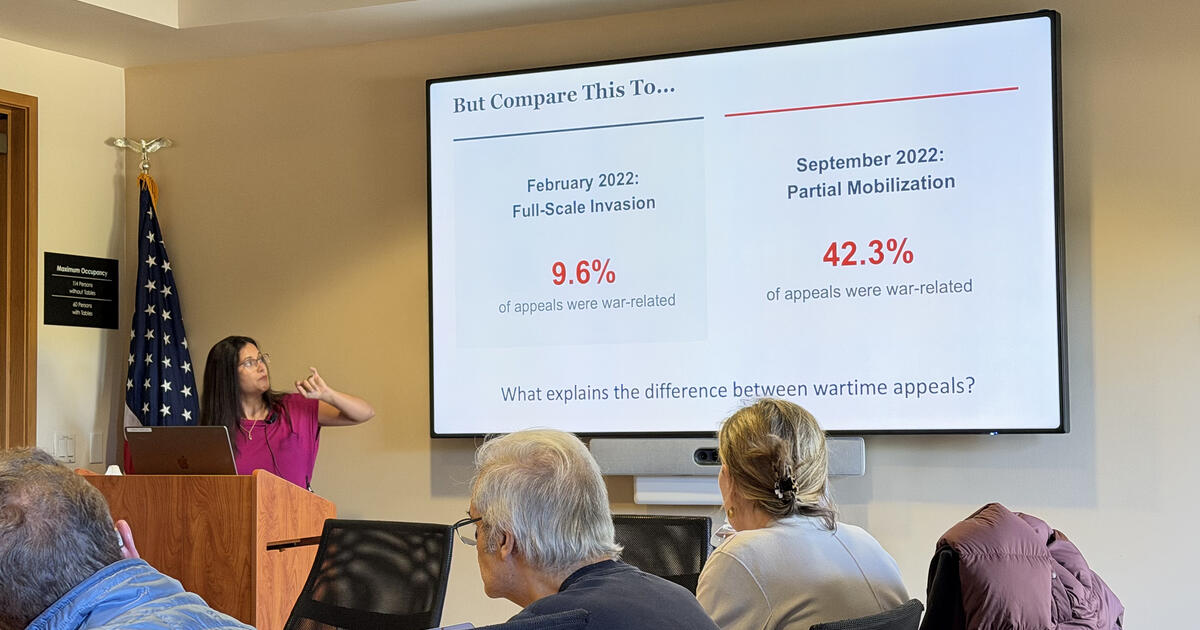
- Appeals dropped 42% during 2022 mobilization
- Data challenges the myth of Russian 'openness'
Balanced Perspective
Chapman's study confirms a **well-documented trend**: authoritarian regimes **monitor dissent** through formal channels. The data shows **clear patterns** — appeals drop during high-repression events like the **2022 Ukraine invasion**. However, the **methodology relies on self-reported data** from a system that **requires identifying information**. [[citizen-appeals-system|Citizen appeals system]] [[authoritarian-regimes|Authoritarian regimes]] [[crisis-management|Crisis management]] [[information-control|Information control]]
Optimistic View
**Hannah Chapman's** analysis offers a rare glimpse into the **psychology of dissent** under authoritarianism. By tracking 1.7 million appeals, it quantifies how citizens navigate repression — a **tool for policy improvement**. The framework of **crisis immediacy** and repression could help authoritarian regimes **balance control with responsiveness**. [[citizen-appeals-system|Citizen appeals system]] [[authoritarian-regimes|Authoritarian regimes]] [[crisis-management|Crisis management]]
Critical View
The research underscores the **danger of normalizing repression**. By framing citizen appeals as 'voluntary', the system **sanctions surveillance**. The **2022 mobilization** data suggests **mass suppression** of dissent, with appeals dropping by 42% in September 2022. This **erodes trust** in state institutions and **normalizes self-censorship**. [[citizen-appeals-system|Citizen appeals system]] [[authoritarian-regimes|Authoritarian regimes]] [[crisis-management|Crisis management]] [[information-control|Information control]]
Source
Originally reported by fsi.stanford.edu