
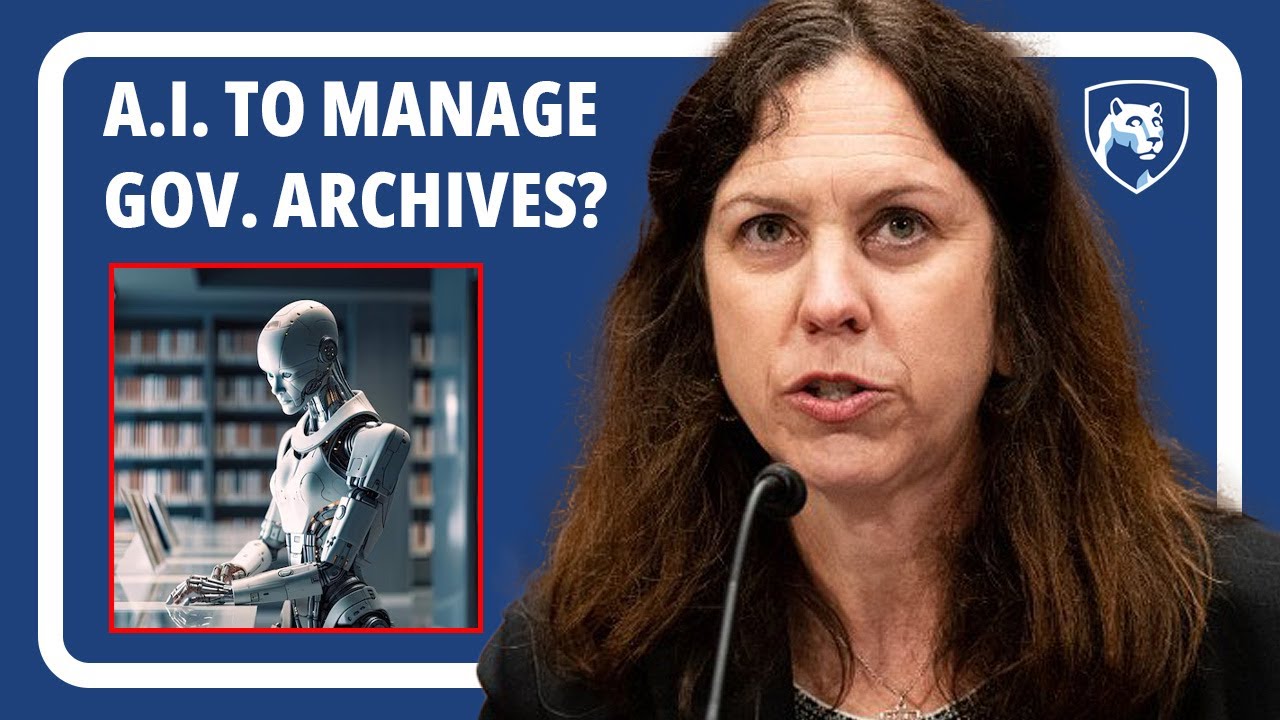
Summary
The article explores the evolving landscape of digital archiving, highlighting key technologies such as cloud-based solutions, blockchain for authenticity, and advanced AI for content management. These innovations offer enhanced scalability, security, and efficiency in preserving digital data for future generations.
Key Takeaways
- Cloud storage offers scalable and accessible solutions for digital archiving.
- Blockchain enhances authenticity and trust in archived records.
- AI improves content management and preservation efficiency.
- Implementation requires significant investment and infrastructure.
- Ethical and privacy concerns must be addressed in tech adoption.
Balanced Perspective
The integration of cloud, blockchain, and AI presents significant opportunities for digital archiving, offering cost-effective and efficient solutions. However, successful implementation hinges on factors like infrastructure availability and technical expertise. While these technologies show promise, their widespread adoption requires careful consideration of practical and logistical challenges.
Optimistic View
Cloud storage provides unparalleled scalability and accessibility, ensuring data is preserved and easily retrievable. Blockchain technology bolsters trust by guaranteeing the authenticity and integrity of archived records. AI-driven content management systems enhance organization and preservation, enabling better cultural and historical access. These technologies collectively promise a robust future for digital archiving, safeguarding our digital heritage effectively.
Critical View
Adopting new technologies comes with high costs and potential security risks, especially with blockchain's vulnerabilities. AI may struggle with complex or ambiguous data, leading to inaccuracies. Over-reliance on technology could result in job losses and dependency issues, underscoring the need for a balanced approach that considers both benefits and drawbacks.
Source
Originally reported by archivedigital.com