
Summary
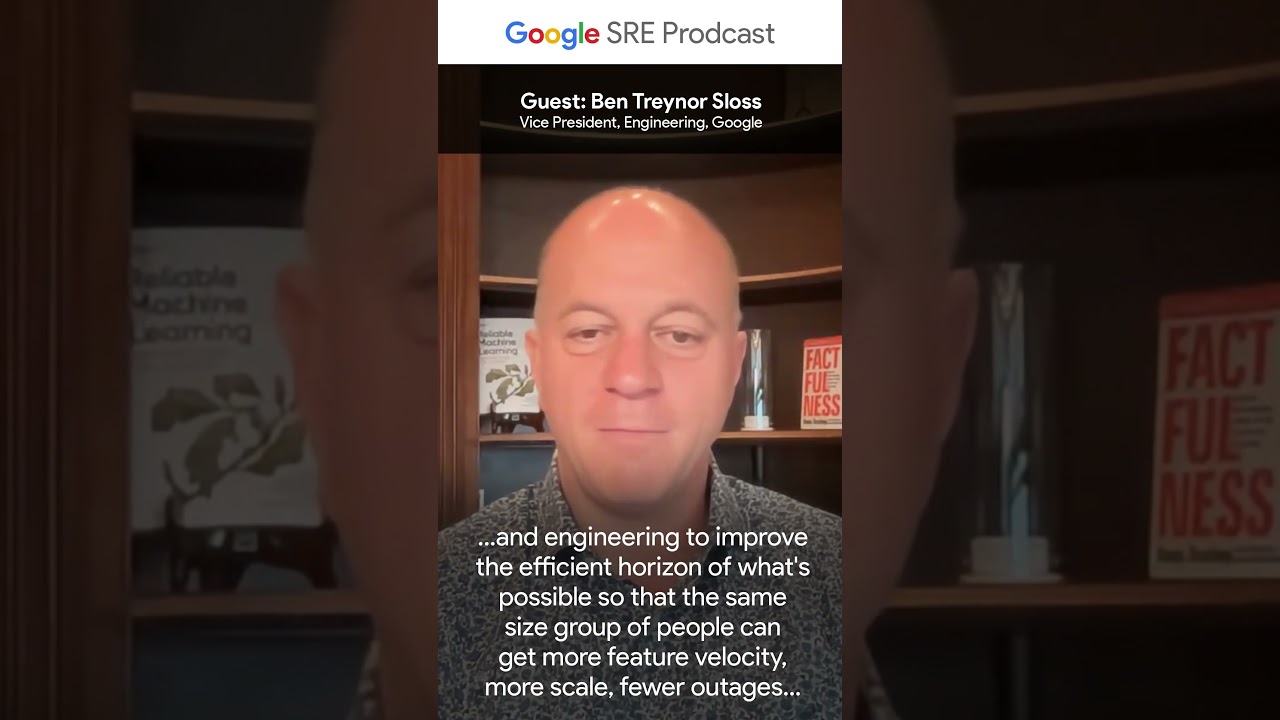
Site Reliability Engineering (SRE) is transitioning from purely technical operations to business-aligned strategies. This shift emphasizes customer experience and business outcomes over traditional infrastructure metrics. The change reflects broader industry trends toward integrating technical and business objectives. Forbes reports this evolution is gaining traction among tech leaders.
Key Takeaways
- SRE is evolving from infrastructure-focused roles to business strategy contributors
- Customer experience metrics are becoming central to SRE success criteria
- This shift requires new skill sets blending technical and business acumen
- Early adopters may gain competitive advantages in digital transformation
- The approach faces challenges in quantifying abstract business outcomes
Balanced Perspective
The article describes a measurable trend in SRE practices, with companies redefining success metrics. While the shift is documented, its long-term effectiveness remains to be proven. The transition requires cultural changes and new skill sets, which may not be uniformly adopted across organizations.
Optimistic View
This transformation could revolutionize how tech teams contribute to business success. By aligning SRE with business goals, companies might achieve better resource allocation, faster innovation cycles, and more customer-centric solutions. The focus on experience could drive competitive advantage in digital markets.
Critical View
Overemphasizing business outcomes risks deprioritizing technical excellence. Measuring abstract concepts like 'customer value' is inherently subjective and prone to gaming. This shift might create misaligned incentives between engineering teams and business leadership, potentially compromising system reliability.
Source
Originally reported by forbes.com