
Summary
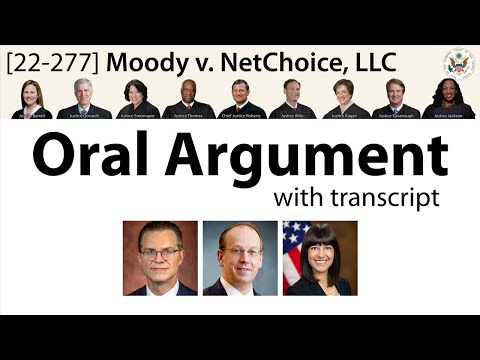
The Supreme Court has vacated lower court injunctions that had blocked laws in Florida and Texas aimed at restricting social media companies' ability to moderate content based on viewpoint. This procedural decision means the cases are sent back to lower courts for further review, rather than the Supreme Court issuing a definitive ruling on the constitutionality of the state laws themselves. The move prolongs the legal battle over content moderation and the power of social media platforms.
Key Takeaways
- The Supreme Court vacated lower court rulings on social media moderation laws in Florida and Texas.
- This decision is procedural, sending the cases back for further legal proceedings rather than a final ruling.
- The state laws aim to prevent social media companies from moderating content based on viewpoint.
- The future of content moderation policies and state regulatory power over tech platforms remains uncertain.
- The ruling avoids a definitive statement on the constitutionality of state-level content moderation mandates.
Balanced Perspective
The Supreme Court's action is primarily procedural, vacating the injunctions without ruling on the merits of the Florida and Texas laws. This means the legal questions surrounding social media content moderation remain unanswered and will continue to be litigated in lower courts. The decision reflects the complexity and novelty of regulating online platforms, highlighting the judiciary's reluctance to issue broad rulings without a more developed factual and legal record. It simply resets the stage for ongoing legal battles.
Optimistic View
This decision could be seen as a win for free speech advocates, as it removes immediate barriers to state laws designed to prevent platforms from deplatforming or censoring users based on their political or social views. By sending the cases back, the Supreme Court is allowing for more thorough legal development and potentially empowering states to protect their citizens from perceived bias by tech giants. It signals a cautious approach, avoiding a sweeping ruling that could prematurely stifle legislative efforts to regulate online speech.
Critical View
This ruling creates significant uncertainty for social media companies, potentially forcing them to navigate a confusing patchwork of state-level content moderation laws that could conflict with each other or with their own terms of service. It could lead to a 'race to the bottom' where platforms are compelled to host harmful misinformation, hate speech, or extremist content to avoid legal challenges in certain states. The lack of a clear federal standard or Supreme Court guidance leaves platforms vulnerable and could undermine their ability to maintain safe and civil online environments.
Source
Originally reported by nbcnews.com