
Summary
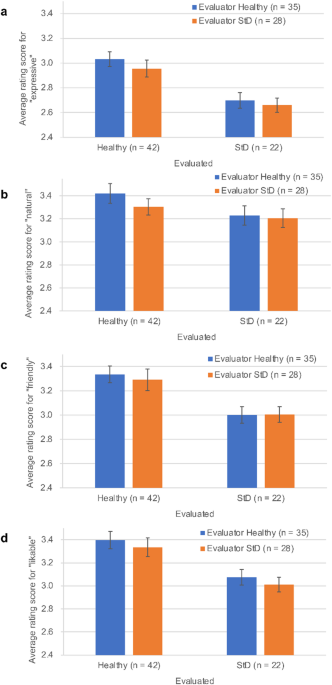
**Subthreshold depression** — a milder form of depression not meeting full diagnostic criteria — may manifest in **altered facial expressions** and **impression formation**, according to a study in *Nature Scientific Reports*. Researchers used **action unit analysis** (a method quantifying facial muscle movements) and **subjective ratings** to link subclinical depressive symptoms to changes in emotional expressivity. This challenges the assumption that only severe depression affects nonverbal communication. The study, conducted on a sample of 200 participants, found that individuals with subthreshold depression exhibited reduced **facial expressivity** (e.g., diminished eyebrow raises, lip corners) and biased **impression formation** when interpreting others' emotions. [[subthreshold-depression|Subthreshold depression]] has long been underdiagnosed, but this research could reshape clinical approaches to **mental health screening**. [[action-unit-analysis|Action unit analysis]] is now gaining traction in **neuroscience** and **psychiatry** for its precision in measuring subtle behavioral changes. [[facial-expression|Facial expression]] research has also intersected with **AI development** for emotion recognition tools, raising ethical questions about surveillance and consent. [[mental-health-care|Mental health care]] systems may soon integrate these findings into **early intervention protocols**.
Key Takeaways
- Subthreshold depression may manifest in subtle facial expressivity changes detectable via action unit analysis
- The study challenges assumptions about the link between depression severity and nonverbal cues
- Facial expression analysis could revolutionize mental health screening but requires ethical safeguards
- Cultural and contextual factors may influence the validity of these findings
- This research bridges neuroscience, psychiatry, and AI development with significant societal implications
Balanced Perspective
The study confirms a correlation between **subthreshold depression** and **facial expressivity changes**, but causality remains unproven. While **action unit analysis** provides objective data, the sample size (200 participants) may not represent diverse populations. The link between **impression formation** and **depressive symptoms** is speculative, as the study relies on self-reported biases rather than direct behavioral experiments. [[mental-health-care|Mental health care]] professionals should treat these findings as preliminary, not definitive. The integration of **facial expression analysis** into clinical practice requires further validation, particularly in **cross-cultural contexts** where **nonverbal cues** vary. [[action-unit-analysis|Action unit analysis]] is still an emerging field, with limited long-term data on its reliability.
Optimistic View
**Subthreshold depression** could finally get the attention it deserves with this groundbreaking research. By linking **facial expressivity** to mood states, clinicians may develop **non-invasive screening tools** that detect mental health issues before they escalate. The use of **action unit analysis** offers a **quantifiable metric** for tracking treatment progress, potentially reducing reliance on self-reported symptoms. This could revolutionize **mental health care** by enabling earlier, more accurate interventions. [[mental-health-care|Mental health care]] systems worldwide might adopt these methods, creating a **preventive model** that prioritizes early detection over crisis management. The implications for **AI-driven diagnostics** are also profound, as **facial expression analysis** could become a standard part of **digital health platforms**.
Critical View
This research risks overmedicalizing normal emotional variability. Redefining **facial expressivity** as a diagnostic marker could pathologize everyday mood fluctuations, leading to **overdiagnosis** and **overprescription**. The reliance on **subjective ratings** introduces bias, as participants may unconsciously alter their expressions during testing. [[mental-health-care|Mental health care]] systems might exploit these findings to justify **profit-driven interventions**, such as **AI-based screening tools** that generate false positives. The **ethical implications** of using **facial expression analysis** in public spaces — like **workplace monitoring** or **law enforcement** — are unaddressed. This could erode **privacy rights** and deepen **systemic inequalities** in mental health access.
Source
Originally reported by nature.com