
Summary
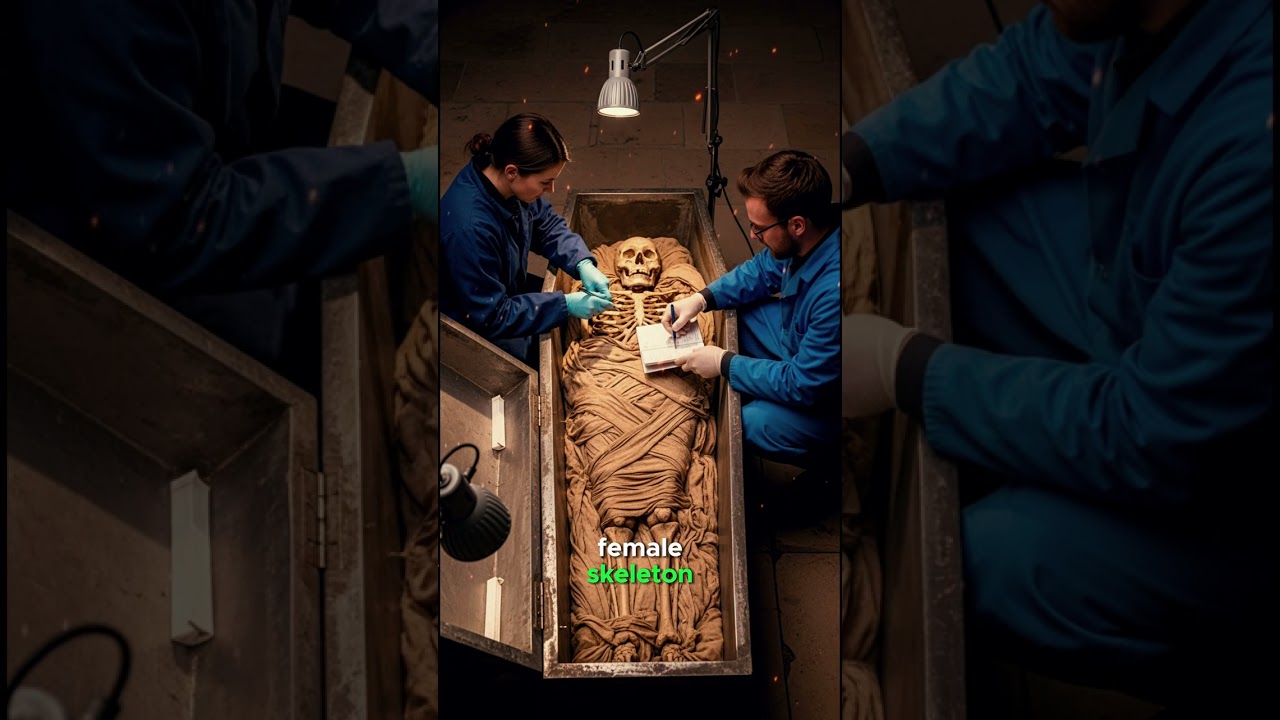
The skeleton found in **Magdeburg Cathedral** has been identified as **Otto I**, also known as **Otto the Great**, with a high degree of certainty. The analysis of the remains, which included **DNA testing** and **anthropological examination**, revealed that the skeleton belonged to a wealthy, well-fed man who died around the age of 60 and had a history of horseback riding. The discovery was made possible by the need for repair and restoration of the **sarcophagus** and the simple wooden coffin inside. **Otto I** was a significant figure in European history, known for his role in unifying the German tribes and kingdoms, and his legacy continues to be celebrated in **Magdeburg** with the annual **King Otto the Great Prize**. The confirmation of the remains has shed new light on the life and death of **Otto I**, and has provided a unique opportunity for historians and archaeologists to learn more about this important period in European history. The discovery has also highlighted the importance of **archaeological preservation** and the need for continued research and analysis of historical artifacts. For more information on **Otto I** and his legacy, see [[otto-i|Otto I]] and [[holy-roman-empire|Holy Roman Empire]].
Key Takeaways
- The skeleton found in Magdeburg Cathedral has been identified as Otto I
- The analysis of the remains included DNA testing and anthropological examination
- Otto I was a significant figure in European history, known for his role in unifying the German tribes and kingdoms
- The discovery has provided a unique insight into the life and death of Otto I
- The confirmation of the remains has shed new light on the role of Otto I in shaping European history
Balanced Perspective
The discovery of the remains in **Magdeburg Cathedral** has been confirmed as **Otto I** through a range of techniques, including **DNA analysis** and **anthropological examination**. The analysis revealed that the skeleton belonged to a wealthy, well-fed man who died around the age of 60 and had a history of horseback riding. The discovery has provided a unique insight into the life and death of **Otto I**, and has highlighted the importance of **archaeological preservation**. However, the discovery also raises questions about the historical record and the accuracy of previous accounts of **Otto I**'s life and death. For more information on the discovery and its significance, see [[archaeology|Archaeology]] and [[historical-preservation|Historical Preservation]].
Optimistic View
The confirmation of the remains as **Otto I** is a significant breakthrough in the field of **archaeology**, and has provided a unique opportunity for historians and archaeologists to learn more about this important period in European history. The discovery has shed new light on the life and death of **Otto I**, and has highlighted the importance of **archaeological preservation**. The annual **King Otto the Great Prize** in **Magdeburg** is a testament to the enduring legacy of **Otto I**, and the discovery of his remains has provided a new perspective on his role in shaping European history. For more information on **Otto I** and his legacy, see [[otto-i|Otto I]] and [[holy-roman-empire|Holy Roman Empire]].
Critical View
The confirmation of the remains as **Otto I** has been met with some skepticism, with some experts questioning the accuracy of the analysis and the reliability of the techniques used. The discovery has also raised concerns about the handling and preservation of historical artifacts, and the potential for contamination or damage to the remains. Furthermore, the discovery has highlighted the limitations of **archaeological preservation** and the need for continued research and analysis of historical artifacts. For more information on the challenges and limitations of **archaeology**, see [[archaeology|Archaeology]] and [[historical-preservation|Historical Preservation]].
Source
Originally reported by dw.com